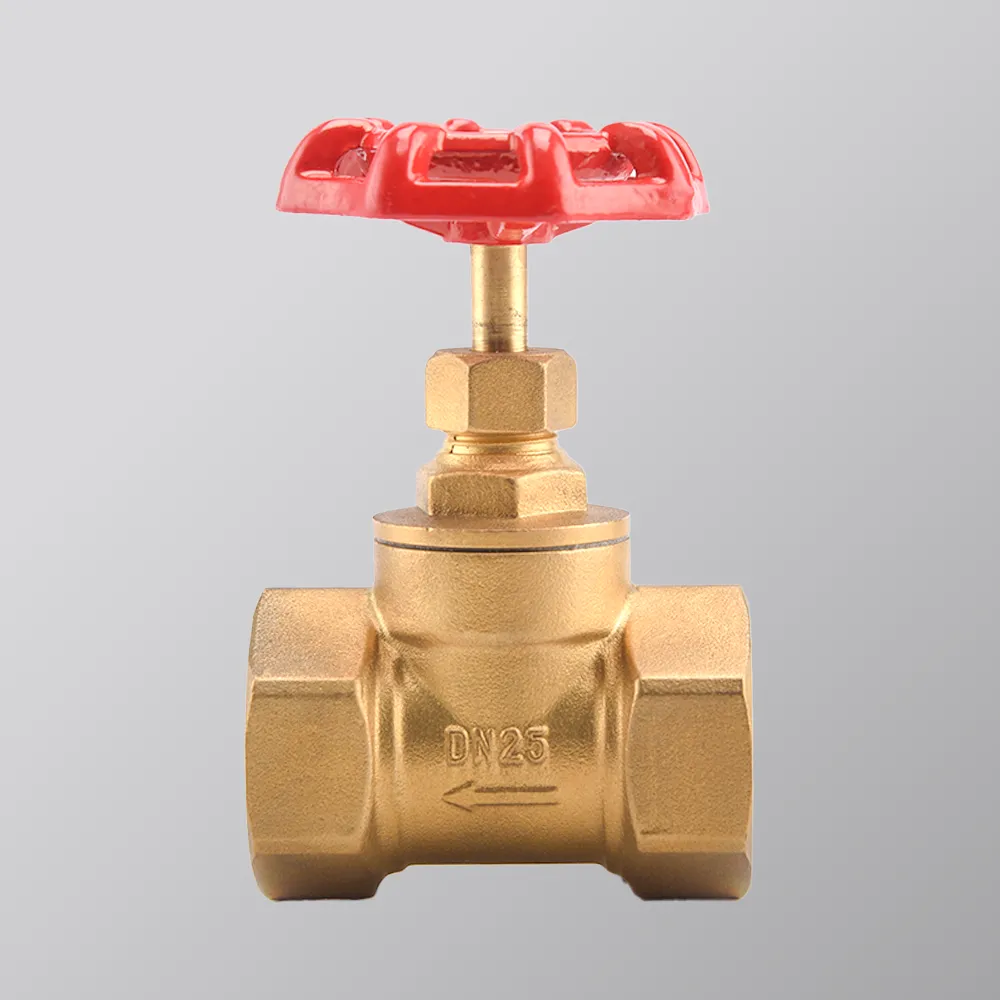
Metallurgical Advantages of Forging: Grain Structure and Density Grain Flow Alignment Enhances Directional Strength in Brass Forged Ball Valve Unlike casting—which solidifies molten metal with random, isotropic grain orientation—forging...
VIEW MORE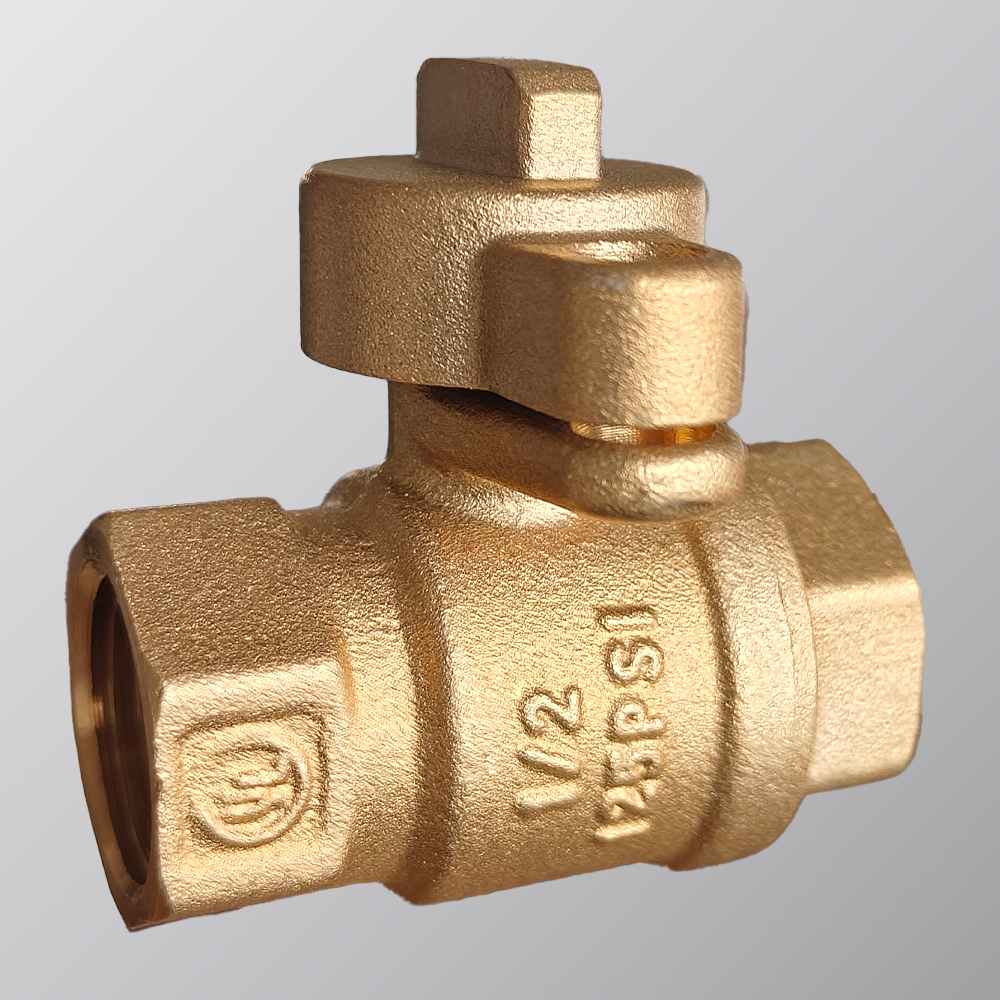
Ensuring Safety and Regulatory Compliance with Lockable Brass Ball ValvesOSHA Lockout-Tagout (LOTO) Requirements in Maintenance and High-Risk IsolationLockable brass ball valves are essential for complying with OSHA’s Lockout-Tagout (LOTO) standard (...
VIEW MORE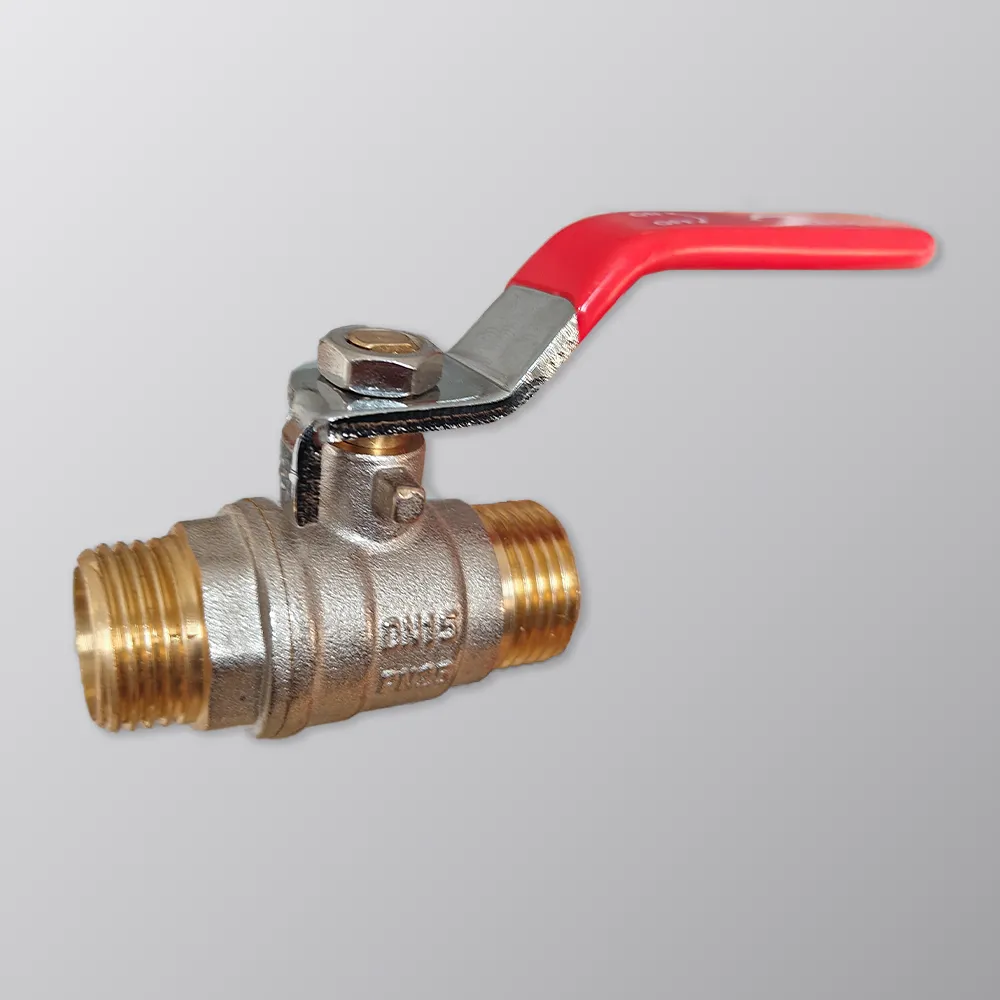
Match Pipe Size and Flow Requirements for the 2 Inch Brass Ball Valve Understanding NPS vs. DN and Full-Port vs. Reduced-Port Configurations Two common sizing standards govern water pipeline components: NPS (Nominal Pipe Size), the North American i...
VIEW MORE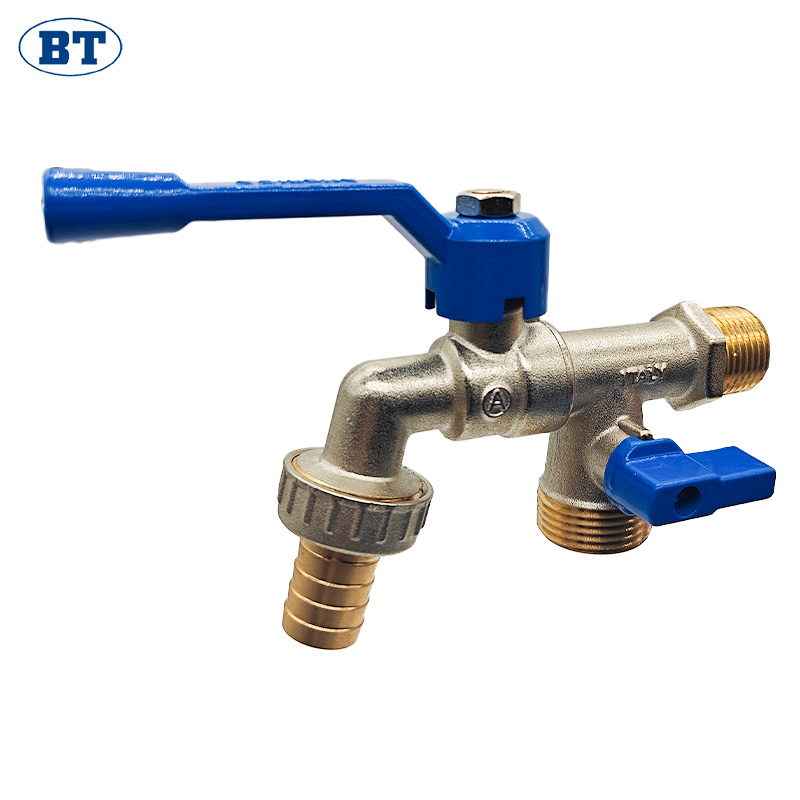
Why Brass Tap Is the Structural Backbone of Efficient Plumbing Systems Superior Seal Integrity and Leak Prevention in High-Use Environments Brass taps deliver exceptional leak resistance through precision-machined threads and compression seals that...
VIEW MORE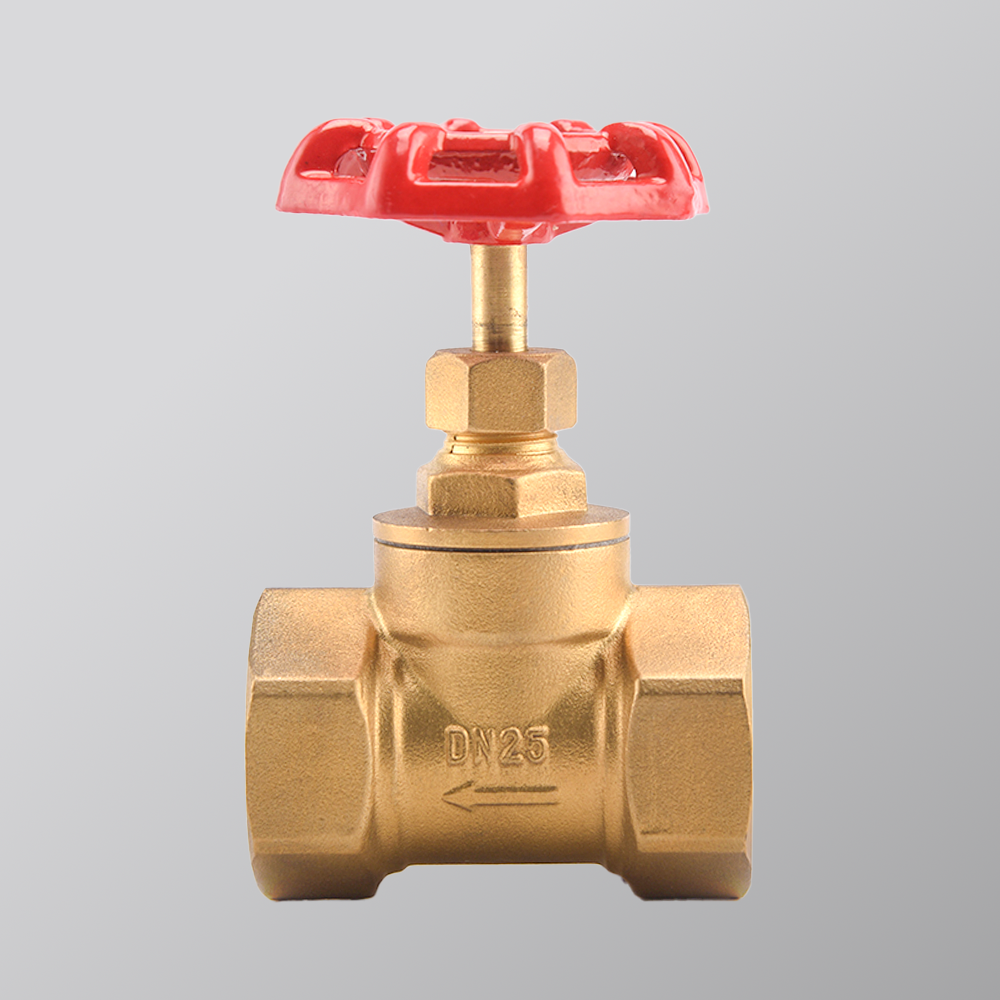
Exceptional Durability and Corrosion Resistance Why brass outperforms iron, steel, and plastic in corrosive water environments Brass valves excel in aggressive water systems due to their inherent corrosion resistance—outperforming iron, steel...
VIEW MORE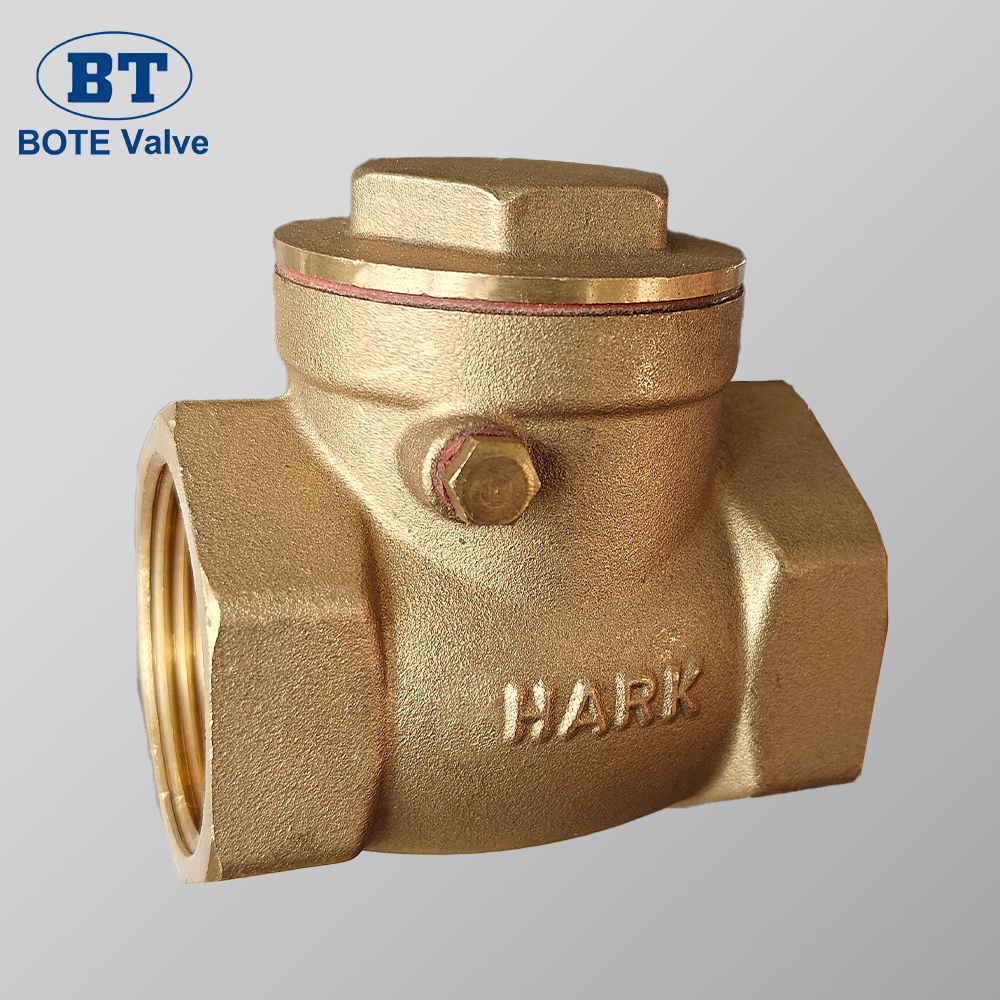
How a Check Valve Prevents Backflow and Maintains Flow Integrity Core Operating Principle: Cracking Pressure, Unidirectional Flow, and Automatic Closure Mechanics A check valve acts as an autonomous flow gatekeeper in piping systems. It opens only ...
VIEW MORE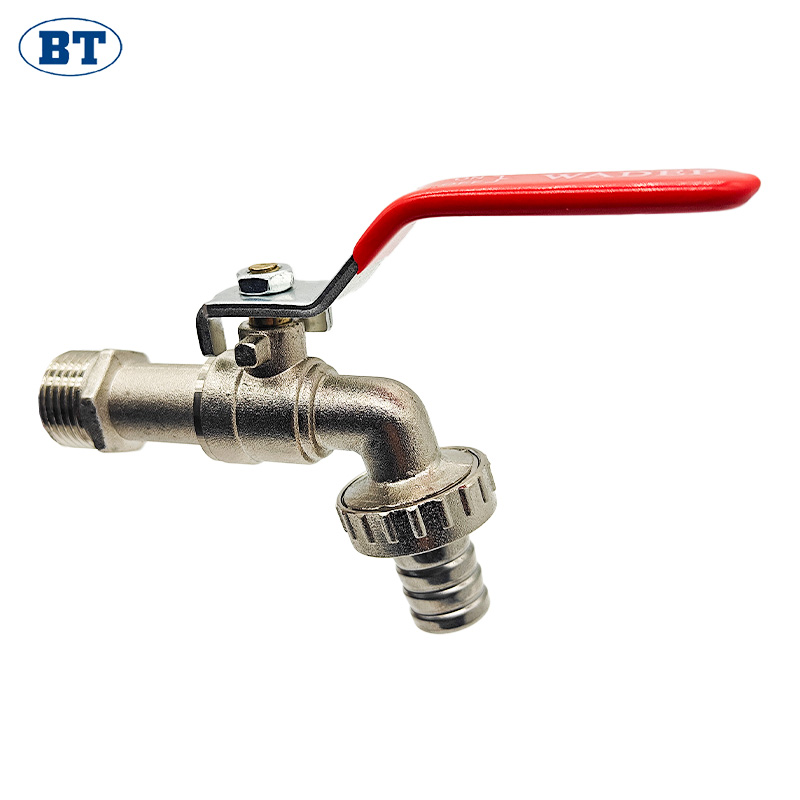
Freeze Protection and Climate-Specific Performance How Frost-Free Sillcocks Prevent Pipe Bursting in Subfreezing Temperatures Frost-free sillcocks prevent pipe bursts through intelligent design: when closed, the shut-off valve resides inside the ho...
VIEW MORE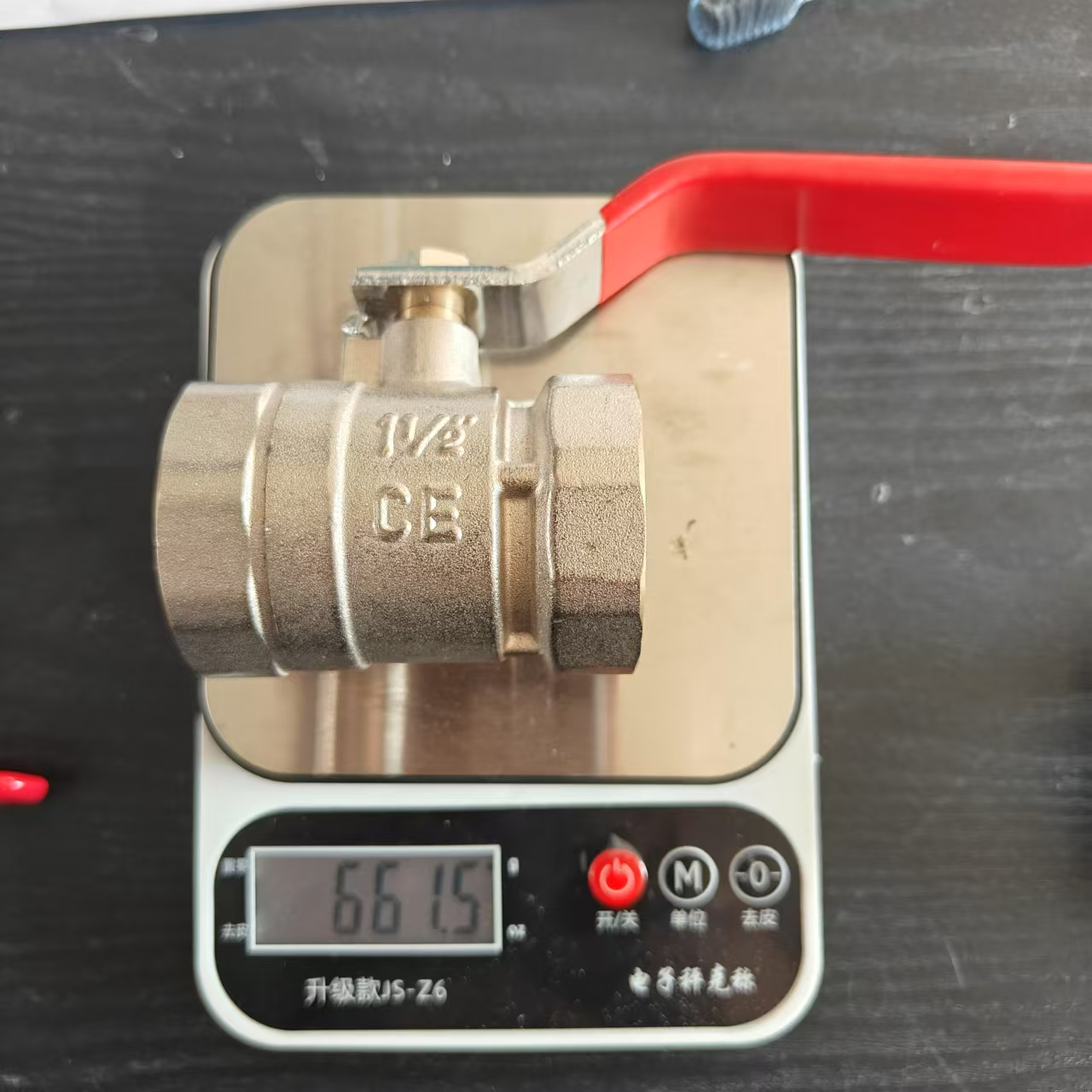
Assess Core Supplier Capabilities Against Your Application Needs Why Price and Lead Time Alone Mislead Brass Ball Valve Procurement Focusing solely on cost and delivery speed for brass ball valve procurement often leads to costly oversights, as sup...
VIEW MORE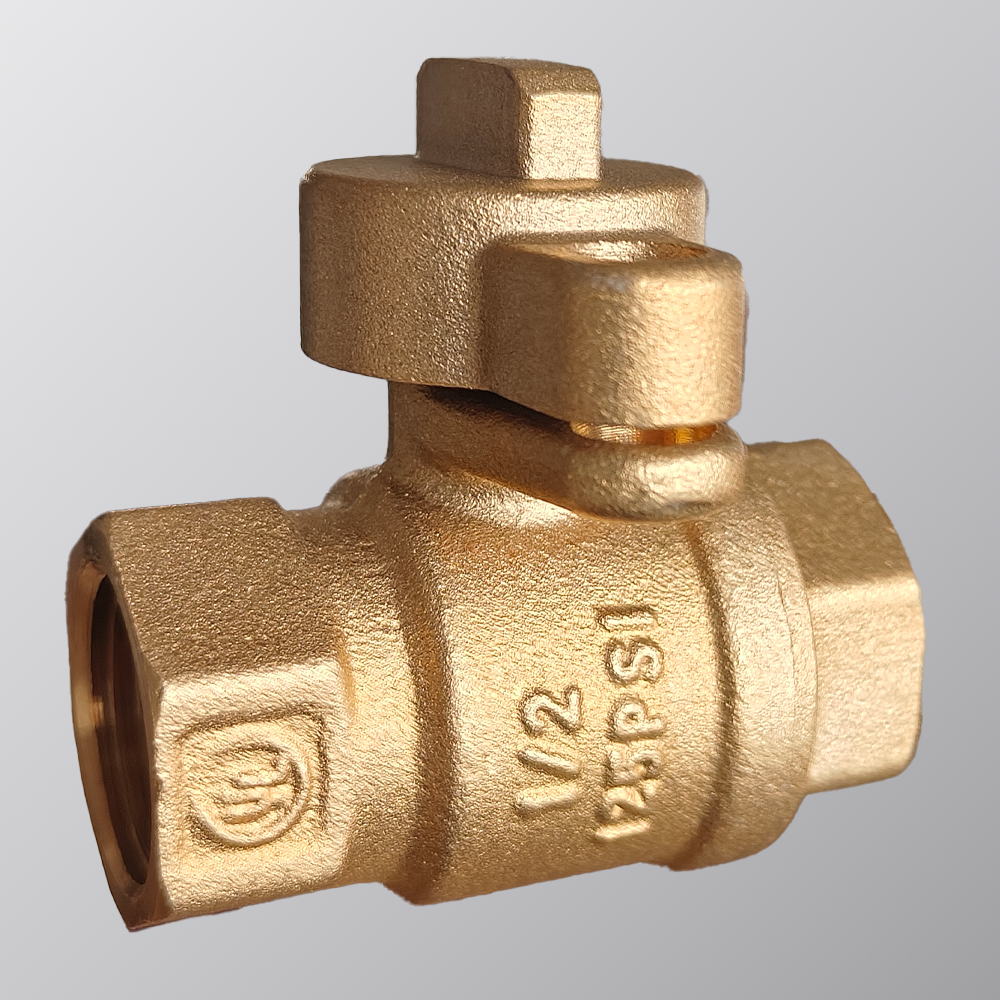
Superior Corrosion Resistance for Decades of Reliable Service How Brass Outperforms Copper, PVC, and Galvanized Steel in Humid, Chlorinated, and Variable-pH Environments Brass pipe fittings stand out when it comes to resisting corrosion in tough en...
VIEW MORE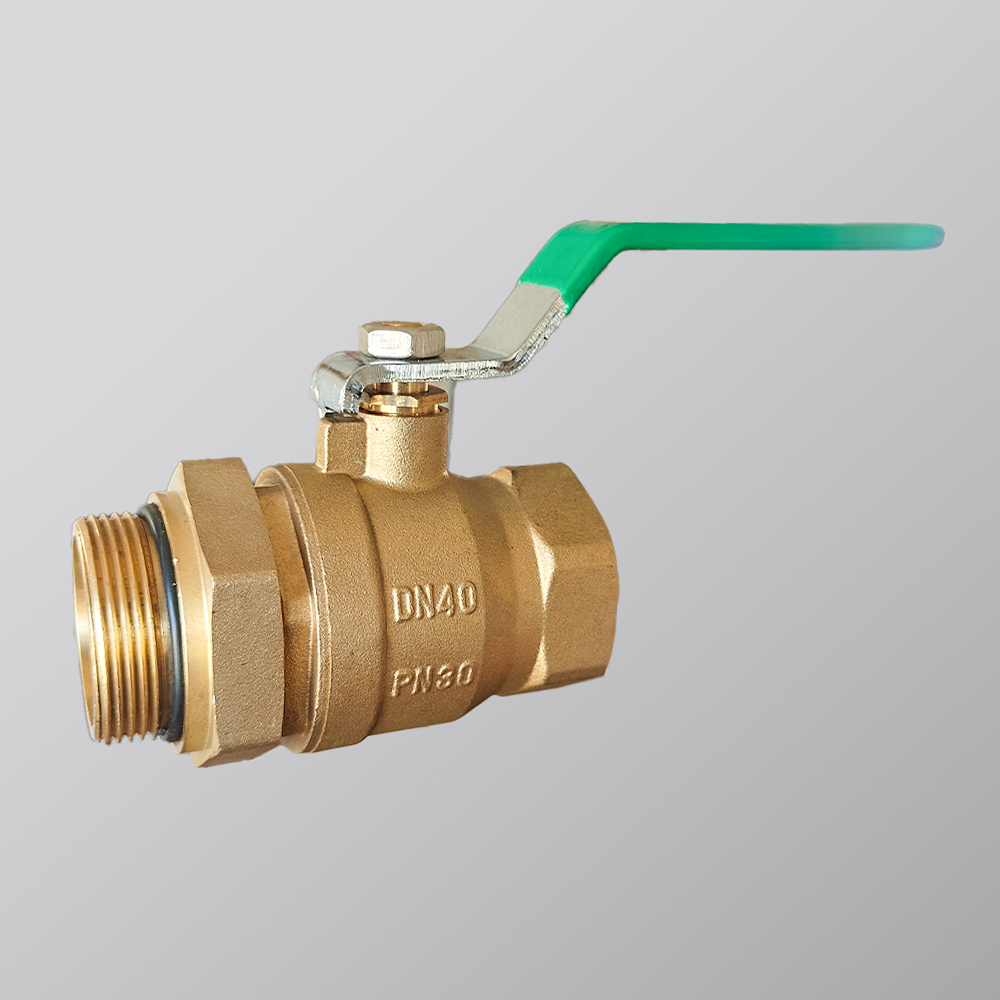
Certification & Compliance with Global Valve Standards Why API 6D and ASME B16.34 Are Critical for Safety-Critical Valve Applications The API 6D and ASME B16.34 standards serve as critical guidelines for valves used throughout the oil, gas, and che...
VIEW MORE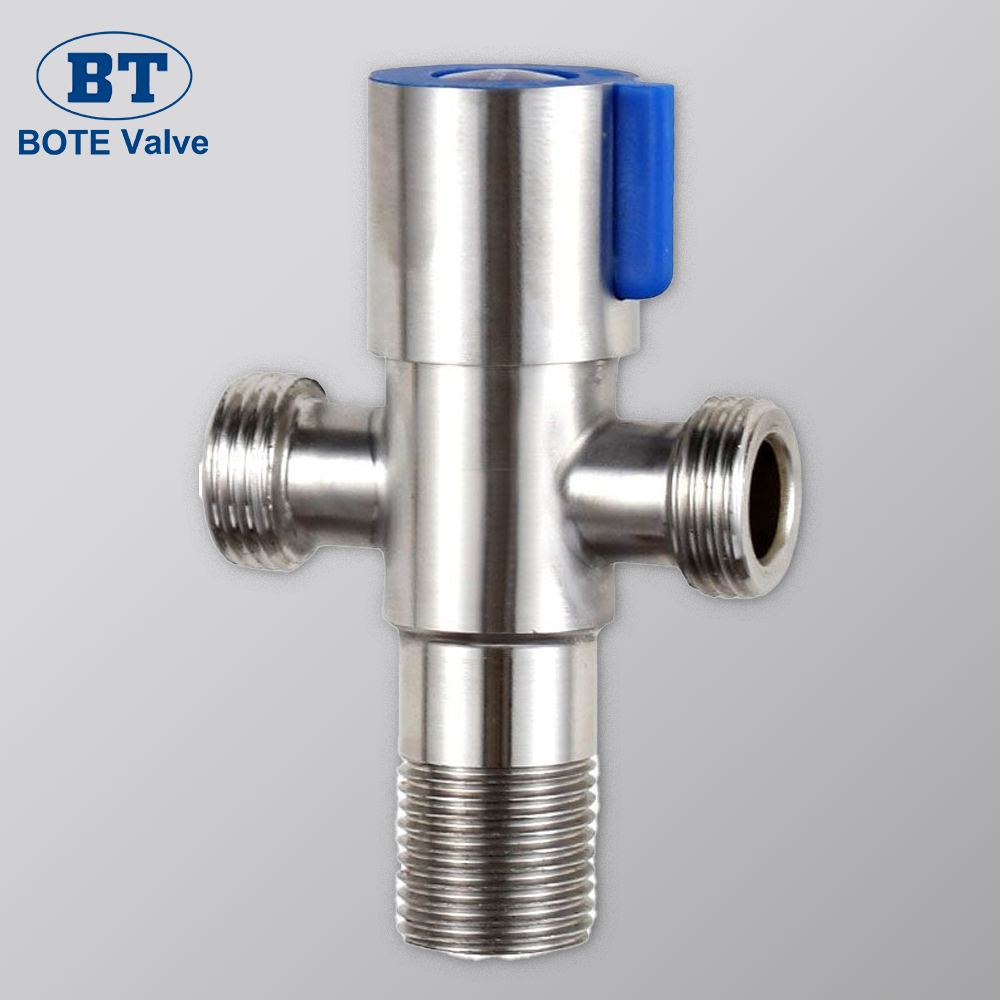
Core Function: Directional Flow Control and Spatial Efficiency How the 90-degree angle valve design enables precise water direction and compact installation Angle valves work so well for controlling water direction because of that classic 90 degree...
VIEW MORE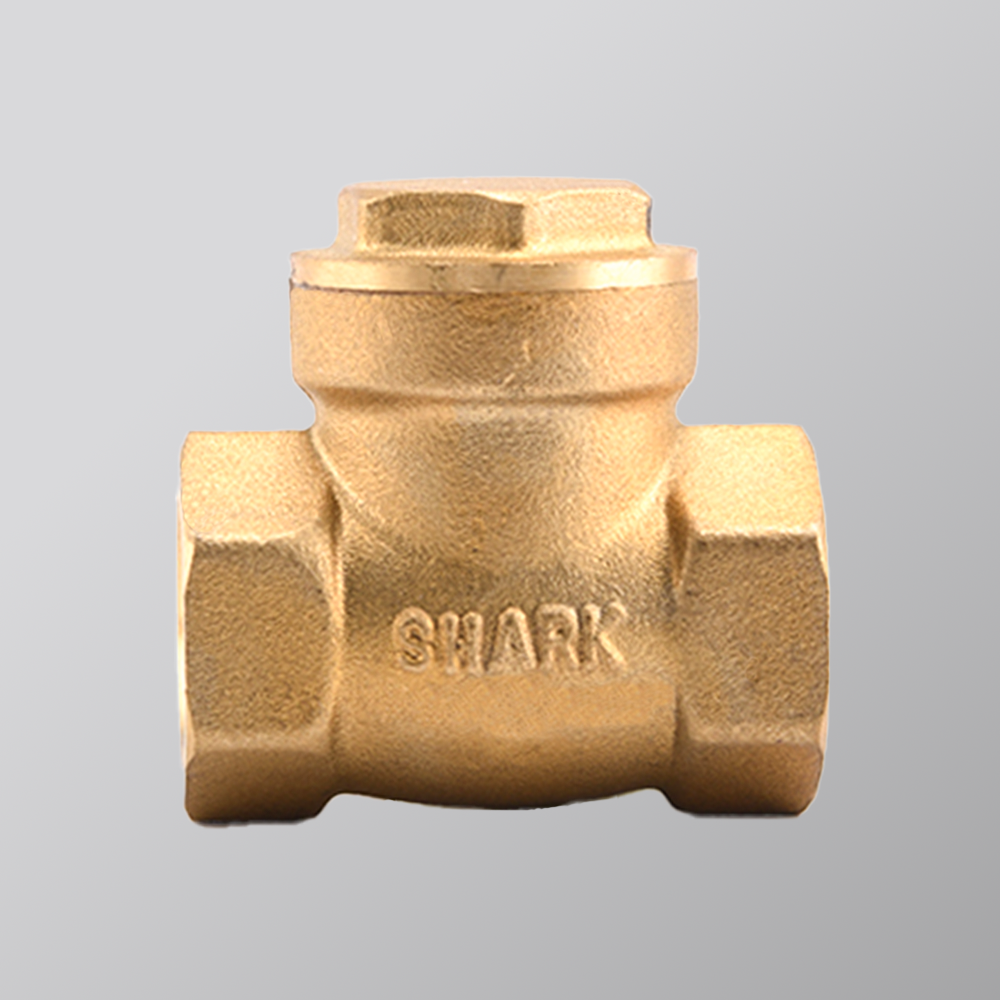
Prevents Backflow and Ensures System Integrity How Check Valve Enforces Unidirectional Flow by Design Check valves stop backward flow thanks to their simple mechanical setup. When fluid moves forward, pressure pushes open the valve disc. If the flo...
VIEW MORE
YUHUAN BOTE VALVES CO., LTD. provides high-quality industrial valves for oil, gas, and water systems. Durable, corrosion-resistant designs ensure reliable performance. Trusted by global engineers. Request a quote today.
YUHUAN BOTE VALVES CO., LTD. TAISHAN INDUSTRIAL ESTATE, QINGGANG TOWN , YUHUAN COUNTY ,ZHEJIANG ,CHINA
Copyright © 2025 by YUHUAN BOTE VALVES CO., LTD. Privacy Policy
 EN
EN