 EN
EN

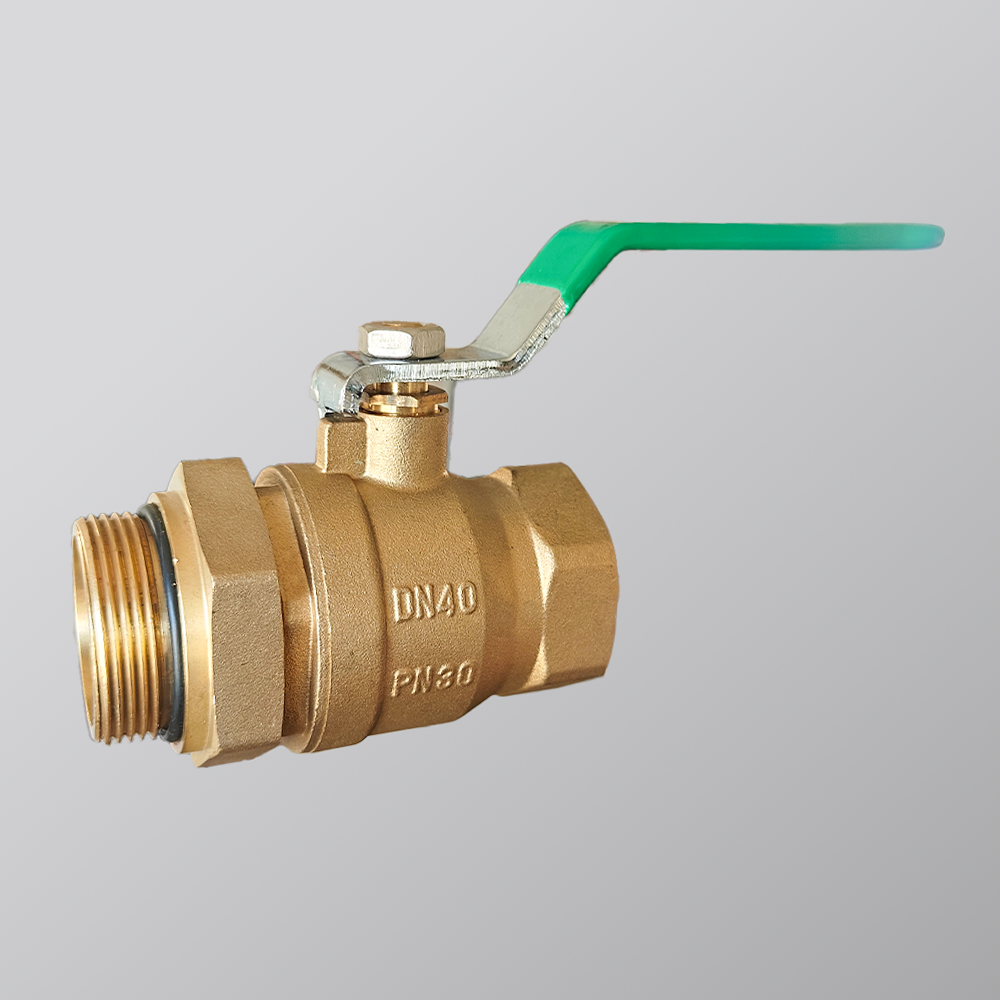
Certification & Compliance with Global Valve Standards
Why API 6D and ASME B16.34 Are Critical for Safety-Critical Valve Applications
The API 6D and ASME B16.34 standards serve as critical guidelines for valves used throughout the oil, gas, and chemical processing sectors. These industries face serious consequences when valves fail, ranging from environmental damage to costly production halts and even dangerous situations for workers. API 6D specifically addresses pipeline valves, requiring them to maintain pressure under extreme conditions, resist fire damage, and operate reliably through complete stroke cycles. Meanwhile, ASME B16.34 establishes key requirements including how valves handle different temperature pressures, what minimum thickness walls must be, and which materials qualify for use. This helps ensure valves won't crack or leak during normal operations or unexpected events. Many top valve manufacturers don't just see these specs as regulatory hurdles to clear off their lists. Instead, they view proper certification as essential proof of quality engineering work that keeps systems running safely for years down the road.
ISO 5208 Leak-Tightness Certification: What It Means for Operational Reliability
The ISO 5208 standard provides a consistent way to measure how much fluid leaks past valve seats when testing with air, water, or inert gases at specific pressures and temperatures. The standard has seven different classes from A to G, each representing stricter leakage requirements. Most industries settle on Class D as their benchmark since it allows no more than 0.1 mL per minute for metal seated valves. Getting to this level matters a lot for things like power plants, water treatment facilities, and drug manufacturing operations. Even tiny leaks there can mess up product quality, wear out parts faster, or get companies in trouble with regulations such as EPA Method 21 for fugitive emissions. That's why checking valves against ISO 5208 standards isn't just something done once during installation but needs ongoing attention throughout the equipment's life.
Rigorous Quality Assurance Through Validated Testing Protocols
Manufacturers of valves implement several stages of testing throughout production—not just random spot checks, but rather a series of connected tests—that ensure proper function before installation. The strict testing process helps prevent failures in places where things can go really wrong, such as oil refineries or chemical processing facilities. According to some industry reports from Ponemon Institute back in 2023, when something does fail because of a faulty valve, companies typically end up paying over seven hundred forty thousand dollars per incident. That kind of money makes good testing look like a small price to pay for peace of mind.
Essential NDT Methods (RT, UT, PT, MT) for Structural Integrity Verification
Non destructive testing or NDT gives us reliable data about how structurally sound something is without changing the shape or function of valves. There are several different approaches to this kind of testing. Radiographic testing looks inside thick walls to find things like pores or foreign material. Then we have ultrasonic testing that checks wall thicknesses and spots those flat layer defects. For surface issues, liquid penetrant testing works great on non magnetic metals like certain types of stainless steel to find cracks that break through surfaces. And magnetic particle testing finds problems just beneath the surface in materials that can be magnetized, think carbon steel or some alloy steels. All these techniques together meet what the ASME Boiler and Pressure Vessel Code asks for when it comes to measuring defects. The code actually sets limits on how big flaws can be before they become unsafe, usually around 1.5 millimeters or smaller for valves handling high pressure situations.
API 598 Pressure Testing: Interpreting Shell, Seat, and Backseat Results
API 598 prescribes a three-phase pressure test sequence that validates distinct functional boundaries:
- Shell testing confirms body and bonnet integrity at 1.5ÃÅ' maximum allowable working pressure (MAWP), permitting zero visible leakage.
- Seat testing evaluates sealing performance at 1.1ÃÅ' MAWP (for gate/globe valves) or operating pressure (for ball/ butterfly), with strict pass/fail thresholdsâe.g., â±·18 bubbles per minute for soft-seated valves.
- Backseat testing, performed with the valve fully open, verifies stem seal integrity during maintenance isolation.
Results must be documented with calibrated pressure decay curves and temperature-compensated readings to support traceability and certification audits.

Material Selection Expertise for Demanding Service Environments
Matching ASTM, UNS, and Nickel-Alloy Grades to Pressure, Temperature, and Corrosion Profiles
Choosing materials for critical valves isn't something to do on a whim or through guesswork. When dealing with high pressure hydrocarbons at over 350 bar, engineers turn to ASTM A182 F91 martensitic steel because it stands up well under stress with a yield strength exceeding 415 MPa and maintains integrity even when exposed to heat beyond 500 degrees Celsius. For cryogenic applications like liquefied natural gas storage at minus 162 degrees Celsius, the industry typically specifies UNS S31600 or S30400 austenitic stainless steels. These materials have been tested extensively for their ability to retain ductility and resist fractures in those extremely cold conditions. Sour gas environments present another challenge altogether. Here, nickel based alloys such as UNS N06625 provide significantly better protection against chloride stress corrosion cracking compared to regular 316 stainless steel. Tests according to standards like ASTM G36 and NACE MR0175/ISO 15156 show this material can withstand these corrosive conditions about fifteen times longer than conventional alternatives.
Engineers align material choices using three interdependent frameworks:
- Pressure: ASTM specifications define minimum tensile and yield strength requirements.
- Temperature: UNS classifications provide thermal expansion, conductivity, and embrittlement transition data.
- Corrosion: PREN (Pitting Resistance Equivalent Number) values guide alloy selectionâe.g., PREN >40 is essential for seawater-exposed components.
| Service Challenge | Material Solution | Performance Metric |
|---|---|---|
| Sulfuric acid exposure | UNS N10276 alloy | <0.1 mm/year corrosion rate |
| 650°C steam service | ASTM A217 WC9 | Creep resistance >100,000 h |
| Hydrogen embrittlement | UNS K03014 low-alloy steel | Threshold stress >620 MPa |
Traceable mill test reports for every material batchâlinked to heat numbers and chemical analysesâare mandatory. This practice ensures full alignment with ASME B31.3 process piping standards and prevents costly unplanned shutdowns, which industry studies estimate cost refining operations over $740,000 per day (Ponemon Institute, 2023).
Proven Manufacturing Traceability and After-Sales Support
For valves where safety matters most, complete manufacturing traceability isn't something nice to have but absolutely essential. We need records for everything starting with the raw materials batch numbers, through forging documentation, all the way to non-destructive testing results and those final pressure tests. Each piece of information needs to be trackable back to when it was created. Modern digital systems like QR code labels on valves and secure blockchain records help manufacturers see what's happening throughout their supply chains right now. Some companies report cutting down recall investigation times nearly in half thanks to these technologies. What happens after sale matters too. Good manufacturers keep technical specs easily accessible, maintain spare parts stock in key regions, and offer quick service when failures occur. This approach changes how plants buy equipment. Instead of just looking for the cheapest option upfront, operators increasingly want partners who can support reliable performance throughout the entire life of their assets.