 EN
EN

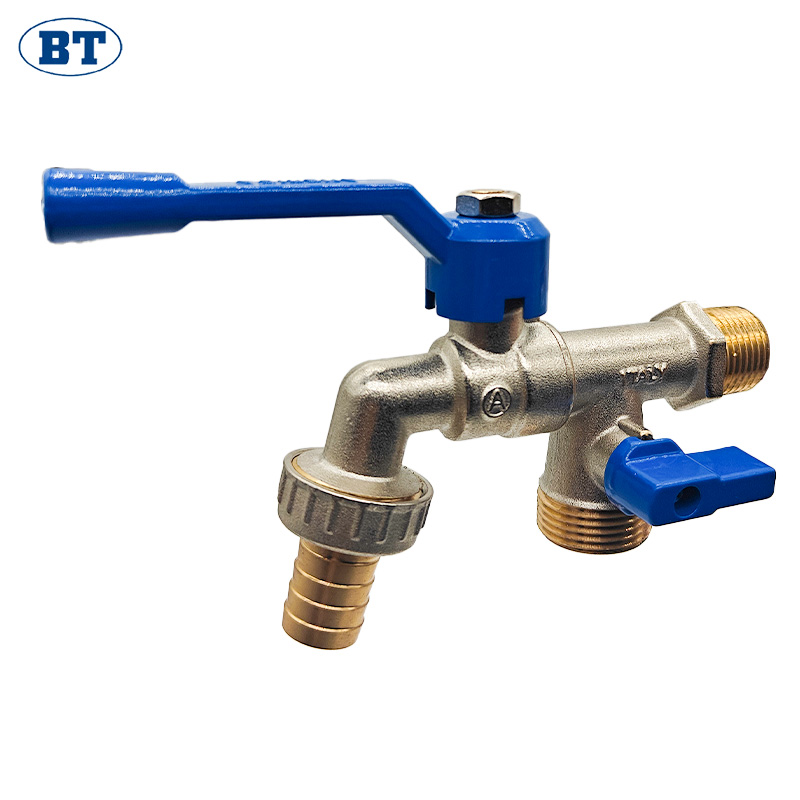
Why Brass Tap Is the Structural Backbone of Efficient Plumbing Systems
Superior Seal Integrity and Leak Prevention in High-Use Environments
Brass taps deliver exceptional leak resistance through precision-machined threads and compression seals that retain integrity under constant operation. Unlike polymer alternatives prone to warping, brass’s molecular density prevents deformation at connection points—critical in high-demand environments like commercial kitchens or hospitals. Industry data shows brass fittings reduce leakage by 92% compared to plastic variants in high-pressure systems, directly addressing the EPA’s finding that leaks waste 10% of household water annually. This reliability is rooted in brass’s innate corrosion resistance, which inhibits mineral buildup—a common cause of seal failure in hard water zones.
Reliable Pressure and Temperature Resistance Across Municipal Supply Variability
Municipal water systems regularly experience pressure fluctuations exceeding 80 PSI and temperature swings from 4°C to 60°C. Brass taps withstand these extremes reliably due to three key properties:
- Thermal stability: A low coefficient of expansion (18.7 µm/m·K) minimizes joint stress during heating or cooling
- Pressure resilience: With a tensile strength of 338 MPa, brass handles up to four times standard system surges
- Material inertness: NSF/ANSI 61-certified brass resists electrochemical degradation from chlorine, chloramines, and pH variations
This robust performance maintains consistent flow—even amid supply-line turbulence—and avoids sediment-induced flow reduction, a frequent failure mode in non-metallic fixtures.
Long-Term Water Efficiency Through Brass Tap Durability and Corrosion Resistance
15+ Year Performance Retention in Potable Water (NSF/ANSI 61 Certified)
Brass taps maintain optimal flow efficiency for over 15 years in potable water applications, thanks to their inherent corrosion resistance and NSF/ANSI 61 certification. This standard ensures lead-free composition and resistance to mineral scale accumulation—both vital for preserving pressure consistency and eliminating maintenance-related waste. Field studies show certified brass fixtures retain 94% of original flow efficiency after ten years, outperforming non-metallic alternatives that degrade three times faster under identical conditions. Their structural integrity also ensures aerators and flow restrictors operate as engineered, sustaining precise 1.2–1.5 GPM output without drift—making brass taps foundational water-conservation assets.
Precision Water Flow Control Enabled by Brass Tap Engineering
Optimized Flow Limiters and Aerators for Consistent 1.2–1.5 GPM Delivery
Modern brass taps integrate precision-engineered flow limiters and aerators calibrated to deliver 1.2–1.5 gallons per minute (GPM). This controlled restriction reduces residential water use by up to 30% versus unrestricted fixtures while preserving cleaning effectiveness. Aerators inject air into the stream, enhancing perceived flow volume and user satisfaction without increasing consumption—a design validated in kitchen and bathroom settings.
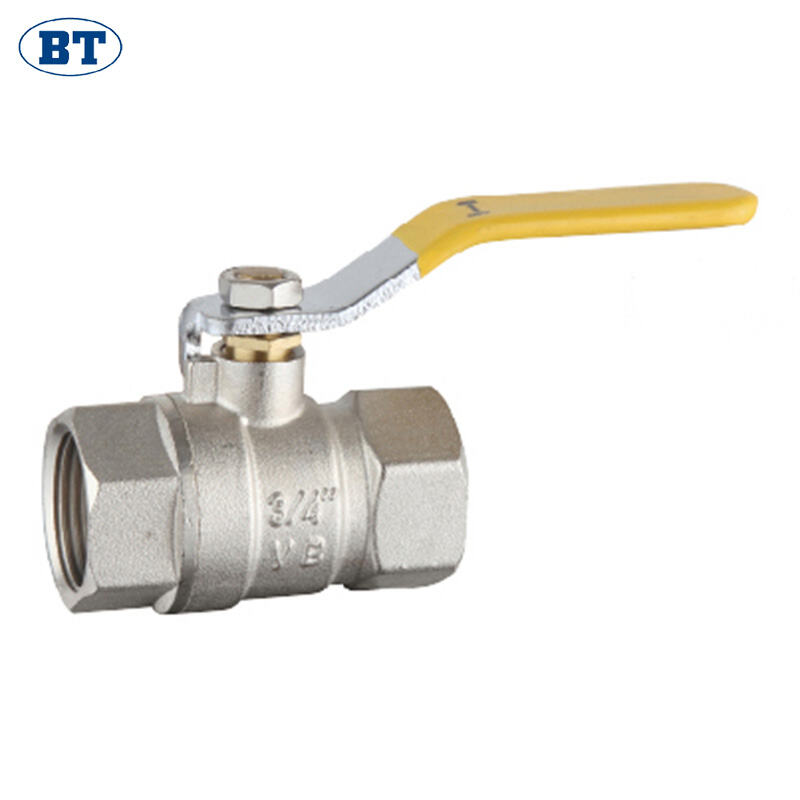
Dual-Outlet Brass Tap Design for Simultaneous Low-Flow Task Separation
Dual-outlet brass taps feature independent valves that enable concurrent, low-flow operations—such as rinsing produce at 0.8 GPM while filling pots at 1.5 GPM. Unlike single-outlet designs, which force combined flows and higher total consumption, this configuration eliminates task interruption and optimizes usage. Brass’s durability ensures valve performance remains consistent across frequent pressure shifts, supporting reliable flow separation for more than a decade.
Smart Evolution: Modern Brass Tap Innovations That Maximize Water Savings
Modern brass tap innovations merge precision engineering with sustainability goals to tackle water scarcity. Precision flow regulators sustain optimal pressure while limiting output to 1.2–1.5 GPM—achieving up to 30% water reduction without sacrificing usability. Touchless activation shuts off automatically after 15 seconds of inactivity, preventing nearly 12% of household water loss linked to unattended running taps. Lead-free brass alloys—often enhanced with polymer composites—deliver superior corrosion resistance while maintaining full NSF/ANSI 61 compliance for potable water safety. Integrated sensors and smart connectivity provide real-time consumption data, empowering users to recognize patterns and adjust behavior for measurable conservation. Together, these features elevate brass taps from passive components to active, intelligent water management systems.