 EN
EN

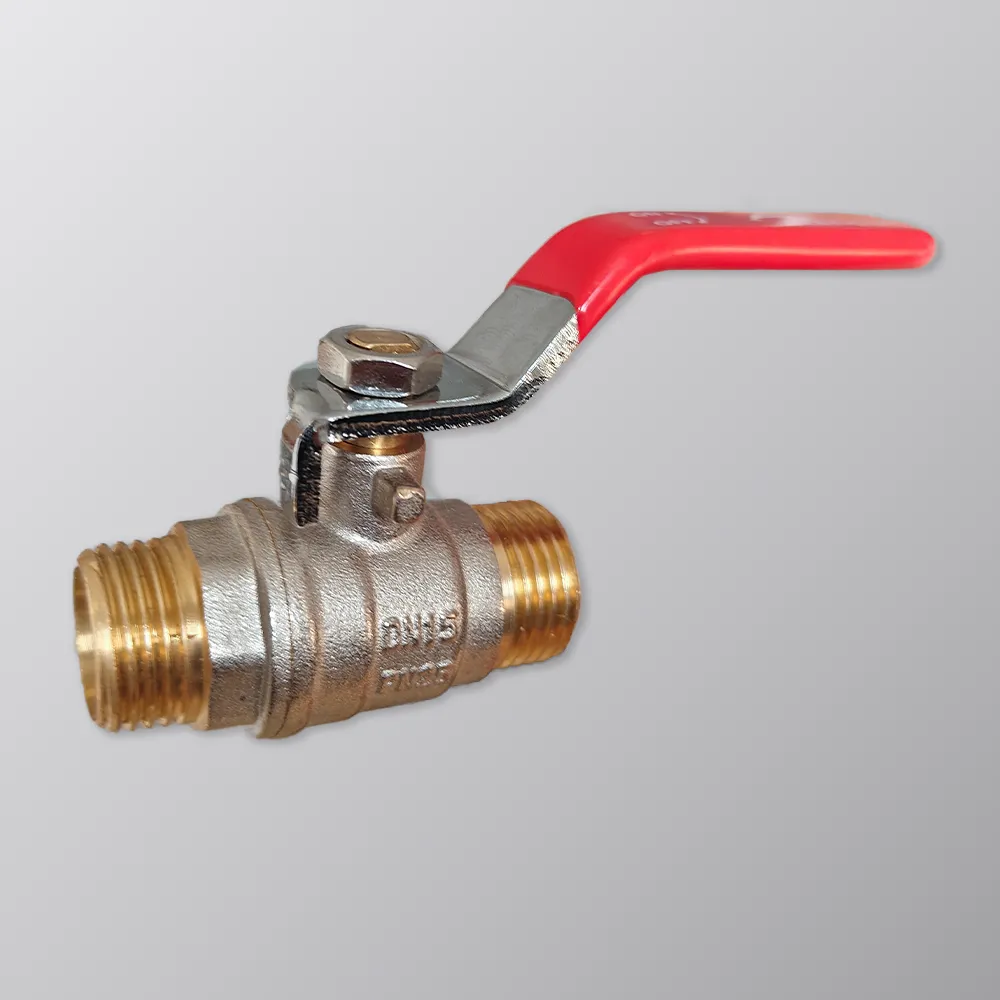
Match Pipe Size and Flow Requirements for the 2 Inch Brass Ball Valve
Understanding NPS vs. DN and Full-Port vs. Reduced-Port Configurations
Two common sizing standards govern water pipeline components: NPS (Nominal Pipe Size), the North American imperial standard, and DN (Diameter Nominal), the international metric system. A 2 inch NPS brass ball valve corresponds directly to DN 50—always confirm your system’s sizing standard before purchase to avoid costly misfits. Port configuration critically affects flow performance:
| Feature | Full-Port 2 Inch Brass Ball Valve | Reduced-Port 2 Inch Brass Ball Valve |
|---|---|---|
| Bore Opening | 90–100% of valve diameter | Up to 40% smaller than valve diameter |
| Flow Performance | Near-unobstructed flow; minimal pressure drop | Restricted flow; higher pressure loss |
| Ideal Use Cases | Main water lines, high-flow applications | Low-flow secondary lines (e.g., outdoor spigots, small appliance feeds) |
| Cost Point | Higher (more material, larger body) | Lower (compact design, less brass) |
Flow Rate, Pressure Drop, and Real-World Capacity Trade-offs in Residential and Commercial Systems
Once size and port type are confirmed, match the valve’s flow coefficient (Cv) to your system’s documented flow requirements. Cv quantifies flow capacity under standardized conditions—and is the most reliable indicator of real-world performance. Undersized or reduced-port valves introduce avoidable pressure drops that degrade system efficiency and increase long-term energy costs. A 2023 analysis of small commercial water systems found improperly sized valves contributed to an average 11% rise in annual pumping energy expenses. For residential main lines—especially where multiple fixtures operate simultaneously—a full-port 2 inch brass ball valve preserves pressure head and ensures consistent delivery. In contrast, reduced-port variants offer cost-effective, fit-for-purpose performance on non-critical low-flow branches without compromising safety or serviceability.
Ensure Material Compliance and Potable Water Safety for Your 2 Inch Brass Ball Valve
Brass Alloy Standards (C83600/C84400) and NSF/ANSI 61 Lead-Free Certification (<0.25% weighted average)
For potable water use, material compliance isn’t optional—it’s foundational to public health and regulatory adherence. Industry-standard lead-free brass alloys C83600 and C84400 deliver the corrosion resistance and mechanical strength of traditional brass while meeting strict global lead limits. Most jurisdictions enforce a maximum 0.25% weighted average lead content across all wetted surfaces, as defined in NSF/ANSI 61—the definitive U.S. and internationally recognized standard for drinking water system components. This certification verifies the valve will not leach harmful contaminants over decades of service.
Wetted Surface Verification and Regulatory Documentation Best Practices
Lead restrictions apply only to surfaces contacting water—so verifying compliance across every wetted component (body, ball, stem, seats, seals) is essential. Some suppliers cite bulk alloy testing alone, yet critical internal parts may still exceed allowable limits. Always request full third-party test reports and valid NSF/ANSI 61 certification documentation from your supplier before installation. A 2023 plumbing industry audit revealed that 11% of uncertified brass valves sold for residential potable water systems failed post-installation lead leaching tests—highlighting how thorough verification prevents avoidable health risks and costly code violations.
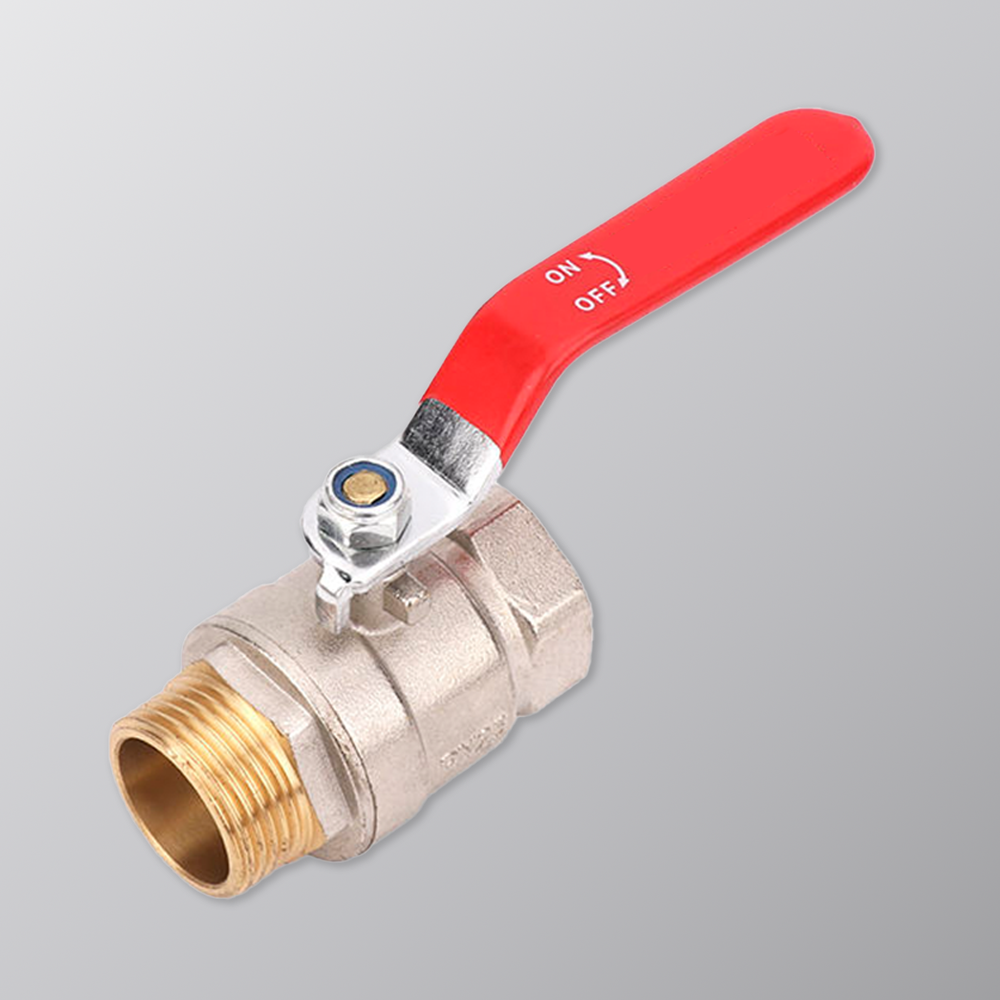
Validate Pressure, Temperature, and Connection Compatibility for Long-Term Reliability
Pressure Rating Interpretation (Class 150, PN20) and Thermal Derating Guidelines
Standard pressure ratings assume operation near ambient temperatures (68–100°F). Class 150—the typical North American rating—indicates a maximum working pressure of 150 psi at 100°F. PN20 (metric) denotes 20 bar (~290 psi) at room temperature. Because brass loses tensile strength as temperature rises, thermal derating is mandatory: pressure ratings must be reduced proportionally with increasing operating temperature. For example, per ASME B16.34 guidelines, a Class 150 brass valve rated for 150 psi at 100°F must be derated to approximately 75 psi at 300°F to ensure structural integrity and safe long-term operation.
Threaded (NPT/BSP), Flanged, or Sweat Connections: Leak Prevention and Installation Integrity
Matching connection type to your pipeline is non-negotiable for leak prevention and system longevity. Threaded connections—NPT in North America, BSP elsewhere—are standard for 2 inch brass ball valves in small-to-midsize water systems but require correct thread sealant application and torque control to prevent galling or joint failure. Flanged connections suit high-flow commercial or municipal applications, enabling quick, tool-free maintenance access. Sweat (soldered) connections are engineered exclusively for copper piping and demand professional installation to achieve a permanent, pressure-tight bond. According to a 2022 American Water Works Association assessment, mismatched or improperly installed connections account for 40% of residential valve leaks within the first five years—underscoring why connection compatibility and execution are as critical as valve selection itself.
Confirm Certifications and Industry Standards for Legal Compliance and System Trust
Valid third-party certifications are the final, indispensable checkpoint before specifying or installing a 2 inch brass ball valve in any potable water system. NSF/ANSI 61 certification is legally required for all wetted components in drinking water applications across most U.S. states and many international markets. Commercial and municipal projects often mandate additional proof of ISO 9001 quality management certification—verifying consistent manufacturing controls and traceable quality assurance. Operating without required certifications risks inspection failures, regulatory fines, mandatory product replacement, and project delays costing thousands in unplanned labor and materials. More importantly, third-party validation confirms the valve meets its published performance claims—not just on paper, but under independently verified test conditions—delivering enduring reliability and stakeholder confidence in both residential and commercial water infrastructure.
FAQ
1. What is the difference between NPS and DN sizing for 2 inch brass ball valves?
NPS (Nominal Pipe Size) is the North American imperial standard, while DN (Diameter Nominal) is the international metric system. A 2 inch NPS valve equates to DN 50, so it’s essential to confirm your system’s standard.
2. What are the advantages of full-port brass ball valves compared to reduced-port?
Full-port valves provide near-unobstructed flow with minimal pressure drop, ideal for high-flow applications. Reduced-port valves are more compact and cost-effective, suited for low-flow secondary lines.
3. How does material compliance impact potable water safety?
Material compliance ensures the valve will not leach harmful substances. Verified lead-free alloys like C83600 and C84400, certified to NSF/ANSI 61, are essential for potable water systems.
4. Why is connection compatibility important?
Using the correct connection type (threaded, flanged, or sweat) ensures leak-free operation and system longevity. Improper connections can lead to leaks and early failures.
5. What certifications should I look for in a 2 inch brass ball valve?
NSF/ANSI 61 certification for potable water and ISO 9001 for quality management are essential for ensuring compliance and reliability.
Table of Contents
- Match Pipe Size and Flow Requirements for the 2 Inch Brass Ball Valve
- Ensure Material Compliance and Potable Water Safety for Your 2 Inch Brass Ball Valve
- Validate Pressure, Temperature, and Connection Compatibility for Long-Term Reliability
- Confirm Certifications and Industry Standards for Legal Compliance and System Trust