 EN
EN

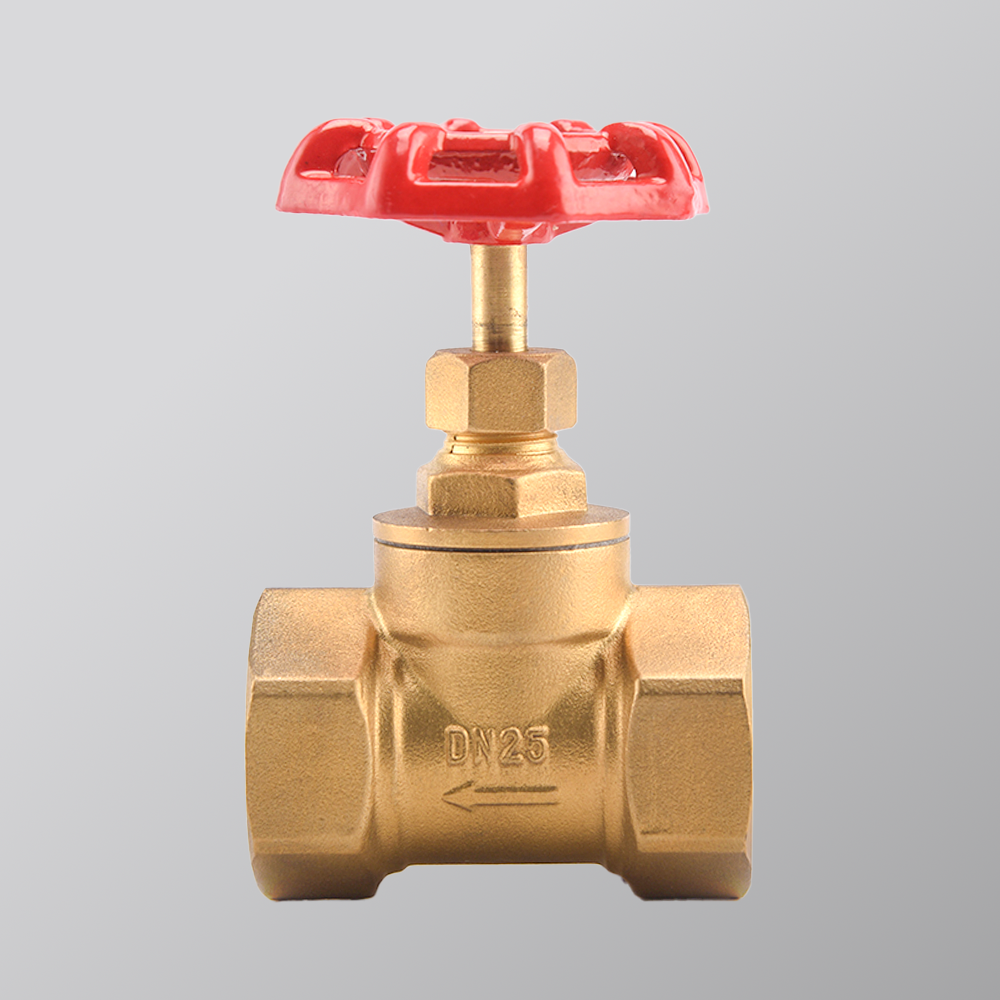
Exceptional Durability and Corrosion Resistance
Why brass outperforms iron, steel, and plastic in corrosive water environments
Brass valves excel in aggressive water systems due to their inherent corrosion resistance—outperforming iron, steel, and plastic alternatives. The zinc content in brass forms a self-repairing protective patina that resists mineral scaling, chlorination damage, and chemical degradation. Unlike iron valves, which pit and corrode rapidly in hard or chlorinated water, brass avoids the structural weakening seen in steel and the chlorine-induced embrittlement common in plastics. Crucially, brass maintains integrity across fluctuating pH levels without requiring sacrificial anodes, coatings, or chemical inhibitors.
Real-world data: 50+ year service life in municipal water systems (AWWA Case Study, 2022)
Municipal water systems report brass valve service lives exceeding 50 years—a benchmark validated by the American Water Works Association’s 2022 case study. This longevity reflects brass’s resilience to continuous exposure to chlorinated potable water, soil electrolytes, and thermal cycling. Its superior fatigue resistance reduces failure rates by 73% compared to polymer valves in high-pressure distribution mains, directly lowering emergency repair frequency and system downtime.
How brass’s electrochemical stability prevents galvanic corrosion in mixed-metal piping
Brass occupies a mid-range position in the galvanic series—making it electrochemically compatible with copper, the most widely used material in modern potable water piping. When joined to copper, brass generates only a minimal voltage differential (~0.15V), effectively eliminating destructive electrolytic currents that accelerate corrosion in steel or cast-iron components. This compatibility preserves joint integrity and water purity, as brass does not shed rust particulates or leach iron-based contaminants into drinking water systems.
Reliable Leak Prevention and Sealing Performance
Precision-machined brass seats and stems achieving ANSI/FCI 70-2 Class VI sealing (<0.001% leakage)
Brass valves achieve industry-leading leak prevention through precision-machined seats and stems certified to ANSI/FCI 70-2 Class VI—the highest standard for shutoff performance. This certification guarantees leakage rates below 0.001%, equivalent to fewer than 10 drops per minute under full-rated pressure. Brass’s optimal balance of hardness and malleability enables ultra-tight, deformation-free metal-to-metal seals that neither plastic nor hardened steel can replicate consistently over time.
Thermal expansion compatibility with copper and PEX—minimizing joint stress and micro-leaks
Brass’s coefficient of thermal expansion (CTE) closely matches both copper (17.5 vs. 16.5 μm/m°C) and PEX (17.5 vs. 18–20 μm/m°C), minimizing differential movement during temperature fluctuations from –20°C to 120°C. This alignment prevents stress concentration at threaded or press-fit joints—reducing the risk of micro-leaks caused by repeated thermal cycling. Unlike rigid alternatives, brass accommodates minor pipe movement through controlled elastic deformation, preserving seal integrity across thousands of cycles without requiring maintenance retightening.
Inherent Antimicrobial Safety for Potable Water Systems
EPA-registered biostatic action: 99.9% E. coli reduction within 2 hours (ASTM E2149)
Brass is EPA-registered for its intrinsic biostatic properties—achieving 99.9% reduction of E. coli within two hours per ASTM E2149 testing. This antimicrobial effect arises from the oligodynamic action of copper and zinc ions, which disrupt microbial cell membranes and inhibit replication. Unlike surface-applied antimicrobial coatings—which degrade, wear off, or require reapplication—brass delivers permanent, maintenance-free protection. It suppresses biofilm formation at valve surfaces without interfering with standard disinfection protocols, making it a hygienic choice for hospitals, schools, and municipal infrastructure where water safety is critical.
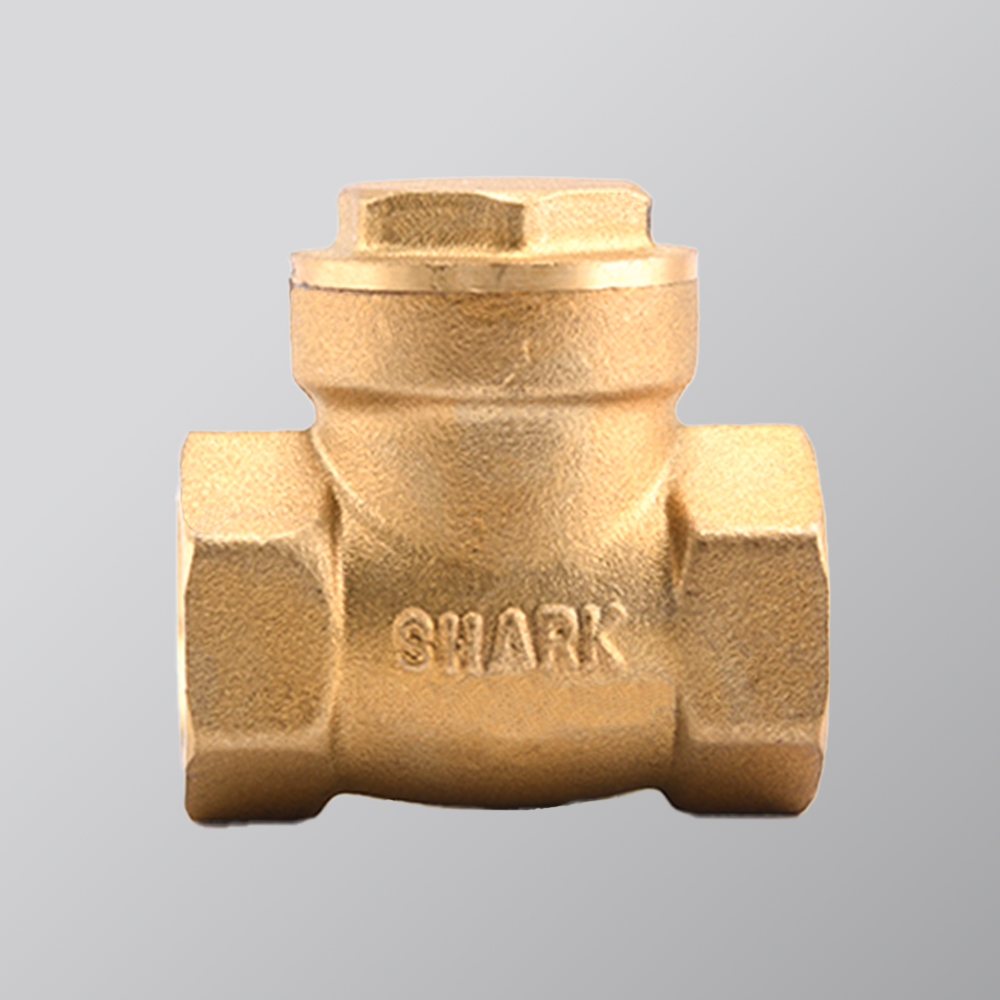
Long-Term Lifecycle Cost-Effectiveness
TCO analysis: 62% lower maintenance cost vs. stainless steel over 25 years (NSF/Plumbing Industry Report, 2023)
A comprehensive Total Cost of Ownership (TCO) analysis by NSF International’s 2023 Plumbing Industry Report confirms brass valves incur 62% lower maintenance costs than stainless steel over a 25-year service life. This advantage stems from brass’s immunity to pitting, crevice corrosion, and galling—eliminating recurring seal replacements, actuator recalibrations, and unplanned shutdowns common with stainless steel in variable water chemistries. For design engineers and facility managers, specifying high-quality brass valves translates to an average savings of $18,500 per 100 valves in maintenance alone—and a 74% reduction in system downtime—without compromising performance or compliance.