 EN
EN

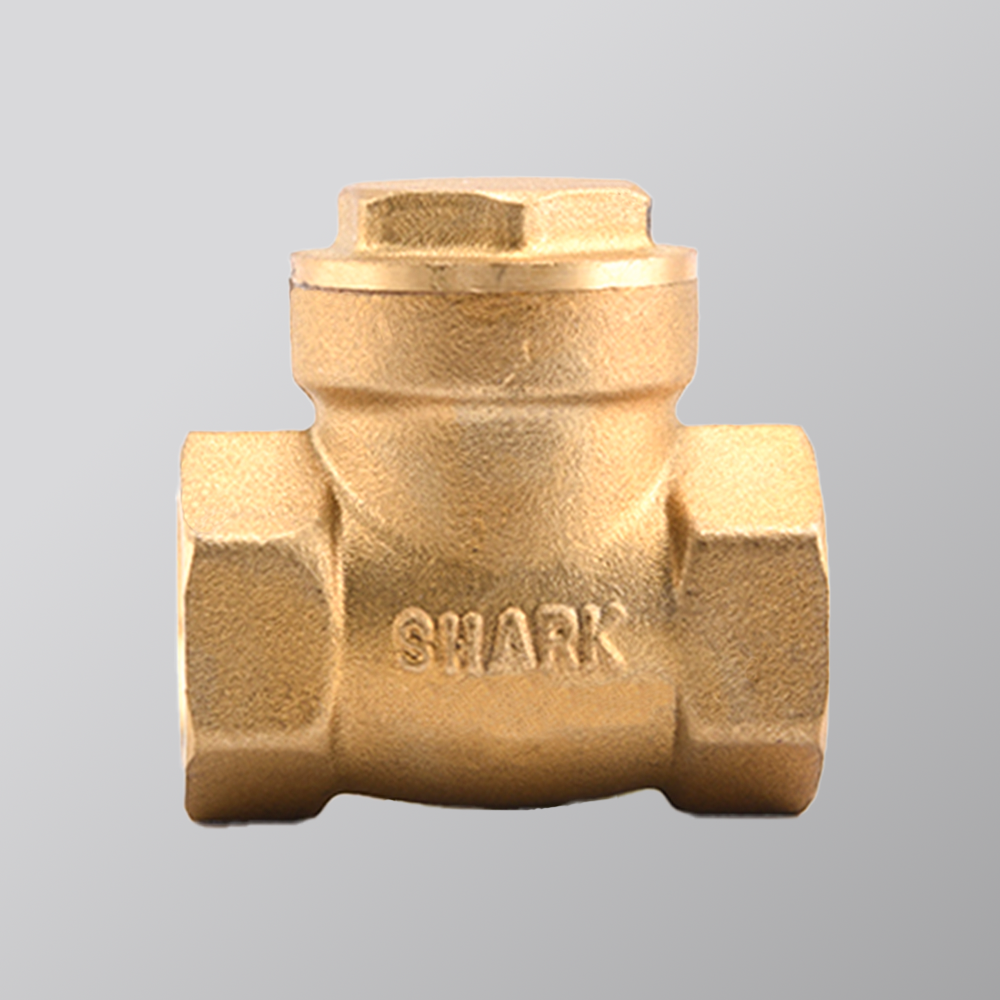
Prevents Backflow and Ensures System Integrity
How Check Valve Enforces Unidirectional Flow by Design
Check valves stop backward flow thanks to their simple mechanical setup. When fluid moves forward, pressure pushes open the valve disc. If the flow stops or goes backward, either gravity takes over or a spring snaps the valve shut right away. The whole thing works based on basic physics principles, so there's no need for any fancy sensors, control systems, or outside power sources. Many manufacturing sectors depend on this kind of fail-safe protection for their pumps, filtration units, and reaction vessels. According to recent data from Fluid Handling Journal (2023), backflow problems account for around 23% of all issues in fluid handling systems. Check valves basically cut out this problem entirely because they operate automatically and reliably without needing maintenance. Most experienced engineers know this makes them essential components in important processes like precise chemical metering and boiler water supply lines where failure just isn't an option.
Case Study: Pharmaceutical Plant Avoids Batch Cross-Contamination via Spring-Loaded Check Valve
One pharmaceutical company was dealing with serious issues where different drug batches were getting mixed up in their production lines. The problem got so bad that tiny amounts of old material contaminated new products, costing them around $1.2 million in specialty injectables alone. When they finally installed these special spring-loaded check valves at the blending tanks' entry points, something changed dramatically. Backflow problems simply stopped happening. These valves close really fast when there's a pressure change, stopping ingredients from moving backward through the system. Best part? They work without needing regular maintenance, no calibration headaches, and definitely don't require any outside power source. As a result, the factory saved roughly 190 man-hours every year on production delays. The spring-based design turned out to be perfect for clean environments where split-second responses matter most. This helped them stay compliant with those tough FDA regulations under 21 CFR Part 211 about keeping products separate from each other.
Lowers Total Cost of Ownership Through Passive Reliability
Zero-Actuation Operation Eliminates Solenoid Failures and Calibration Drift
Unlike many other valve types, check valves don't need electricity or outside mechanisms to work properly. When fluid starts flowing backward, their spring loaded discs simply shut themselves off automatically. This design gets rid of those pesky solenoid burnouts that plague automated control valves. Plus it avoids calibration drift problems which are major headaches for systems that depend on position sensing technology. Factories that switch to check valves find they need fewer spare parts sitting around in storage. Maintenance crews also spend about 17 percent less time on repairs each year according to recent industry reports from Fluid Systems Journal back in 2023.
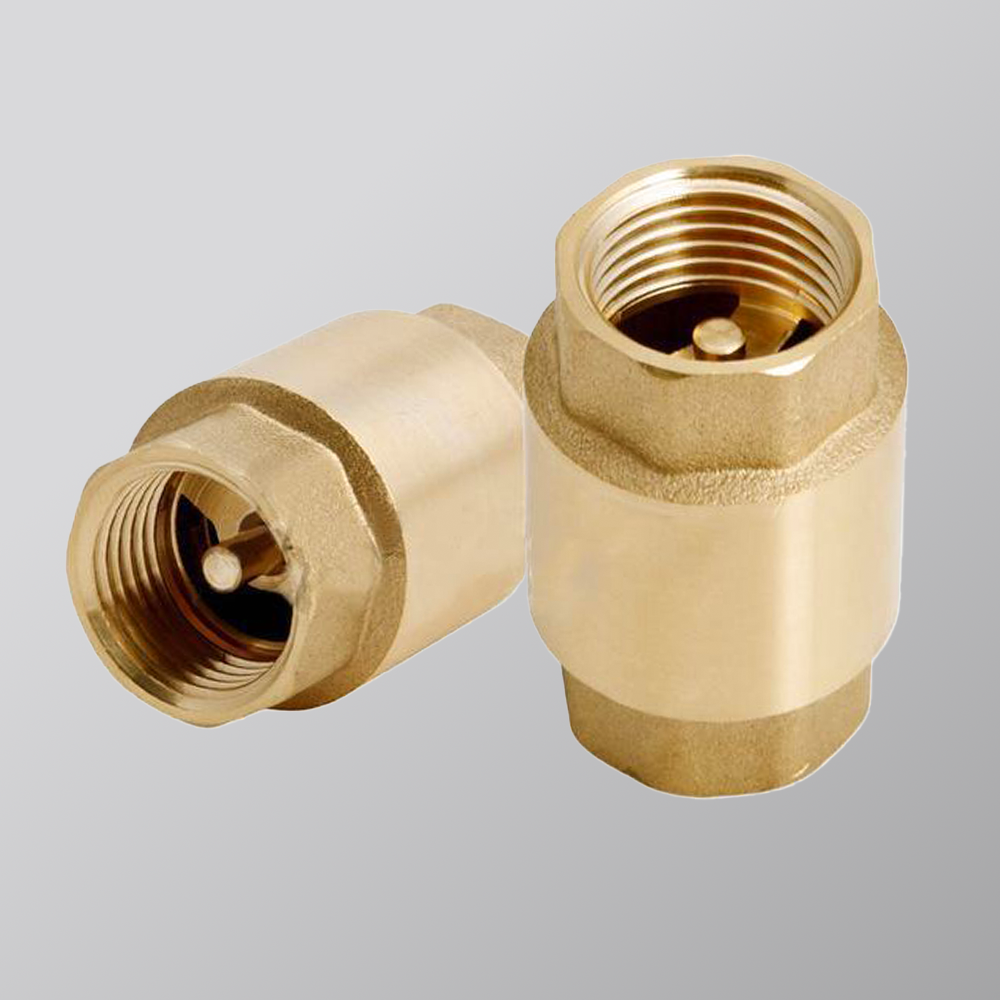
Passive Mechanics Extend MTBF by 3.2× vs. Control Valves (2023 Emerson Benchmark)
Check valves stand out because they don't need motors, controllers or those pesky sliding seals that tend to fail over time. A recent study by Emerson looked at around 12,000 industrial valves last year and discovered something interesting: spring assisted check valves lasted an average of 92,000 hours before failing. That's roughly three times longer than what we see with motorized control valves. Why? Well, there are just so many fewer parts that actually get worn down during operation. The main components under stress are really simple things like the disc, spring and seat. Plants that switched to these kinds of valves have seen their maintenance budgets drop significantly too. Some facility managers report cutting their total costs over five years by about 31% compared to when they were using those complicated actuated systems.
Protects Pumps and Optimizes Energy Efficiency
Silent vs. Swing Check Valves: Balancing Closure Speed and Water Hammer Risk
Valves designed to stop backward flow help keep pumps running efficiently and avoid unnecessary wear and tear on equipment. The silent type closes fast once the flow stops, which stops any backward movement but can actually create problems like water hammer. When this happens, pressure spikes can reach over double what's normal for the system, leading to damaged pipes and worn out seals around the pumps. On the other hand, swing check valves take their time closing down, cutting water hammer risks by about two thirds, though they do allow some brief backward flow during shutdowns. There's always this balancing act between different valve types, and it makes a real difference in how much energy gets used overall in these systems.
| Valve Type | Closure Speed | Water Hammer Risk | Energy Impact |
|---|---|---|---|
| Silent Check Valve | Milliseconds | High | Prevents energy waste from reverse flow |
| Swing Check Valve | 1–5 seconds | Moderate | Reduces surge-related energy spikes |
For high-pressure systems (≥100 psi), silent valves prevent pump cavitation but require surge suppressors. In long pipelines, swing valves minimize destructive pressure waves while accepting less than 2% efficiency loss from brief backflow. Proper selection lowers pump energy consumption by up to 7%—by maintaining unidirectional flow and avoiding cavitation damage.