 EN
EN

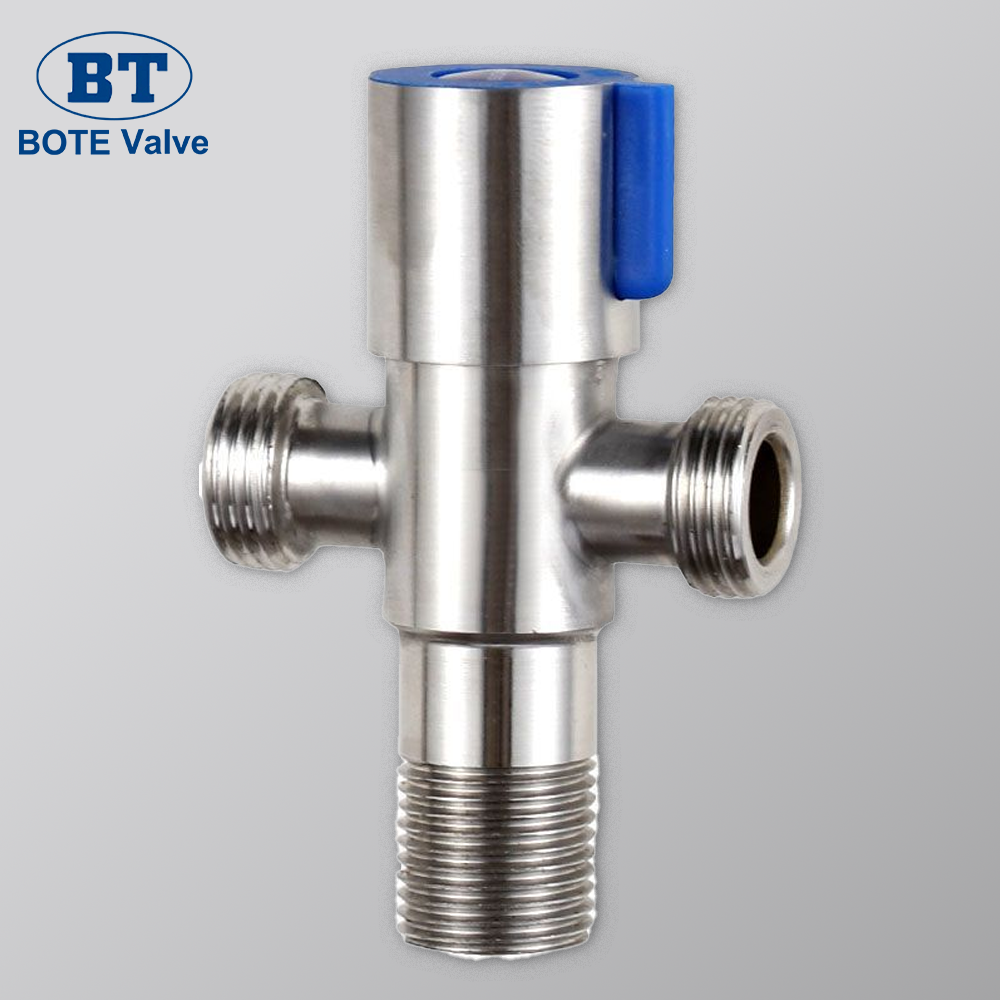
Core Function: Directional Flow Control and Spatial Efficiency
How the 90-degree angle valve design enables precise water direction and compact installation
Angle valves work so well for controlling water direction because of that classic 90 degree turn they have. This bend lets water go straight up from pipes then switch to horizontal when connecting to fixtures, all while taking up next to no space. Straight valves just don't cut it in tight spots. The L shape of angle valves makes them fit right behind sinks, toilets, and bathroom cabinets where there's barely any room to spare. Space saving isn't just nice to have these days either. Modern bathrooms are getting smaller as people build deeper cabinets and install wall hung toilets. There's simply no place for big valve assemblies anymore. Plus, the way these valves direct water keeps everything flowing where it should. No more leaks happening sideways that mess with water pressure or wear out pipe connections over time.
Functional comparison: Angle valve vs. straight valve in pressure retention and response latency (BS EN 1717-compliant data)
According to BS EN 1717 tests, angle valves actually hold about 15 to 20 percent more static pressure compared to similar straight valves. The way these valves are designed inside helps cut down on turbulence and resistance as fluid moves through them, which means there's less pressure loss when passing through the valve body itself. What makes them really stand out though? They shut off much faster too. Most angle valves can fully close within just 0.8 seconds, which beats the usual 1.4 second delay seen with straight valves by nearly half. This quick response time matters a lot when it comes to preventing water hammer issues during emergencies. Plus, since angle valves don't require extra bends in piping that straight valves sometimes need to fit into corners, installers save time and money while also improving overall system efficiency.
Fixture-Specific Isolation for Damage Prevention and Maintenance
Statistical imperative: Why individual shut-off at sinks, toilets, and showers prevents 78% of domestic water damage (RICS 2023)
Shutting off water at specific fixtures through angle valves installed under sinks, behind toilets, and next to showers has become a go-to solution for preventing major water damage problems. The Royal Institution of Chartered Surveyors released their 2023 Water Damage Report showing these localized shut-offs stop around 78 percent of home water issues before they spread. When pipes burst or fittings fail, water doesn't flood throughout the house anymore. Instead it just stops right near where the problem happens. What would otherwise cost thousands in repairs becomes something much cheaper to fix. No wonder building regulations now require this setup for new homes and renovations, and insurance companies are pushing for it too as part of their risk management strategies.
Operational benefit: Localized control without disrupting whole-system supply
Angle valves make plumbing maintenance much easier since they stop the need for shutting down whole systems during repairs. When plumbers need to fix something like a sink cartridge, work on a toilet fill valve, or fix a leaky shower, they don't have to cut off water everywhere else in the house or building. The emergency response gets a lot faster too. If the problem area is isolated within just three feet of where it actually is, response times can drop around 70%. This means less damage spreads and people aren't without water for so long. Regular maintenance becomes simpler as well. Checking or changing the washer in an angle valve usually takes less than five minutes flat. That's way better than spending hours draining pipes and getting everything pressurized again after working on a main line. These valves basically create separate sections in the plumbing system. For apartment complexes and busy homes where multiple people rely on the same water supply, this kind of setup really matters for keeping things running smoothly even when problems pop up.
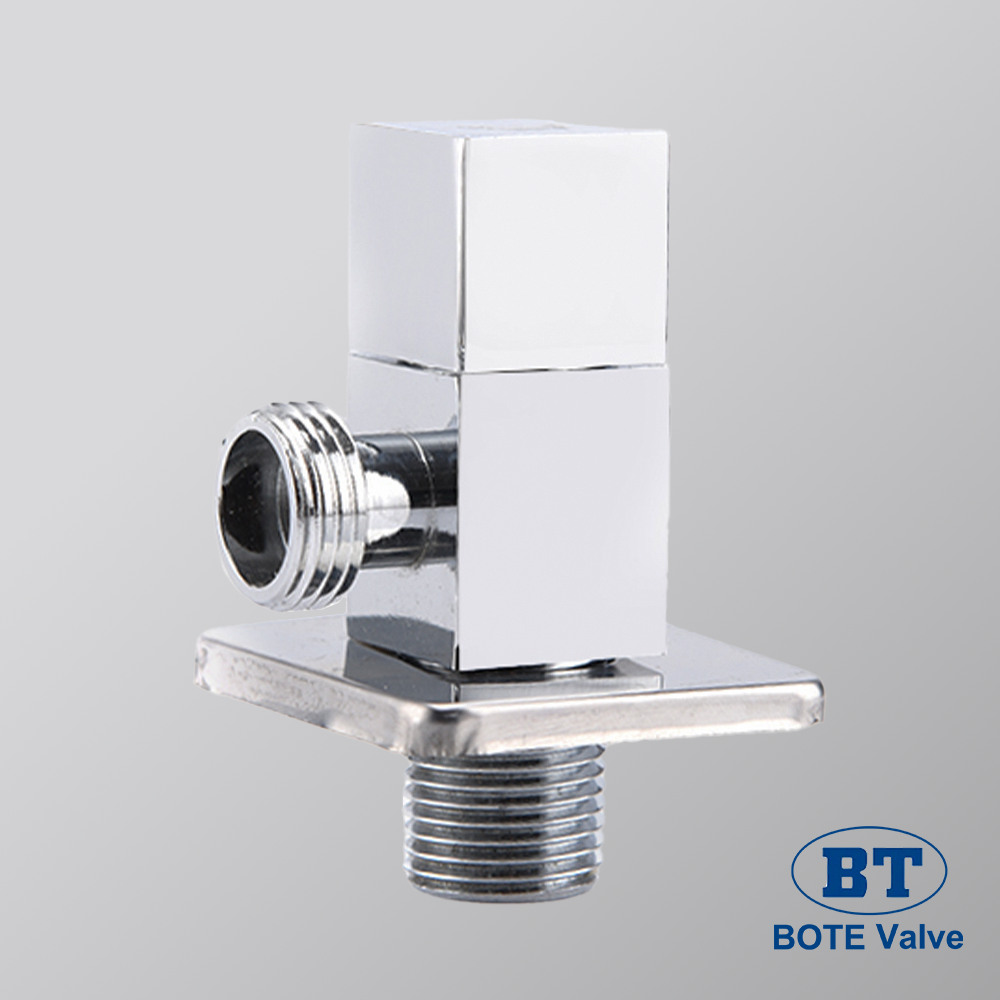
Space-Optimized Installation in Contemporary Bathroom Design
Adapting to Compact Modular Bathrooms and Under-Sink Integration Requirements
Modern bathroom designs, particularly for city apartments, dorm rooms, and office spaces, depend a lot on small modular units that need precise measurements. When it comes down to it, the shape of an angle valve matters most. The 90 degree bend allows these valves to sit back from cabinet fronts without blocking access to pipes behind walls. Straight valves take up way more room than they should, and those old compression fittings need extra space to work properly. Angle valves fit neatly under sinks and inside wall pockets, saving precious storage space while still following the accessibility standards set by BS 8300 and ADA requirements. Because of this flexibility, plumbers and designers consider angle valves essential for any layout where space is at a premium. After all, in tight quarters, even tiny differences in size can mean the difference between something working well or just barely getting by.
Wall-Mounted and Cabinet-Concealed Routing Enabled by Vertical-to-Horizontal Flow Transition
Angle valves allow plumbing to switch from going straight up to turning sideways, which opens up some really good options for how pipes are routed through walls. Plumbers can actually run water lines straight up along the wooden frames inside walls or hide them behind decorative panels, then make one neat right angle turn right into whatever fixture they're installing. This means we can now have those modern floating sinks, wall mounted toilets, and sleek showers that look great because there's no messy pipe sticking out anywhere. Hiding these pipes isn't just about looks either. It gets rid of things people might trip over and keeps important water lines safe from getting bumped around in busy areas of the house. Plus, there's another benefit nobody thinks about upfront but becomes super valuable later on. When homeowners want to upgrade their bathrooms with fancy water sensors or automatic leak detectors down the road, having those hidden vertical pipes makes adding new tech much easier without tearing everything apart or messing with how the space looks.
Advanced Angle Valve Variants for Multi-Fixture Resilience
Today's dense bathroom setups like dual sink vanities, wet rooms that combine showers and toilets, or busy commercial restrooms need angle valves that go way beyond simple on/off functionality. The better models now come with composite polymer seats attached to brass bodies coated in chromium, which helps fight off corrosion caused by harsh water conditions. This actually solves a big problem since around 37 percent of issues with multiple fixtures stem from worn seals. Some valves have special stems that adjust themselves when temperatures change quickly, something really important for systems connected to tankless heaters that cycle through heating 12 to 15 times every day. In buildings where everything is controlled remotely, there are quarter turn ball valves that can last over 300 thousand operations before needing replacement. These work seamlessly with building management systems so leaks can be addressed from afar without affecting water flow rates. And don't forget PEX compatible adapters either. They stop galvanic corrosion where different metals meet, helping these installations last well past 15 years even under constant heavy use.