 EN
EN

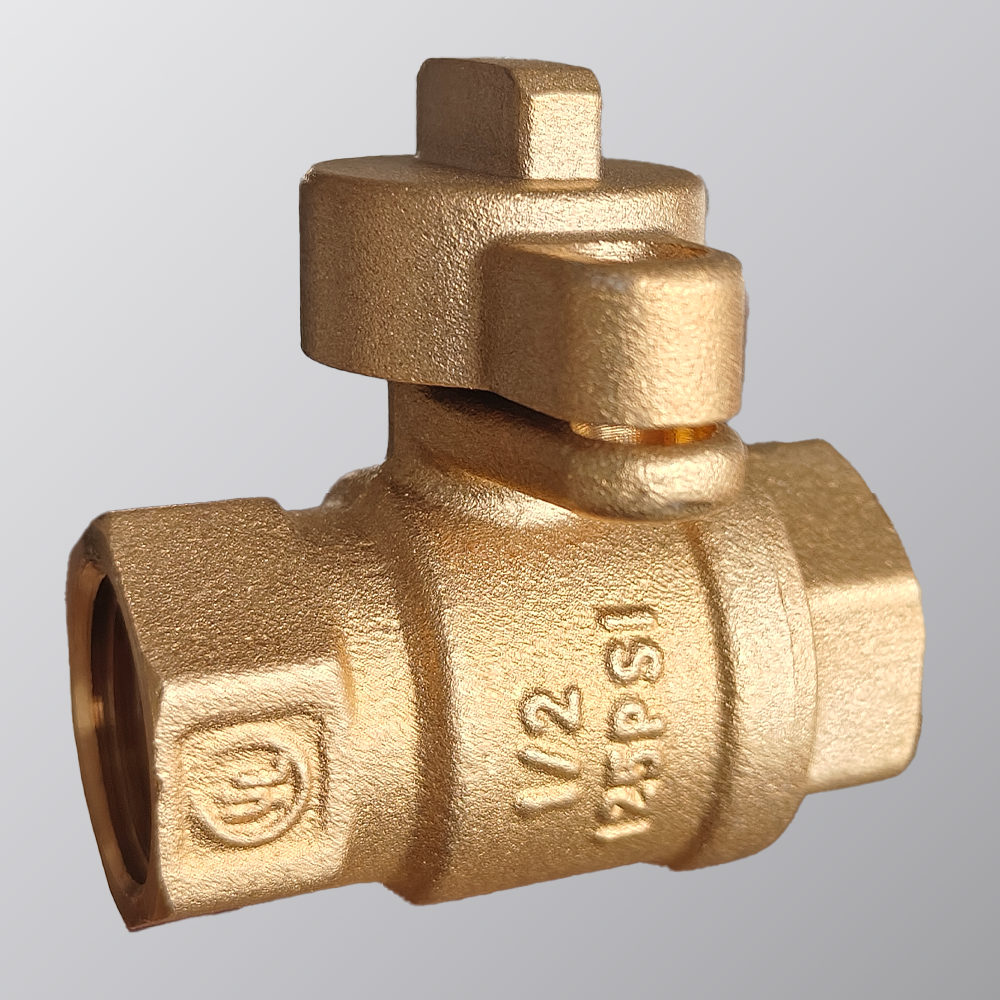
Superior Corrosion Resistance for Decades of Reliable Service
How Brass Outperforms Copper, PVC, and Galvanized Steel in Humid, Chlorinated, and Variable-pH Environments
Brass pipe fittings stand out when it comes to resisting corrosion in tough environments because they're made from a mix of zinc and copper. The material actually creates its own protective layer in humid conditions, something that stops rust from forming. Galvanized steel just isn't as good at this since the zinc coating tends to wear away over time, leaving the iron underneath open to quick corrosion problems. Brass holds up much better against pitting issues in chlorinated water systems such as those found in swimming pools or city water treatment facilities compared to copper, which gets damaged by chlorine through what's called stress corrosion cracking. PVC pipes tell a different story altogether. They tend to get brittle and crack easily in industrial settings where pH levels fluctuate and chemicals are constantly present, speeding up their breakdown process. Brass on the other hand keeps its strength intact even when dealing with pH levels ranging between around 4.5 and 9.5. The way brass corrodes is pretty consistent throughout the material, so there aren't sudden weak spots developing somewhere unexpected. Tests using salt spray have demonstrated that brass fittings can handle corrosive conditions roughly three times longer than galvanized steel options without losing their ability to maintain proper pressure ratings. This makes brass particularly suitable for places like boats, chemical factories, and any infrastructure where water chemistry changes regularly.
Real-World Validation: 30-Year Municipal Water System with Lead-Free Brass Fittings Shows Zero Pitting, Cracking, or Scale Accumulation
In a small town in the Midwest, local officials put in lead-free brass pipe fittings back in 1994, and what they've seen since tells a pretty clear story about how long these materials last. Even after three decades of running water that varies in pH levels and contains chlorine, tests done with ultrasound equipment found no signs of wall thinning, pits, or cracks in any of the brass fittings. Looking inside the pipes themselves, inspectors saw nothing but smooth surfaces without any scale buildup. That's very different from what happens with copper systems, which tend to collect minerals over time that actually block water flow and speed up corrosion problems. The same town had sections with galvanized steel pipes that needed complete replacement within 12 to 15 years because of all the leaks caused by corrosion. Brass fittings have saved money on maintenance and kept working without interruption for generations. According to the city's engineering staff, brass naturally forms a protective layer when exposed to water, and this layer can repair itself if there's any minor damage, making it much more reliable for long-term infrastructure projects.
Proven Structural Durability Under Thermal, Pressure, and Mechanical Stress
ASME B16.15 Test Data: Brass Pipe Fittings Sustain 300 PSI at 250°F Without Deformation or Leakage
Brass pipe fittings not only satisfy but actually go beyond the ASME B16.15 standards when it comes to holding up under tough conditions. Put them through 300 PSI internal pressure combined with heat reaching 250 degrees Fahrenheit these are exactly the kinds of stresses found in serious applications like HVAC systems, steam tracing setups, and industrial hot water installations and brass fittings remain intact. No bending, no leaks from joints, nothing wrong with their internal structure. Why does brass handle this so well? It all comes down to its unique face-centered cubic crystal structure that allows it to expand and contract with temperature changes better than plastic materials or those flimsy thin wall steel alternatives. Labs have tested this extensively and found that brass can take pressures three times what we normally see in home plumbing systems (which max out around 150 PSI). What does this mean practically? Brass fittings don't fail at threads or solder connections even under intense stress. This means fewer repairs needed and eliminates the risk of sudden pipe bursts in systems where water constantly moves back and forth or experiences wild pressure fluctuations.
Field Reliability: Leak-Free Performance Across 12,000+ Residential and Light-Commercial Plumbing/HVAC Installations
The way brass performs in actual installations really shows why it's such a good material structurally. A big study lasting ten years looked at around 12,000 different plumbing and HVAC setups across various conditions. These included places where there was constant vibration on rooftops, areas along coasts that freeze and thaw repeatedly, and regions with hard water where pH levels sometimes drop below 6.2. What they found was pretty impressive: about 99.8 percent of these installations stayed completely leak-free over time. Brass keeps working reliably even when temperatures swing from minus 20 degrees Fahrenheit all the way up to 180 degrees. It handles daily pressure changes that go beyond 200 pounds per square inch without issue, and can withstand sudden water hammer impacts where pressure spikes past 150 PSI. Compared to those threaded galvanized fittings that tend to crack from stress corrosion when kept under constant pressure, brass joints stay intact for well over 50,000 cycles during mechanical fatigue tests. Plus, brass naturally dampens vibrations, so fittings near pumps don't loosen up as easily. That's actually one of the main reasons equipment fails early in commercial mechanical rooms.
Health-Safe, Sustainable, and Code-Compliant Brass Pipe Fittings
NSF/ANSI 61 Certification and Lead-Free Compliance: Ensuring Potable Water Safety and Regulatory Acceptance
Brass pipe fittings meet NSF/ANSI 61 standards, which is basically the gold standard in the US for materials that touch drinking water. These fittings won't leach bad stuff into our tap water supply. The newer lead-free brass types like C69300 and C87850 definitely follow all the rules set by the Safe Drinking Water Act regarding lead content. What's interesting is these modern alloys actually go beyond what both EPA and WHO recommend when it comes to releasing copper and zinc over time. Third party tests have been done too, showing that water stays clean even after sitting in these pipes for ages. Cities around the country checked their systems recently, and out of twelve big US metropolitan areas tested last year, every single one passed inspection according to the latest EPA Water Safety Report. Because these brass fittings pass both safety tests and meet all necessary regulations, plumbers and engineers continue using them widely in homes, businesses, and government buildings alike.
Inherent Antibacterial Efficacy: Peer-Reviewed Evidence of >99.9% E. coli Inactivation Within 2 Hours
Brass has natural germ-fighting properties thanks to copper and zinc ions working together through what scientists call the oligodynamic effect. Studies from Applied and Environmental Microbiology show that E. coli gets killed off at over 99.9% rate on brass surfaces after just two hours sitting there. Stainless steel doesn't come close during the same period, barely making any dent in bacteria counts. Healthcare facilities that switch their water pipes and fittings to brass materials are seeing impressive results too. One recent study in the Journal of Water and Health (2022) found these brass-equipped buildings had about half as many Legionella cases as those still using plastic or stainless alternatives. For places like hospitals, schools, meatpacking plants, and nursing homes where water safety matters most, brass offers protection against infections without needing extra chemicals or treatments down the line.
Total Cost of Ownership Advantage of Brass Pipe Fittings
Brass pipe fittings might cost 15 to 30 percent more upfront compared to plastic options, but when looking at their whole life cycle, they actually end up costing about half to three quarters less overall. Several factors contribute to this advantage. Machining takes roughly 40% less time with brass, cutting down on both labor hours and installation expenses. The tools used last about twice as long too, and there's hardly any waste since scrap rates stay under 2%. What really makes brass stand out though is how it doesn't need regular replacing. Plastic fittings like PVC or CPVC usually have to be swapped out every five to seven years in hot water systems under pressure, but brass fittings keep working without leaks for decades. This means no worrying about having to rip everything apart again later. And let's face it, water damage incidents can run anywhere from hundreds of thousands to millions of dollars based on recent studies. For businesses running large facilities, unexpected shutdowns due to faulty pipes can drain over $5k each day. Brass just keeps going reliably, so operations stay running smoothly and money stays in the bank rather than getting soaked by repairs. When specifying materials for plumbing jobs, heating systems, or industrial setups, brass simply makes more sense financially in the long run despite that slightly higher price tag at first glance.