Valve pressure gauges are essential tools for keeping tabs on what's happening inside systems at any given moment. When operators know exactly what pressure levels exist throughout their operations, they can keep things running safely without wasting resources or risking breakdowns. Getting accurate readings means plants stay within their intended operating ranges, which cuts down on unexpected failures and keeps production flowing consistently. The numbers back this up too many facilities report cutting maintenance expenses somewhere around 20 to 25 percent just from better pressure monitoring practices. And beyond saving money, these instruments simply make whole systems work more reliably day after day.
The ability to catch pressure changes early on ranks among the key safety features of pressure gauges within valve systems. When we see those sudden jumps or dips in readings, they usually point to problems brewing under the surface like clogged pipes, hidden leaks, or parts starting to fail conditions that might turn dangerous if left unchecked. What makes these gauges so valuable is their instant visual display, which lets technicians spot irregularities while there's still time to act. This early warning system means small troubles can be fixed before they spiral into bigger headaches down the line, saving both money and potential disasters.
Pressure gauges play a vital role in stopping over pressurization situations, which often lead to serious equipment failures across manufacturing facilities. When connected to valve systems, these devices constantly check pressure levels so everything stays within what's considered safe operating ranges. Looking at industrial accident reports, we find that around 15 percent of incidents in processing plants actually stem from excessive pressure build up. Getting good results from pressure gauges requires not just buying quality equipment but also making sure they're installed correctly and calibrated regularly. This kind of maintenance gives operators an early heads up when pressure starts climbing dangerously high, giving them time to take corrective measures before things get out of hand and reach those red zone levels.
Pressure gauges and valves form a critical partnership in industrial process control, enabling real-time monitoring and precise regulation of fluid systems. This integration maintains optimal operating conditions, prevents equipment damage, and supports process consistency across industries such as oil and gas, chemical processing, and manufacturing.
Industrial pressure gauges serve as critical tools for monitoring what's happening inside machinery and pipelines. These devices keep track of pressure readings so operators know when something might be going wrong. The information from these gauges helps workers spot problems early on, maintain consistent operations, and generally run things smoother. Industry research shows that proper pressure monitoring cuts down equipment downtime around 40 percent because technicians can fix issues before they become major breakdowns instead of waiting until something breaks completely.
When pressure gauges work together with valves, they help regulate how fluids move through a system. Technicians watch what the gauges show and then tweak the valves accordingly opening them wider when more flow is needed or shutting them down partially if pressure gets too high. This creates kind of a self correcting system where pressure stays within acceptable limits for safety and efficiency. Getting this right stops problems like pipes bursting from too much pressure or systems running inefficiently because there's not enough force behind the fluid movement. Such coordination forms the basis of many automated control setups in industrial settings, which means operators don't have to constantly monitor everything by hand but still get reliable results most of the time.
The majority of pressure gauges work with something called a Bourdon tube, which is basically just a metal component shaped like a curve. When pressure builds up inside the system, this curved part tries to become straight again. The movement caused by this bending action turns gears connected to a needle on the gauge face. As these gears spin, they move the needle along a scale so we can actually see what the pressure reading is. What makes these gauges so useful is their simplicity really shines through here. They don't need any electricity or batteries to function properly. These devices give accurate readings whether measuring very low pressures near vacuum levels all the way up to situations where pressures might reach around ten thousand pounds per square inch or even higher in some industrial settings.
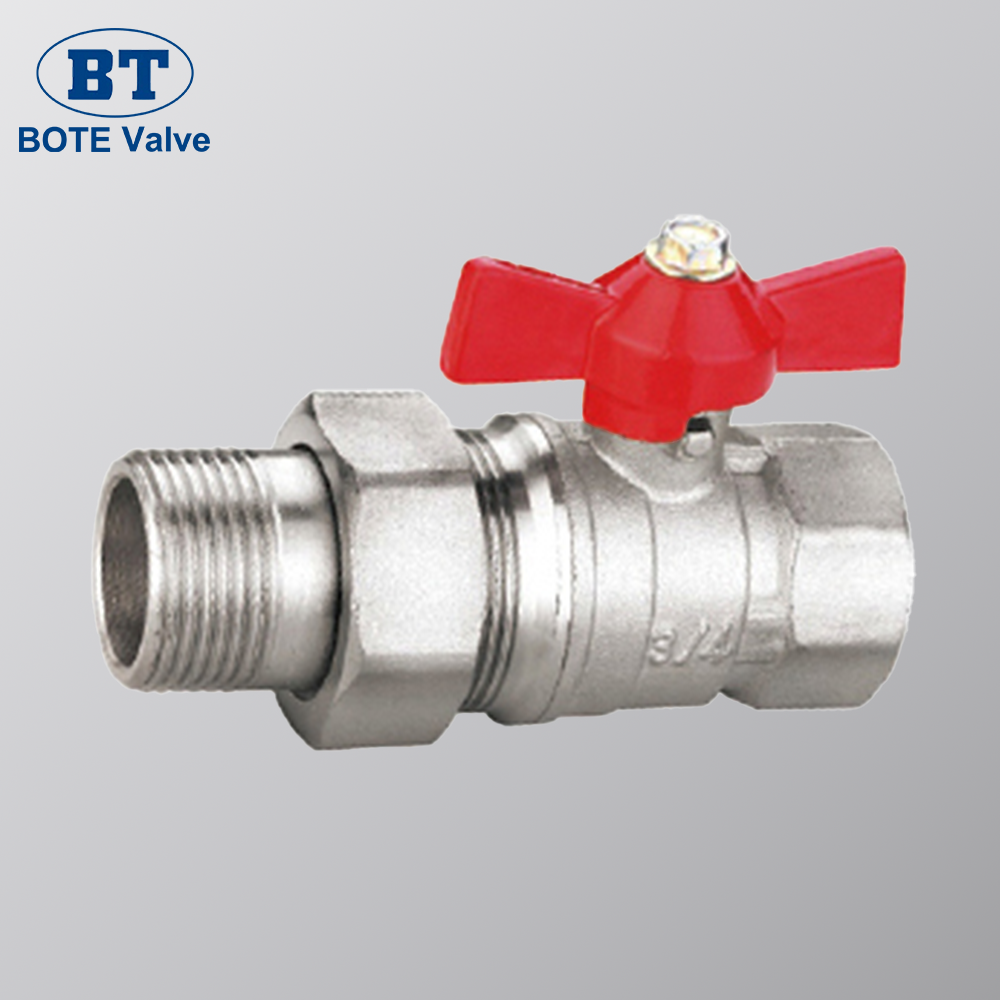
When we talk about integrated pressure gauge and ball valve assemblies, what we're really looking at is a smart combination of measuring equipment with isolation capability all packed into one neat package. The setup features a simple quarter turn ball valve sitting right between the main process line and the actual pressure gauge. This means technicians can completely cut off the flow when they need to work on or replace the gauge itself, no need to shut down the whole system for something that should take just minutes. From an engineering standpoint, this kind of design makes life easier in several ways. Fewer connections mean fewer places where leaks might happen, it takes up less room on crowded panels, and most importantly, workers stay safer when dealing with those sudden pressure spikes or when performing routine service tasks on pressurized systems.
Most pressure gauges work with mechanical sensing tech, and the two main types are Bourdon tubes and diaphragms. When pressure hits a Bourdon tube gauge, it makes that curved metal tube want to straighten out just a bit. This movement gets passed along through some linkages until finally the needle moves around on the dial. For diaphragm gauges, there's this thin, flexible membrane inside that bends when pressure builds up. The bending gets magnified somehow so we can actually see what's happening on the face of the gauge. What's really nice about these old school mechanical systems is they don't need any electricity at all. That makes them super handy in places where getting power might be tricky or dangerous, like oil rigs or chemical plants where sparks could cause big problems.
Turning pressure readings into something we can actually read depends heavily on mechanical amplification techniques. Take bourdon tubes for instance they work by uncoiling just a tiny bit when pressure builds up inside. This small movement gets amplified through those sector gears and pinion systems everyone talks about, which ultimately moves the needle across almost three quarters of a circle from empty to full. With diaphragm type instruments, the same principle applies but instead of tubes, it's the diaphragm itself that bends and pushes against a connecting rod linked to the indicator mechanism. When these devices come off the production line, manufacturers make sure they meet pretty strict accuracy requirements usually within plus or minus 1% of whatever maximum reading they're built for. The really good ones go even further by adding those fancy jeweled bearings and super accurate gears throughout the mechanism. These components help reduce wear and tear over time, so the instrument keeps working reliably even after years of constant use in tough industrial environments.
Integral valve mechanisms allow operators to isolate pressure gauges from the process media without halting operations. This capability enables safe calibration, maintenance, or replacement while protecting personnel and instrumentation. The valve blocks pressure surges from reaching the gauge’s sensitive internals, extending service life and preserving measurement accuracy.
Sudden pressure spikes can really damage pressure gauges if not properly controlled. According to ASME B40.100 standards, any gas system operating above 2.5 MPa needs pressure relief devices installed, while liquid systems over 6 MPa also require similar protections. Most gauges work best when they're measuring pressures between about 30% and 70% of what they're rated for. Going beyond those ranges puts the internal components at risk of failure or even complete rupture. Good surge protection isn't just about saving money on replacement parts either it's crucial for keeping workers safe from potential hazards associated with pressurized systems.
When equipment vibrates constantly, snubbers and those pulsation dampeners really matter if we want our gauges to stay accurate and last longer than they otherwise would. What these components actually do is cut down on those sudden pressure changes and smooth out signals so needles don't bounce around all over the place, which wears things down inside. Some setups use damping screws or restrictor valves to block out that high frequency noise that messes with readings. This makes all the difference in places where there are reciprocating pumps running nonstop or big industrial compressors at work. The bottom line? Without this kind of protection, the moving parts inside instruments tend to break down much faster, and nobody wants unreliable measurements showing up on their dashboards after just a few months of service.
Picking out a good pressure gauge means looking at quite a few important things first. One big concern is what materials make up the gauge body since they need to stand up against whatever substance flows through the system. For stuff that eats away at metals, stainless steel construction is usually the way to go. Brass works fine when dealing with plain old air or clean water though. Getting the pressure range right matters too. Most folks in the field will tell you not to push your gauge beyond its limits. A safe bet is keeping operations somewhere around the middle third of the gauge's capacity, maybe 25% to 75%, so it stays accurate over time and doesn't wear out prematurely. There are plenty more things to think about as well, but those basics cover most situations on the ground.
Various industries need different types of pressure gauges to work properly. For instance, when dealing with pharmaceuticals or food production, manufacturers look for gauges with sanitary fittings and CIP compatibility since cleanliness matters so much there. Hydraulic systems tell a different story altogether they often require liquid filled cases along with pulsation dampers because these setups deal with constant pressure fluctuations. According to some recent industry data from last year, getting the right specs on those pressure indicators can cut down equipment failures around 60 percent in important valve operations. Check out the table here for what kind of features make sense for each particular use case across different sectors.
| Application | Critical Specifications | Recommended Features |
|---|---|---|
| Hydraulic Systems | High overload protection | Liquid-filled, glycerin or silicone fill |
| Steam Services | Temperature compensation | Copper-alloy Bourdon tubes, siphon tubes |
| Corrosive Chemicals | Media-compatible materials | PTFE diaphragms, stainless steel cases |
| High-Vibration Environments | Vibration resistance | Snubbers, diaphragm seals, rugged cases |
How gauges get installed really affects how well they work and how long they last. When putting them up, make sure they're in places where people can reach them easily and stand straight so no fluids collect around them and everyone can actually see what's going on. Don't put too much pressure on the socket connection either. Use proper support brackets and never go overboard with tightening those nuts. If working in super hot or cold conditions, think about adding some kind of thermal protection or maybe even a small cooling system to keep the gauge from getting damaged. Regular maintenance matters too, obviously.
How we mount these devices really matters when it comes to how they work day to day and how long they last. Gauges mounted on surfaces are great because workers can reach them easily, though they might get hit accidentally in high traffic spots. The panel mounted ones take up less room and stay protected inside those control boxes, but usually mean shutting down the whole system just to service them. For places where there's intense heat or dangerous conditions, remote mounting works best with those flexible tubes running to the actual location. Some research back in 2022 found that picking the right mounting method cut down on gauge failures by almost half in valve monitoring setups. Most experienced technicians will tell anyone who'll listen about installing isolation valves or manifolds alongside the gauges. These little additions make all the difference when it comes time for regular maintenance without having to stop production completely.
Keeping equipment calibrated regularly helps maintain accurate readings and keeps systems running safely. Most industry guidelines suggest doing full calibrations once a year, though some high risk operations might need checking every few months instead. When performing calibration, technicians compare their gauges against known good standards at several different points throughout the range. Getting the needle back to exactly zero after releasing pressure matters a lot for getting trustworthy results. According to studies from automation experts, sticking to regular calibration schedules cuts down on measurement mistakes by around three quarters in valve systems used across manufacturing plants. Good practice also means documenting all these checks properly so anyone can track performance over time.
 Hot News
2025-07-08
2025-07-03
2025-07-02
2025-12-08

YUHUAN BOTE VALVES CO., LTD. provides high-quality industrial valves for oil, gas, and water systems. Durable, corrosion-resistant designs ensure reliable performance. Trusted by global engineers. Request a quote today.
YUHUAN BOTE VALVES CO., LTD. TAISHAN INDUSTRIAL ESTATE, QINGGANG TOWN , YUHUAN COUNTY ,ZHEJIANG ,CHINA
Copyright © 2025 by YUHUAN BOTE VALVES CO., LTD. Privacy Policy
 EN
EN