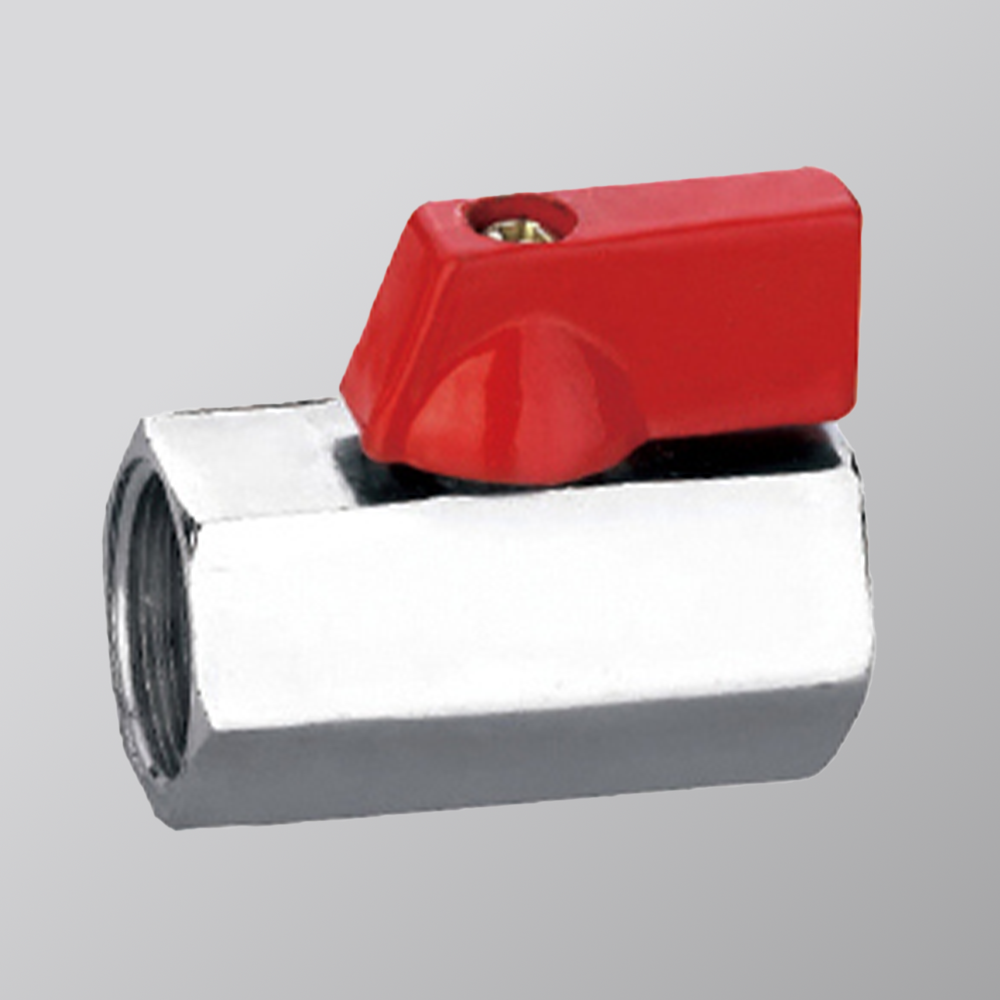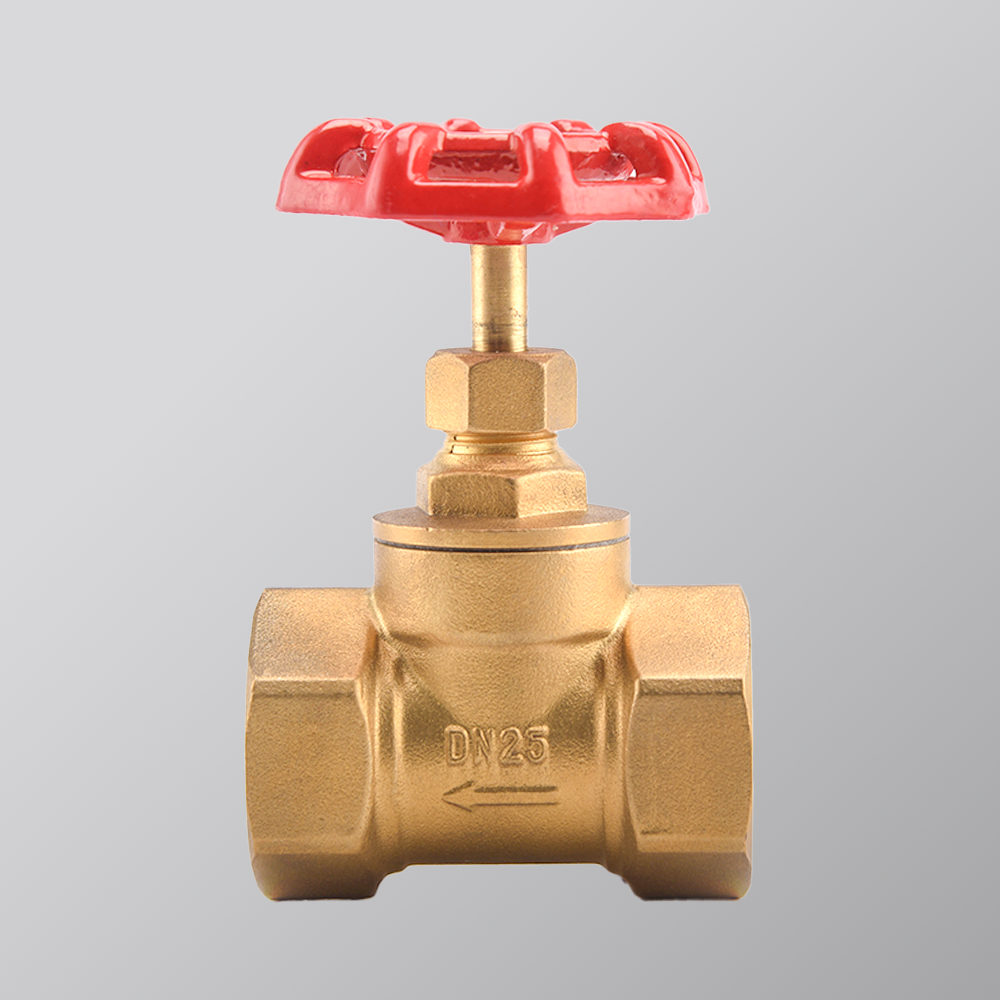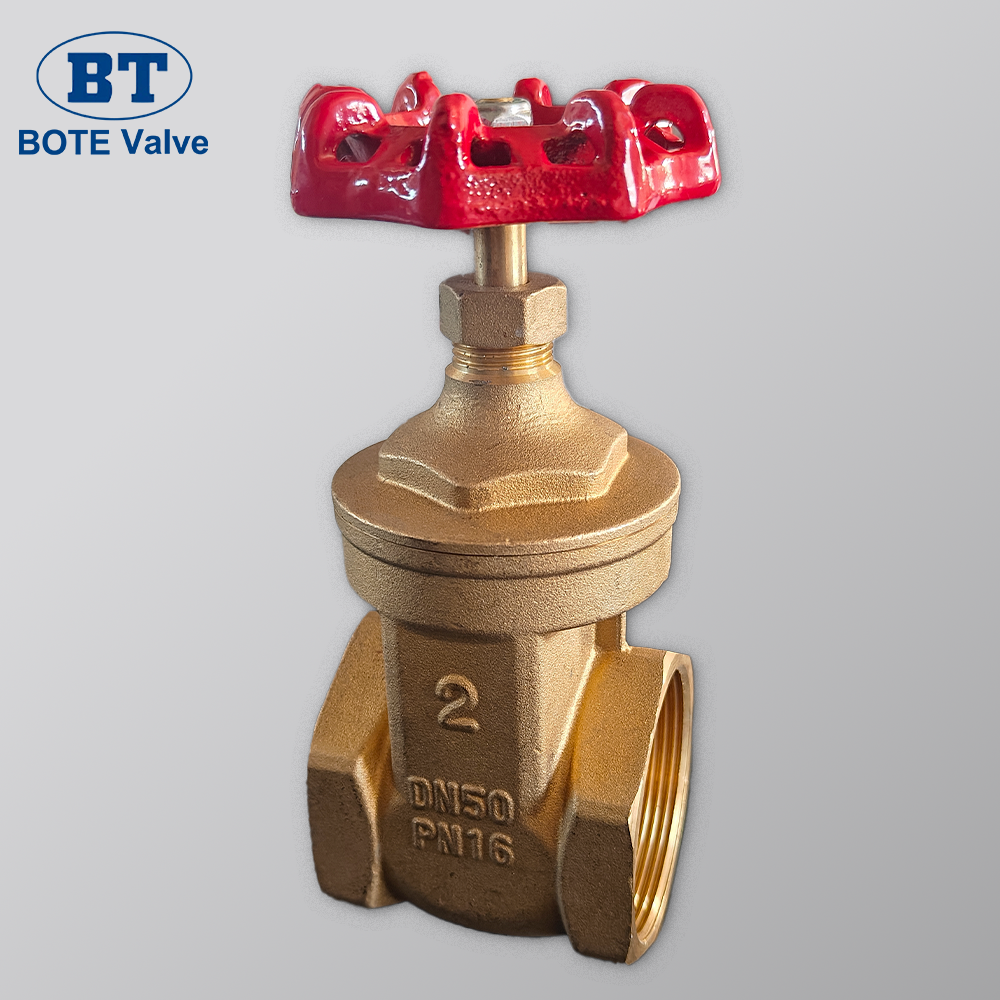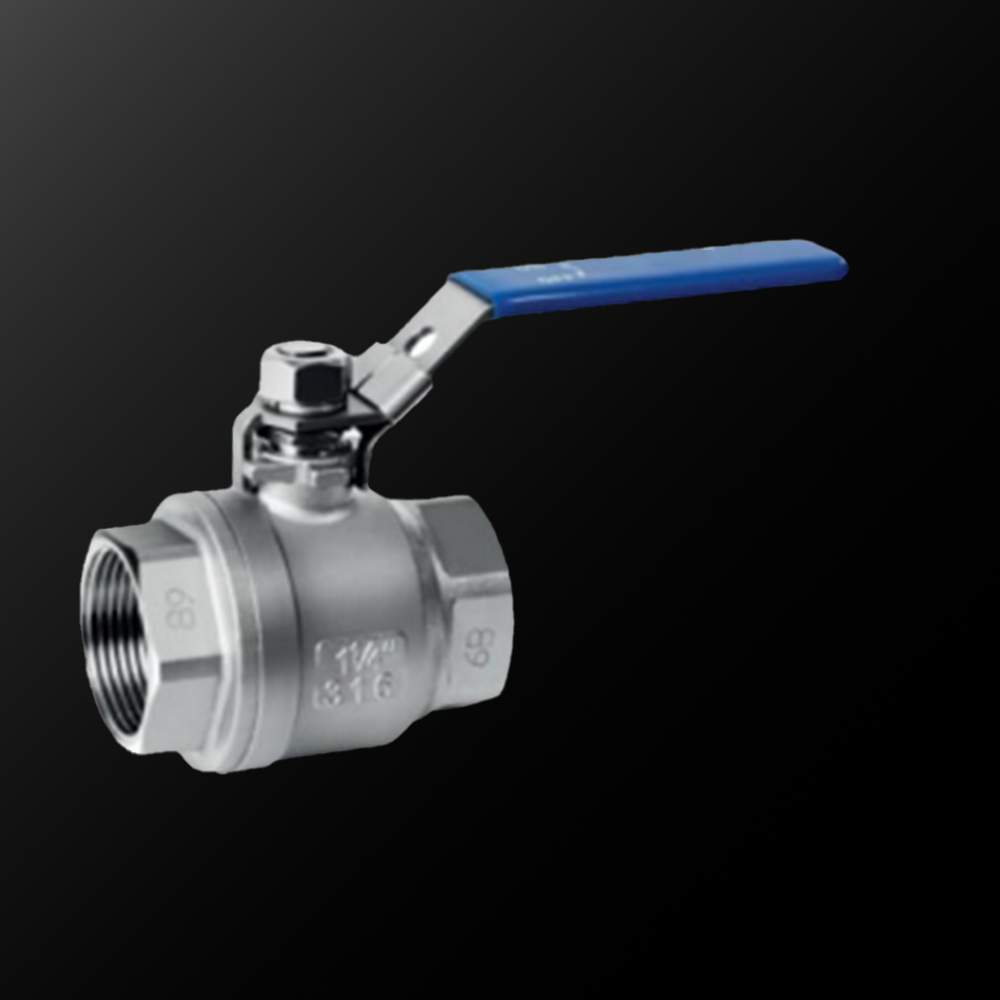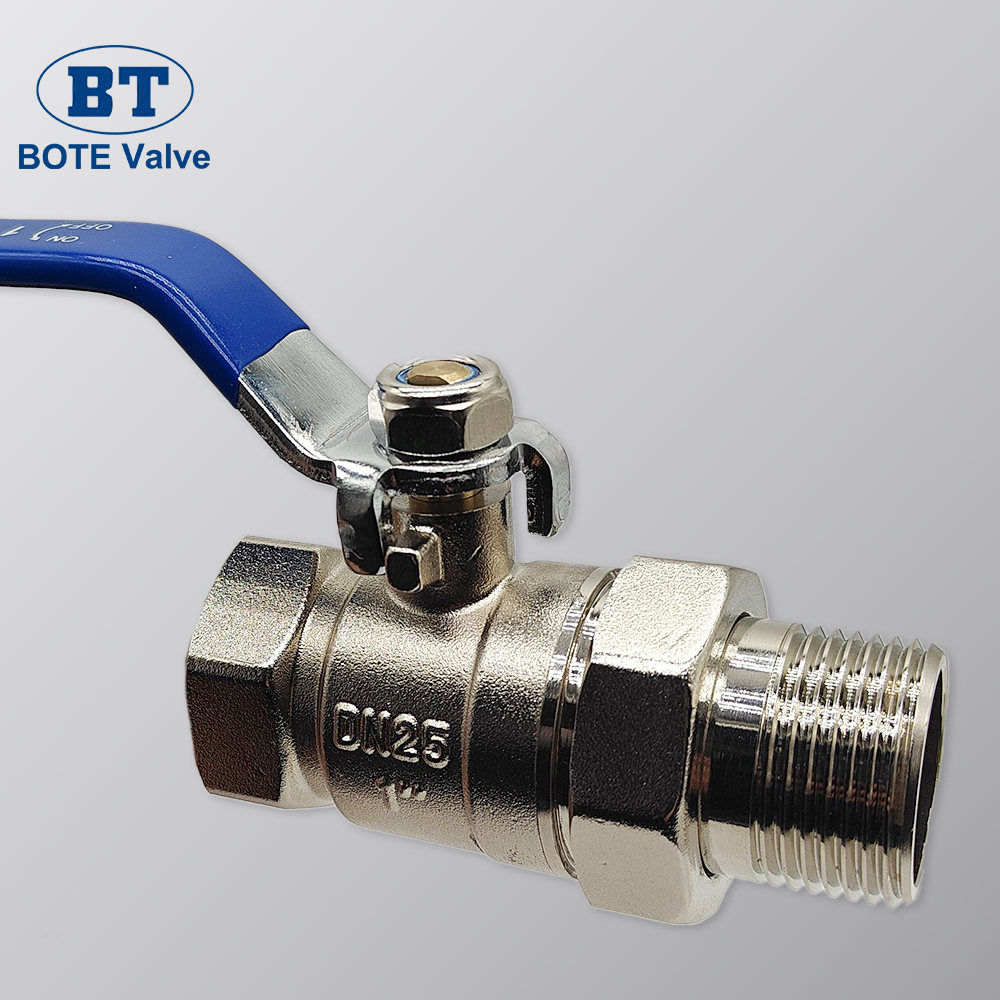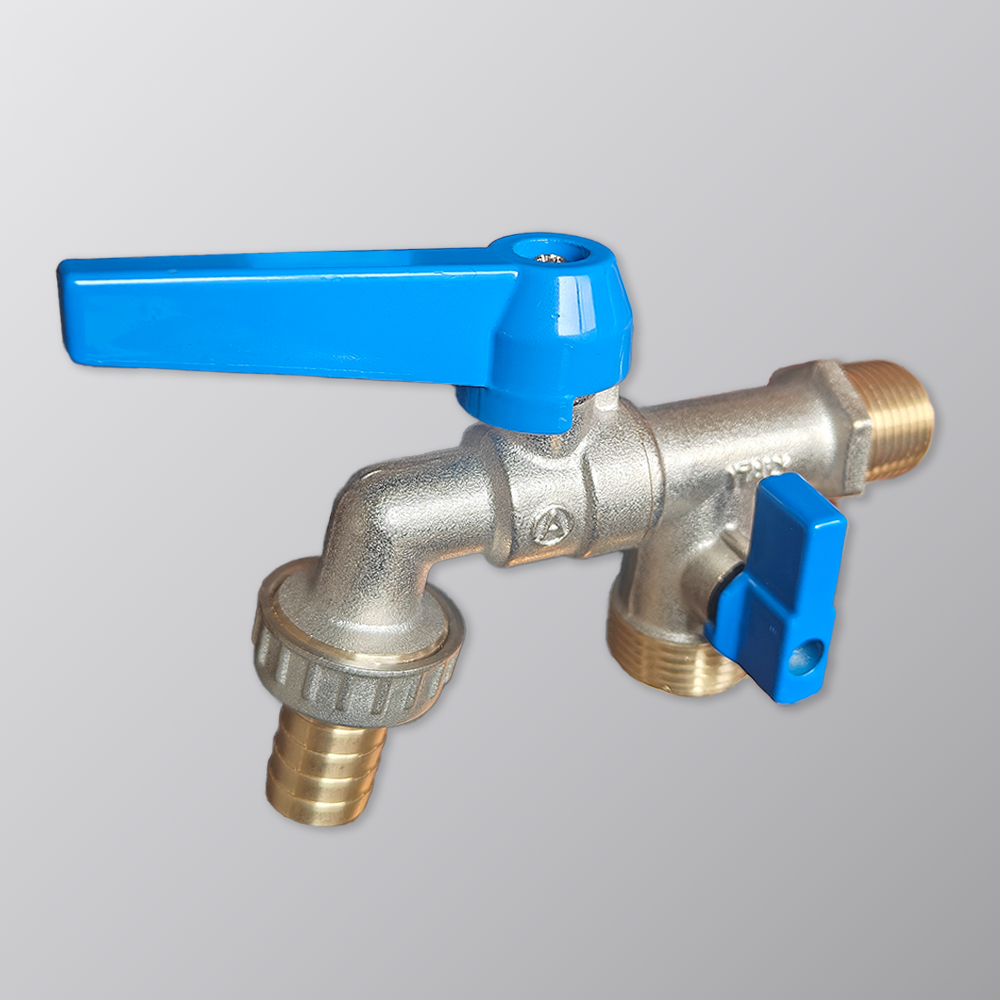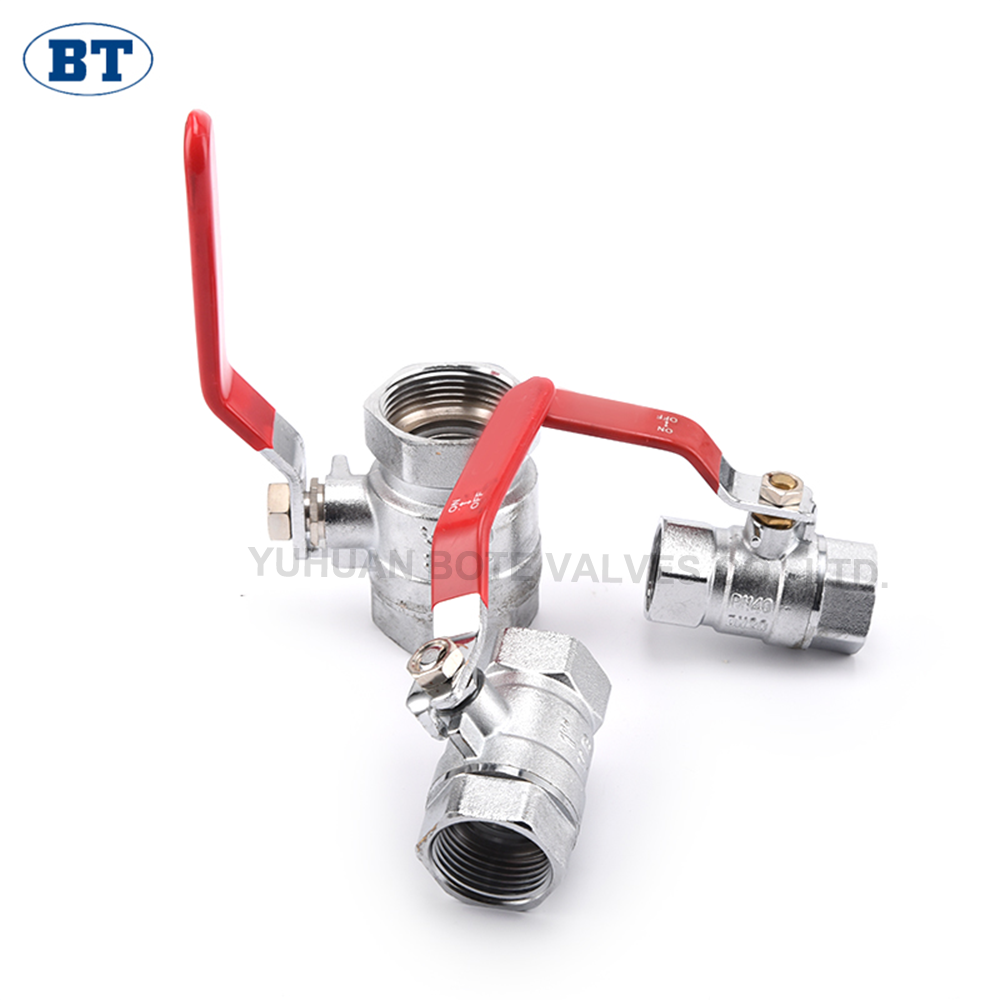
Brass ball valves play a key role in today's water management systems, offering dependable flow control whether in homes, offices, or factories. The basic idea behind these valves is pretty straightforward: there's a ball inside with a hole through the middle. When the hole lines up with the pipe, water flows through. Rotate the ball 90 degrees and it blocks the flow entirely. This simplicity makes them great for controlling water flow, isolating sections during repairs, and stopping unwanted backflow that could contaminate clean water supplies. Brass stands out as a material choice because it holds up so well in damp conditions. It resists rust and lasts much longer than other metals would. Choosing the right brass ball valve matters a lot too. Studies on water systems suggest good selections can cut down maintenance expenses by around 40% while making the whole system run smoother hydraulically over time.
Ball valves work on a quarter turn mechanism that lets operators open or close them quickly, getting from full flow to completely shut off within just a few seconds. This kind of quick action is why many plumbers and engineers prefer brass ball valves when dealing with emergencies or making regular adjustments around the system. The lever handle gives feedback too. When it's lined up with the pipe, the valve is open. When it stands at right angles, it means the valve is closed. This simple design helps prevent mistakes by workers who might otherwise get confused. According to field reports, systems equipped with these quarter turn valves respond about 30 percent faster during pressure issues than those with older multi turn models. Faster responses mean better reliability overall and less wasted water throughout the system.
Brass ball valves work well in all sorts of different settings. Home plumbers install them as primary shut off points and controls for fixtures because they last long and are easy enough for anyone to operate. When it comes to industrial settings, manufacturers prefer full port versions since they let fluids pass through without much resistance, which matters a lot in cooling systems or when handling chemicals. Water treatment plants around the country depend on brass ball valves too, especially where the water chemistry can be pretty harsh and pressure levels tend to change throughout the day. These valves keep working even when conditions aren't perfect. That's probably why so many industries still stick with ball valve tech for their water systems despite all the newer options available today.
Selecting suitable materials means finding the sweet spot between how well something works, how long it lasts, and what it costs. Stainless steel holds up great under pressure in factories and heavy industry, whereas PVC pipes are lighter weight and won't react to chemicals, making them good for homes where pressure isn't so intense. Brass tends to come out on top for everyday uses though. The latest report from Materials Performance in 2024 shows that around 60 percent of plumbers install brass ball valves in both houses and businesses because they resist rust pretty well, hold up mechanically, and don't break the bank either. Made from copper mixed with zinc, brass handles different temperatures without issues and generally gives better bang for buck compared to those expensive specialty metals most folks can't afford anyway.
Brass stands up to corrosion really well when exposed to constant moisture, unlike many other materials that start breaking down over time. Copper in brass creates this protective layer called patina that stops rust from forming, and the zinc component helps fight against dezincification issues in harsh water environments. Field tests indicate that brass ball valves can last for decades inside city water systems without showing signs of failure, something cheaper alternatives often struggle with as they tend to develop pits, cracks around joints, or suffer from stress related damage. The lasting nature of brass means these valves require very little upkeep throughout their service life, making them a smart choice for critical infrastructure applications.
Brass is really tough stuff when it comes to mechanical performance. It can handle thousands of those open and close movements without any real issues with seals breaking down or performance dropping off. Tests have shown that even after sitting in regular plumbing systems for about twenty years, brass still holds onto around 95 percent of what it originally had in terms of tensile strength. That's way better than what we see from those plastic based valves out there. Plus, brass has this natural smoothness quality that actually helps reduce friction on those important sealing areas. All these factors together mean brass offers good value for money over time. Systems last longer before needing replacement, and there's less hassle with unexpected shutdowns or repairs down the road.
Full port ball valves work because their bore diameter matches the pipeline itself, so when these valves are open there's basically no obstruction to the flow. The internal diameter stays consistent with what's already in place, which means no restrictions on how fluid moves through. On the other hand, reduced port valves have a much smaller opening inside them, sometimes as small as 40 percent compared to full port ones, and this creates a narrower passage for whatever needs to flow through. Sure, these smaller valves take up less space and generally cost less money upfront, but there are definitely some downsides when it comes to how well they handle liquids under pressure. Full port versions will usually set someone back about 20 to maybe even 30 percent extra because they need more materials and simply take up more room, yet engineers still go for them whenever maintaining maximum flow efficiency matters most in industrial settings.
When it comes to selecting between full and reduced port designs, the impact on system hydraulics can be pretty substantial. Full port valves basically eliminate pressure loss almost entirely, which means flow rates stay consistent and pumping requirements drop by around 15% in those big volume applications. On the flip side, reduced port valves tend to cause pressure drops ranging from 1 to 5 psi based on how fast the fluid moves through them, and this extra resistance adds up to increased energy bills over time. Systems that need maximum flow performance, like water distribution networks for cities or processing plants, really benefit from full port valves even though they cost more initially. The smaller reduced port versions still work well enough when installation space is tight and getting every last bit of flow efficiency isn't absolutely critical.
Today's brass ball valves come equipped with reinforced PTFE seats and stem seals that can handle pretty extreme temperatures ranging between minus 20 degrees Celsius all the way up to 200 degrees. The actual brass ball inside gets machined to create a tight fit against these sealing parts, so there's basically no gap left even after thousands of open/close cycles. According to various tests on fluid control systems, these valves manage to prevent leaks at around 99.8 percent effectiveness when under pressure. That makes them stand out compared to other valve types, especially important for installations where even small drips could mean significant water waste or structural problems over time.
Getting a good seal against leaks makes all the difference when it comes to keeping water systems safe and dependable. Cities that have switched to brass ball valves report about 40% less need for repairs over time. Why? These valves resist rust pretty well and come with two separate seals so water doesn't escape either inside or outside the pipe. For drinking water systems specifically, this kind of reliability means cleaner water stays in the pipes longer without getting contaminated. And there's less wasted water too. This matters a lot in places where fresh water is already running short. When communities can't afford to lose even small amounts of water, these valves help make sure every drop counts toward meeting daily needs instead of disappearing through cracks and faulty connections.
Brass ball valves show up everywhere from home bathrooms to big office buildings because they last forever and work so easily with just a quick quarter turn. Most people love how simple it is to cut off the water when fixing something around the house. Plus, brass doesn't rust easily, so these valves keep working properly even after years of handling drinking water. When installed in commercial properties, these valves manage water flow to sinks, toilets, and those big heating and cooling systems throughout the building. The way brass conducts heat actually helps maintain consistent temperatures in these systems. And let's not forget about those tight seals that stop leaks completely. Less dripping means less wasted water on the meter, which translates into real money saved on monthly bills for property managers and homeowners alike.
Brass ball valves work pretty well in both industrial settings and water treatment facilities, handling all sorts of pressure changes and exposure to chemicals without breaking down. These valves are especially important in chemical processing operations because they resist corrosion so well. Many plants rely on them in filtration systems and water softeners where getting a good seal when needed is absolutely critical. Cities put these valves to work controlling irrigation systems and isolating sections of pipelines. Their tough construction means they can keep running nonstop even in tough conditions. The full port design really makes a difference in big systems too. It helps maintain proper hydraulic efficiency across the whole network, which means less pressure drop overall. Plus, when maintenance needs to happen, technicians can isolate sections securely without worrying about leaks or failures.
 Hot News
2025-07-08
2025-07-03
2025-07-02
2025-12-08

YUHUAN BOTE VALVES CO., LTD. provides high-quality industrial valves for oil, gas, and water systems. Durable, corrosion-resistant designs ensure reliable performance. Trusted by global engineers. Request a quote today.
YUHUAN BOTE VALVES CO., LTD. TAISHAN INDUSTRIAL ESTATE, QINGGANG TOWN , YUHUAN COUNTY ,ZHEJIANG ,CHINA
Copyright © 2025 by YUHUAN BOTE VALVES CO., LTD. Privacy Policy
 EN
EN