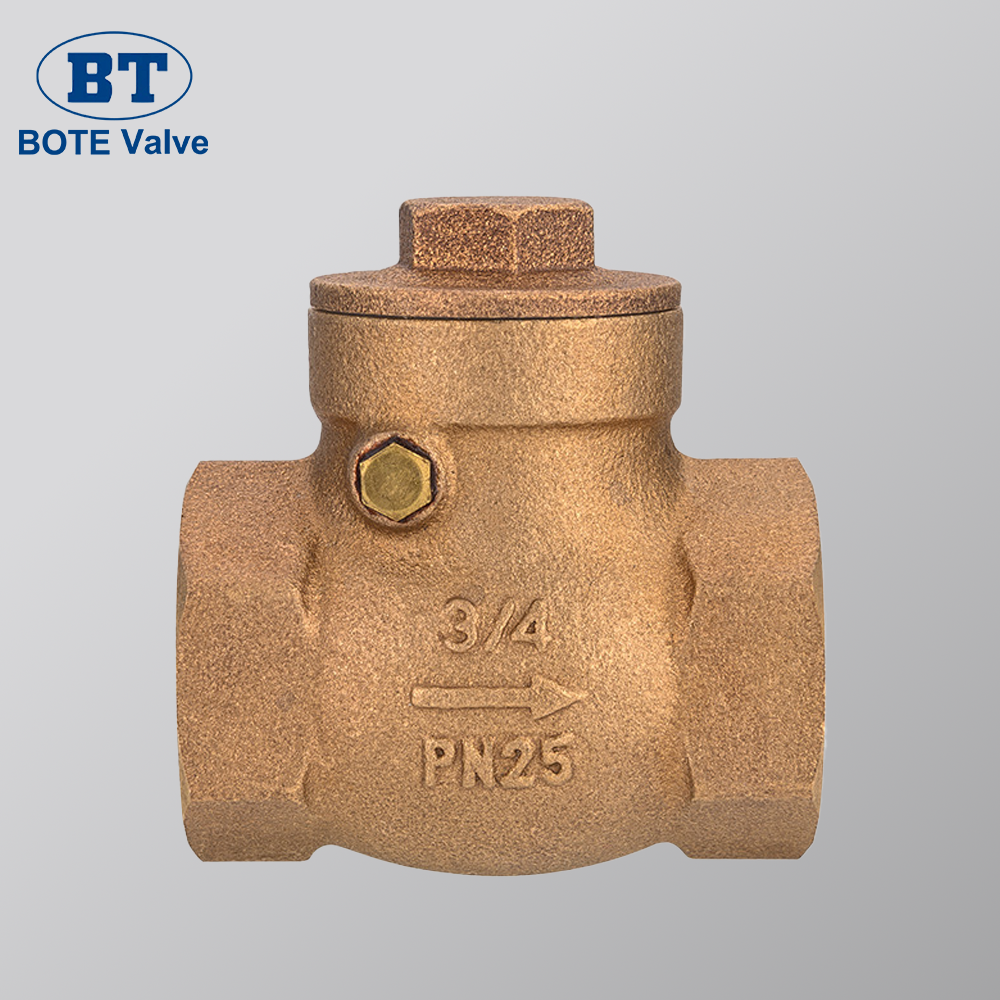
Check valves keep fluids moving in one direction only thanks to clever engineering like floating discs, swinging gates, or those spring-loaded balls we all know from basic plumbing classes. When things are flowing properly forward through the system, these parts stay open. But if there's any backward pressure trying to sneak through, they shut down fast. This quick reaction stops unwanted mixing between different parts of the system and keeps everything running at stable pressures. For industrial applications where timing matters, high end versions like dual plate check valves can slam shut within half a second flat. According to research published last year in Fluid Control Journal, these advanced designs cut down on pressure losses by around 40 percent compared to older models still kicking around many facilities today.
When backflow happens, it often leads to cavitation which wears away pump impellers and bearings pretty fast sometimes faster than 0.2 mm per year. That's where check valves come into play they keep things running smoothly by holding that positive pressure when pumps shut down. We've seen some impressive results too. A study from the Hydraulic Institute in 2023 showed that these special valves for preventing reverse rotation cut down on centrifugal pump problems by around 35% across five years in hydrocarbon transfer setups. Makes sense why so many operators are now making them standard equipment these days.
One chemical processing facility managed to slash their pump replacement expenses by nearly three quarters following installation of spring assisted check valves across twelve different cooling water lines throughout the plant. These specialized valves effectively stopped those annoying water hammer vibrations which were responsible for breaking seals every single month before. Maintenance records show that what used to require fixing roughly every 11 weeks now lasts around 15 whole months instead according to data published in last year's Fluid System Reliability Report. For operations managers dealing with constant equipment breakdowns, this kind of reliability boost makes all the difference in budget planning and production continuity.
Persistent backflow accelerates corrosion in carbon steel pipelines by 3—5 times due to turbulence and oxygen entrainment. According to a 2022 ASME analysis, systems without check valves require 60% more annual maintenance, with 23% experiencing premature gasket degradation within 18 months of operation.
Check valves help prevent hydraulic shock because they seal on their own whenever the flow goes backward. When pumps shut down suddenly or other valves close quickly, those pressure waves zip through pipes at around 1,200 to 1,500 meters per second according to research from the American Water Works Association back in 2022. The best check valves close really fast too. Some top quality ones with springs can snap shut within just 25 to 50 milliseconds. This quick response stops water from bouncing back against itself and cuts down those dangerous pressure spikes by about 40 percent in main water lines across cities. Municipal engineers rely heavily on this kind of protection for their infrastructure systems.
Advanced silent check valve designs minimize pressure surges through:
Field data from 142 municipal water systems show these innovations reduce surge-related pipeline repairs by 78% over five years.
While rapid closure protects against water hammer, it introduces mechanical trade-offs:
The optimal approach integrates fast-response check valves with surge tanks or relief valves, creating layered protection that reduces maintenance costs by $18—$32 per valve annually.
Check valves are pretty much necessary components in any fluid system setup because they help keep things balanced when there are unexpected changes in operation. When the flow comes to a stop, these valves seal themselves off automatically which keeps the system primed and stops those annoying pressure drops that can really mess up performance. Take fire protection systems as an example. During maintenance work on these systems, check valves hold onto that crucial water pressure so everything stays ready to go at a moment's notice. The importance of this feature has been highlighted quite a bit lately in various hydraulic safety research papers, including one from last year's Fluid Dynamics Report that makes similar points about their value.
During pump shutdowns, check valves isolate downstream components to:
In transient events caused by pump failure or valve misoperation, check valves react within milliseconds to:
This dual functionality prevents cascading failures and allows safe isolation of damaged zones—a strategy optimized using transient simulation software during system design.
Precision sealing in check valves prevents unintended mixing in multi-stream operations. In chemical plants, properly maintained check valve seals reduce cross-contamination risks by 87% compared to unsealed systems (FPCI 2023). Dual-seat configurations and elastomeric seals form reliable barriers between incompatible fluids, while routine inspections ensure long-term sealing integrity.
Environmental safety relies heavily on check valves to stop dangerous fluids from escaping when pumps shut down or lines break. According to industry data from North Industrial back in 2023, plants that pair automatic check valves with proper spill containment systems see about two thirds fewer chemical spills than those without this setup. For places dealing with serious risks, spring loaded check valves that close quickly make all the difference. Think about petroleum transfer stations where small leaks can turn into major environmental disasters over time. These fast acting valves literally act as the last line of defense against contamination spreading beyond controlled areas.
 Hot News
2025-07-08
2025-07-03
2025-07-02
2025-12-08

YUHUAN BOTE VALVES CO., LTD. provides high-quality industrial valves for oil, gas, and water systems. Durable, corrosion-resistant designs ensure reliable performance. Trusted by global engineers. Request a quote today.
YUHUAN BOTE VALVES CO., LTD. TAISHAN INDUSTRIAL ESTATE, QINGGANG TOWN , YUHUAN COUNTY ,ZHEJIANG ,CHINA
Copyright © 2025 by YUHUAN BOTE VALVES CO., LTD. Privacy Policy
 EN
EN