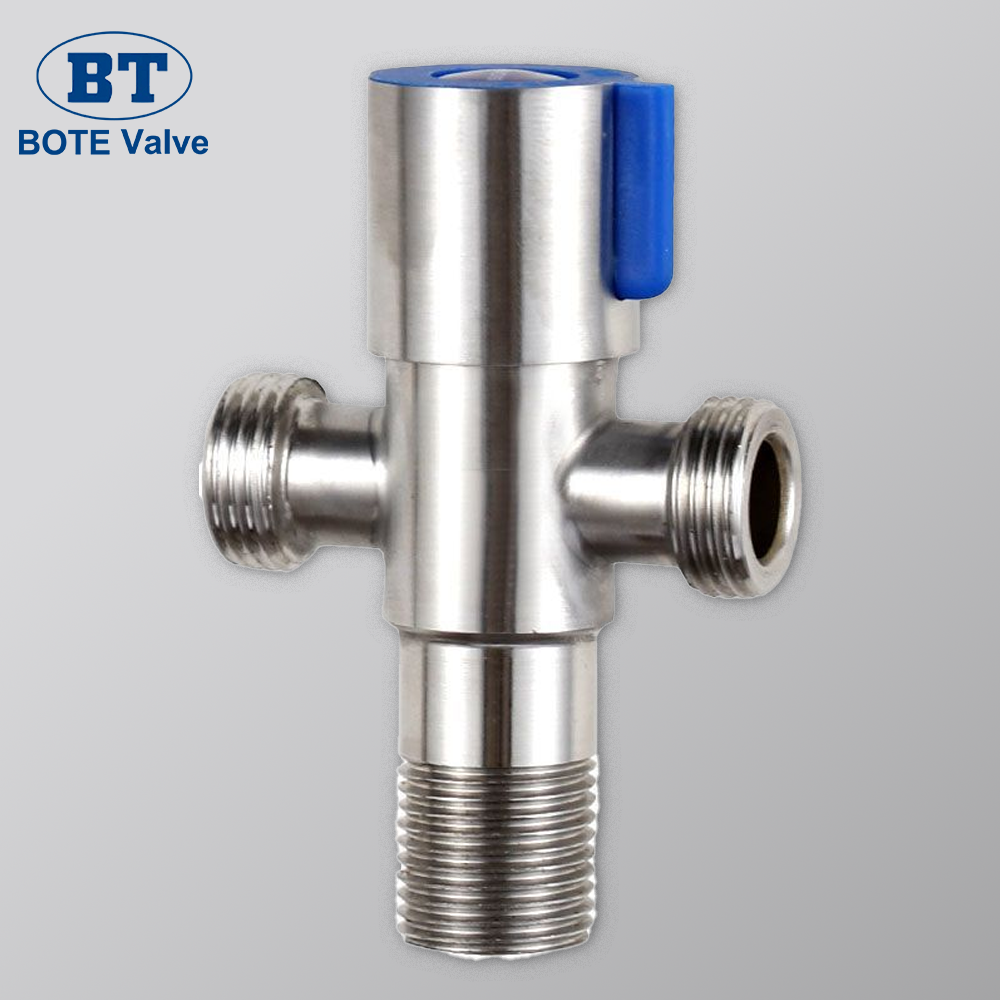
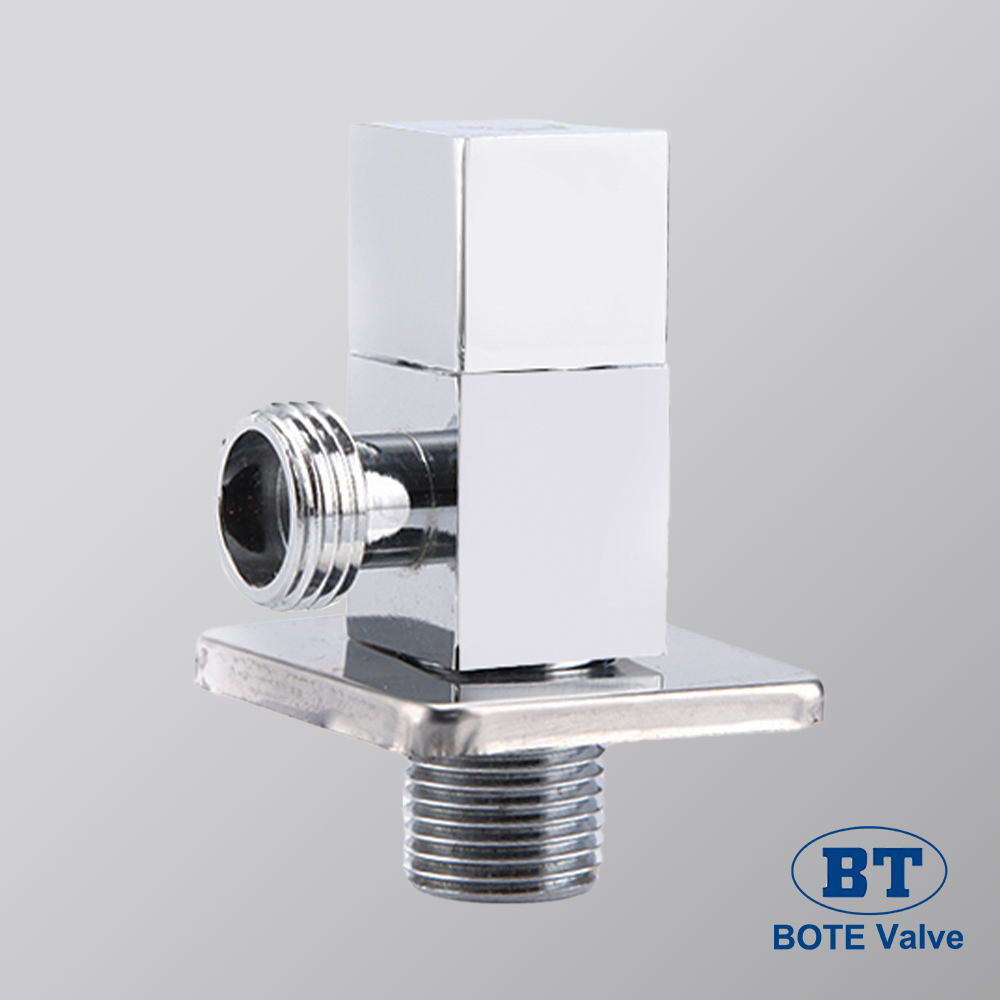
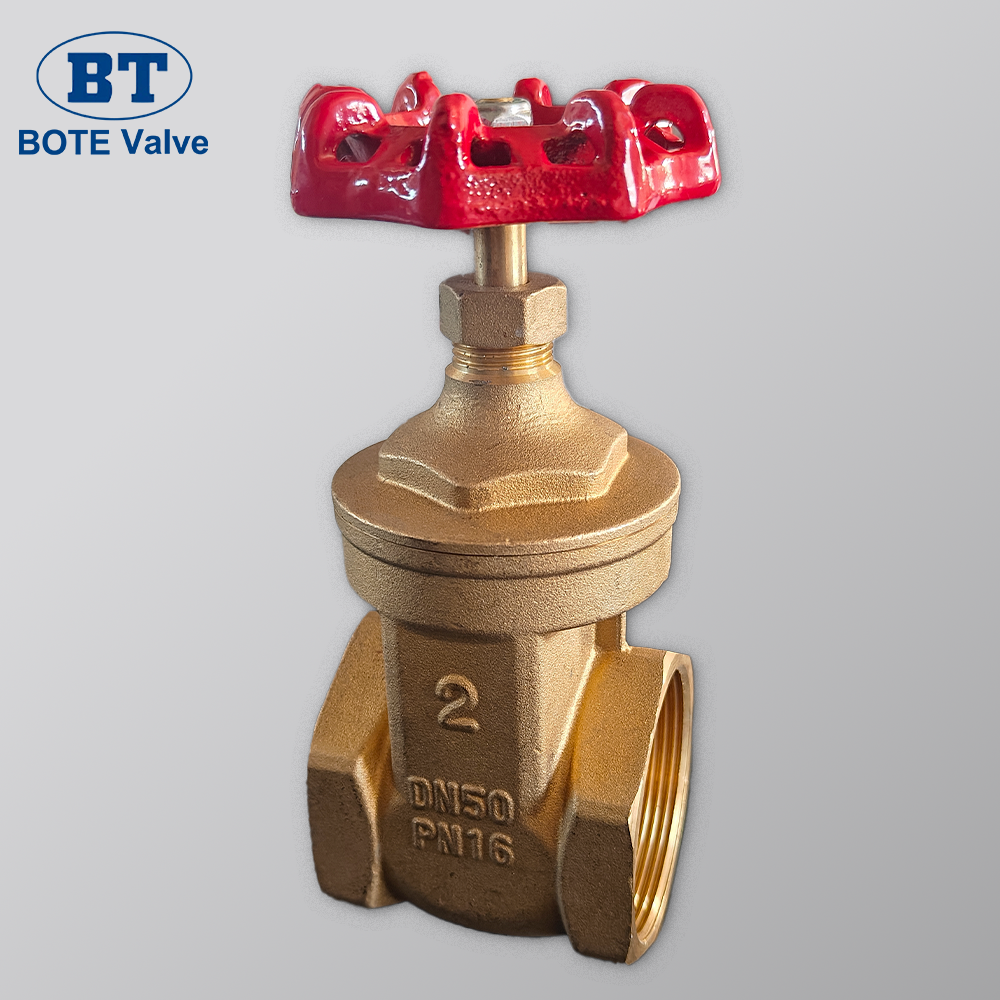
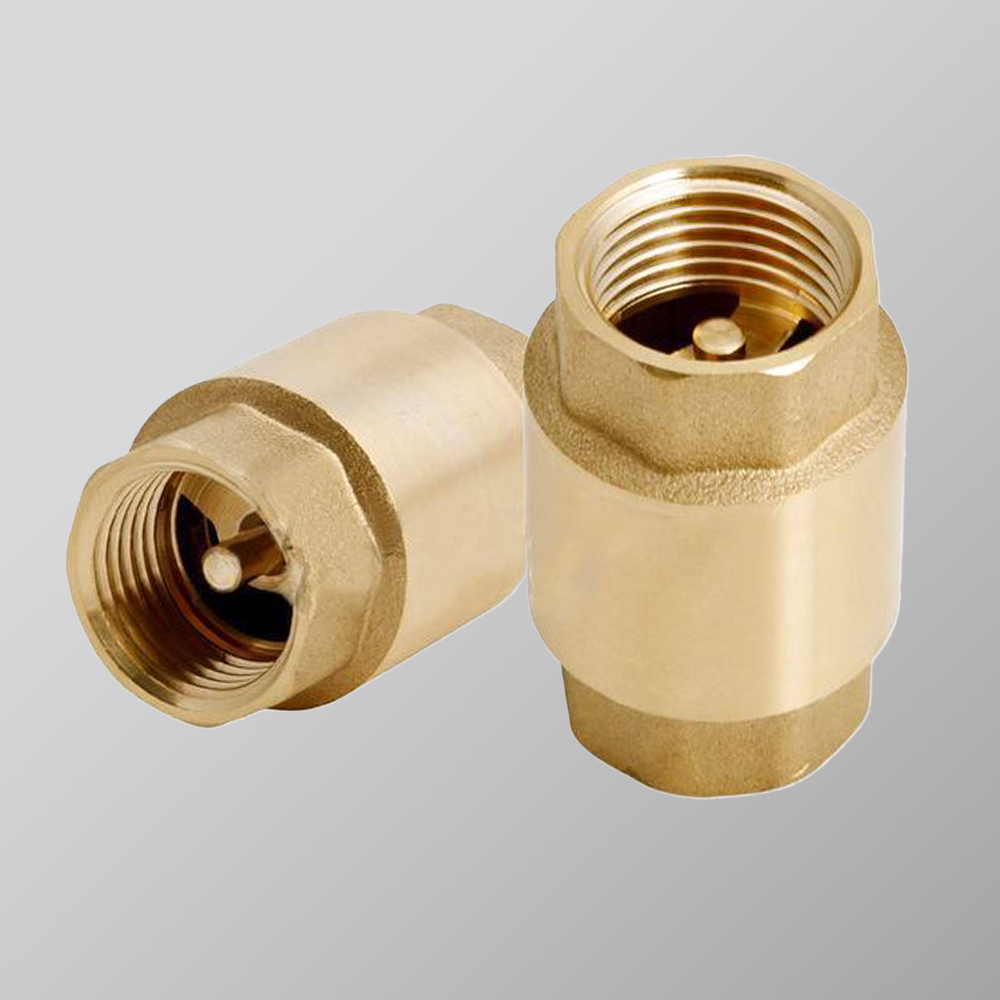
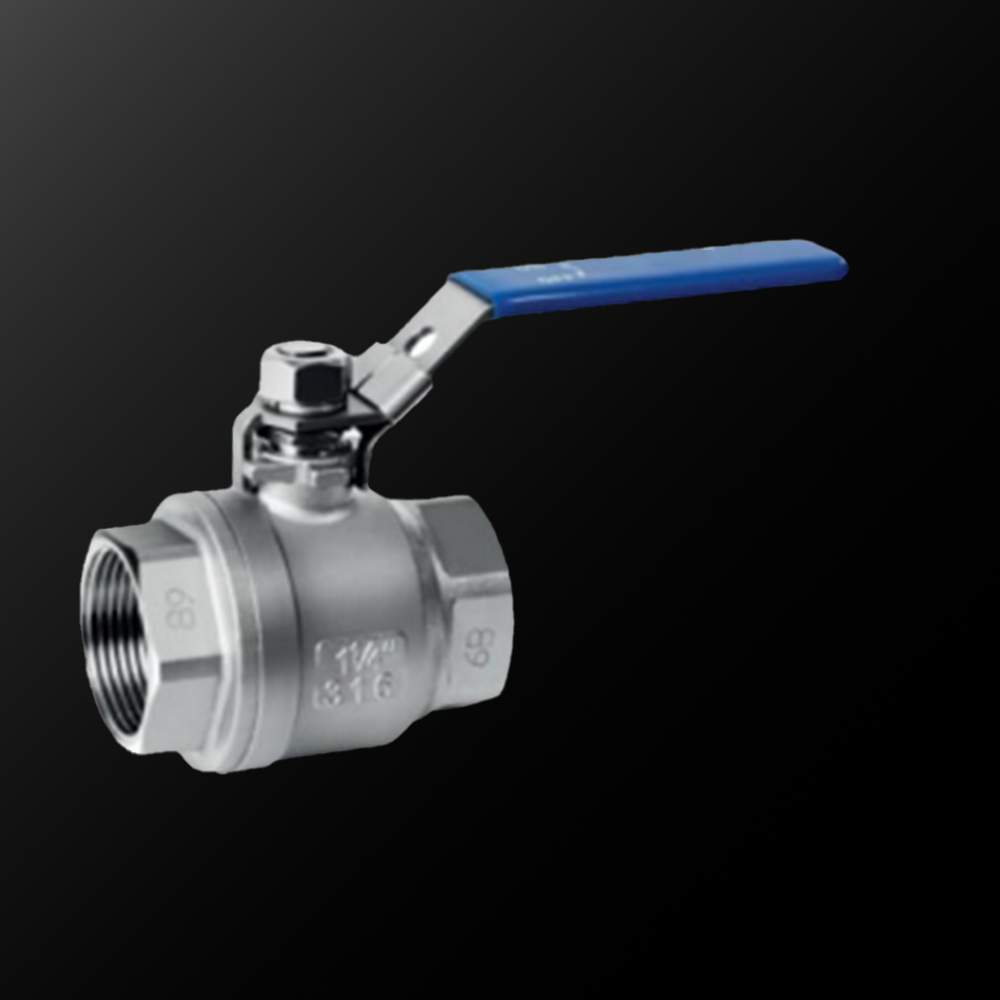
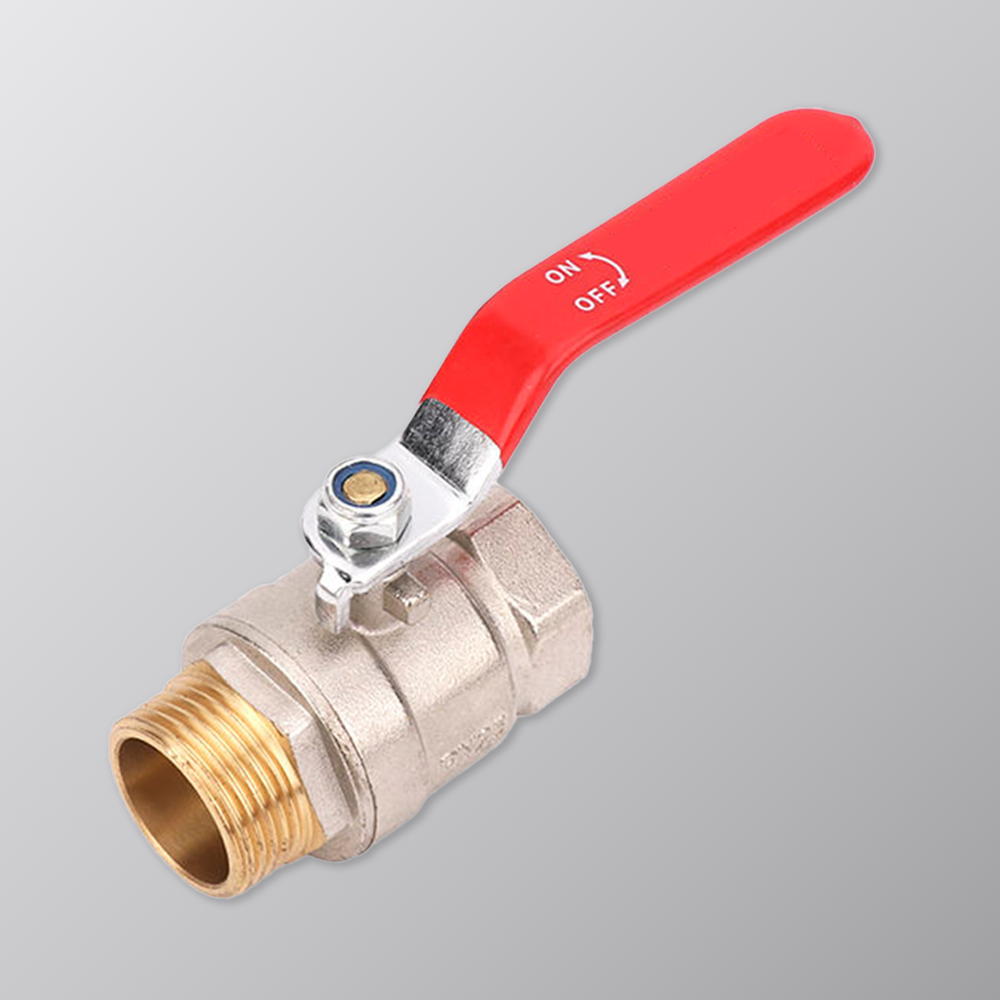
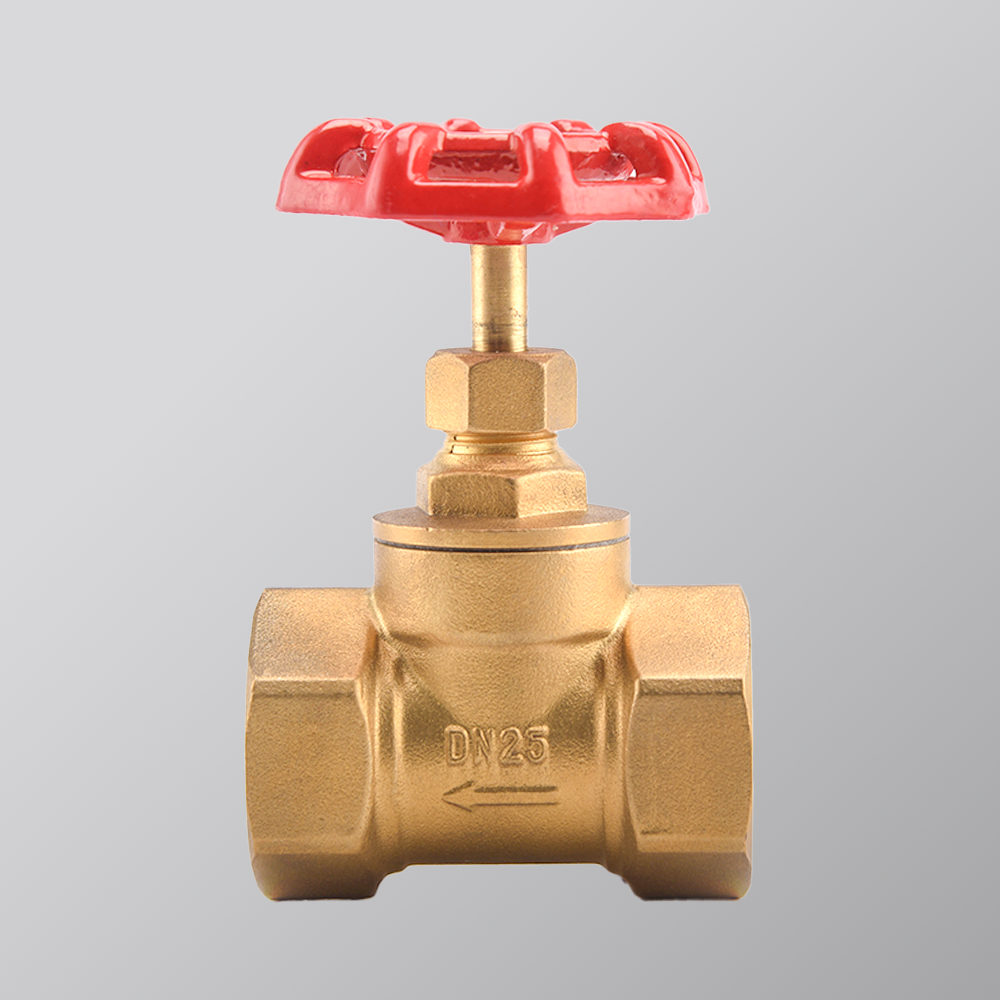
Brass valves deliver unmatched longevity in plumbing systems due to their unique material composition and engineering properties. As an alloy of copper (55–65%) and zinc, brass combines corrosion resistance with mechanical strength, outperforming plastic and steel alternatives in demanding environments.
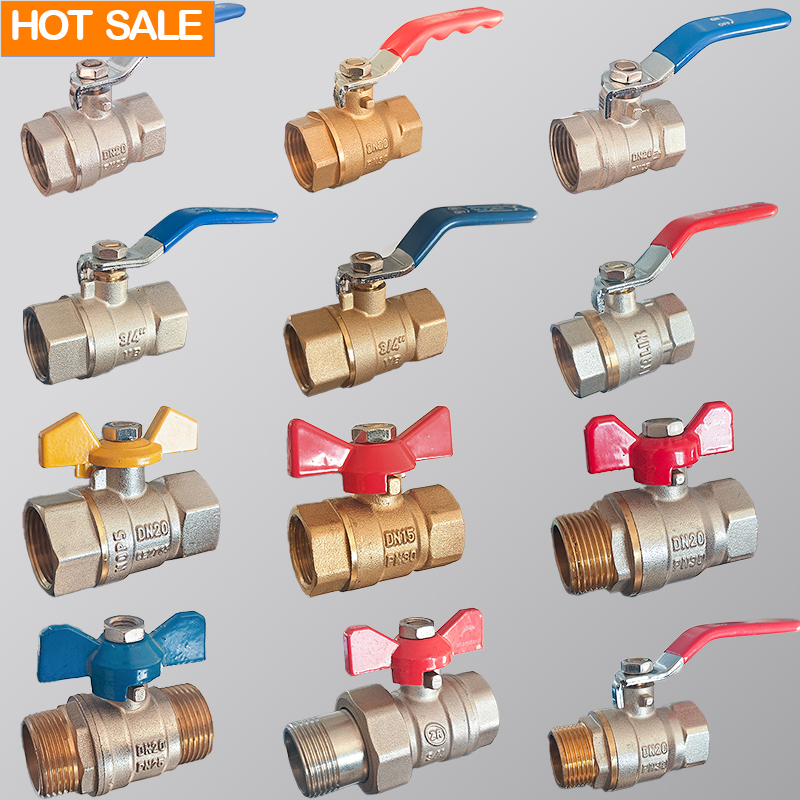
The copper-zinc alloy structure enables brass to resist stress cracking while maintaining ductility. This balance allows valves to absorb water hammer effects—up to 1.5× more effectively than PVC—without compromising seal integrity.
Brass maintains over 95% surface integrity after 20+ years in hard water environments (Vpexco, 2023), compared to galvanized steel’s 63% integrity loss within 5–7 years. Its low electrochemical potential minimizes galvanic corrosion when connected to dissimilar metals.
| Material | Avg. Lifespan | Failure Rate/Year | Maintenance Cost Decade |
|---|---|---|---|
| Brass | 25–40 years | 0.8% | $120 |
| PVC | 8–12 years | 3.1% | $490 |
| Galvanized Steel | 15–20 years | 1.9% | $310 |
According to the 2024 Plumbing Materials Study, brass valves last three times longer than plastics in aggressive water conditions. Mechanical Longevity Research confirms brass retains 97% of its original flow capacity after 15 years, compared to 78% for steel.
Brass valves withstand 2.5× the torsion stress of equivalent PVC valves before yielding. With a yield strength of 105–125 ksi, they resist thread stripping during installation while enabling precise flow control at low torque (15–20 lbf·in).
Brass valves achieve leak-free operation through precision-engineered features like tapered threads and reinforced compression joints. These maintain joint integrity under cyclic stress, with industry studies showing 98% sealing efficiency after 15,000 pressure cycles (Plumbing Standards Institute, 2023).
Multi-stage machining produces flush surfaces that prevent particulate entrapment, while integrated O-ring grooves support dual-sealing mechanisms. This design reduces potential leak paths by 73% compared to single-seal configurations.
Municipal audits show brass valves sustain 92% operational reliability over 25+ years across pressure ranges exceeding 150 psi. The zinc-copper alloy matrix resists micro-fractures caused by thermal cycling—common in plastic alternatives.
Independent testing reveals brass valves have an average annual failure rate of 0.2% in residential installations, significantly lower than the 2.1% seen with PVC. Over a 50-year lifecycle, brass requires 47% fewer replacements, according to NIST building material analyses.
Brass naturally inhibits calcium carbonate buildup, retaining 94% flow capacity after ten years in hard water (¥180 ppm CaCO₃). Chromium oxide passivation layers self-repair minor damage from chloride-induced pitting, enhancing durability in saline environments.
## Widespread Applications in Modern Plumbing Infrastructure
Brass valves serve as critical control points in residential plumbing, regulating flow to sinks, toilets, and water heaters. Their corrosion-resistant properties make them ideal for potable water systems, where 82% of U.S. homes use brass components for main shutoff valves (Plumbing Manufacturers International, 2023). Unlike plastic alternatives, brass maintains seal integrity through decades of temperature fluctuations and water hammer events.
In large-scale applications, brass valves are used in HVAC systems, fire suppression networks, and industrial water lines. A 2023 ASTM International study found brass valves withstand 2.5× higher system pressures than zinc alloys in commercial settings. Their non-sparking nature meets safety standards in oil refineries and chemical plants, where 74% of operators specify brass for handling corrosive fluids.
Updated plumbing standards such as ASSE 1061 and IAPMO PS-63 now recommend brass valves for critical junctions. Municipalities in hard-water regions report 40% fewer valve replacements when using brass instead of steel (Urban Water Council, 2024). Over 78% of new U.S. commercial buildings install brass valves as primary flow controls, aligning with sustainability mandates for 50-year service life targets.
Although brass valves cost 15–20% more upfront than plastic options, their 50+ year service life offsets this premium. Data from recent plumbing material studies shows brass systems require 63% fewer replacements than PVC in residential setups, reducing labor costs by $240 per repair incident (2023 data).
Brass valves streamline plumbing projects through:
A 2023 lifecycle analysis compared 30-year costs for 100-valve systems:
| Material | Initial Cost | Maintenance Costs | Failure Rate |
|---|---|---|---|
| Brass | $2,800 | $320 | 4% |
| PVC | $2,100 | $1,450 | 27% |
| Stainless | $3,700 | $690 | 11% |
Brass valves offer a 28% lower total cost of ownership than stainless steel and 54% savings compared to PVC, confirming their value in both residential and infrastructure applications.
 Hot News
2025-07-08
2025-07-03
2025-07-02
2025-12-08

YUHUAN BOTE VALVES CO., LTD. provides high-quality industrial valves for oil, gas, and water systems. Durable, corrosion-resistant designs ensure reliable performance. Trusted by global engineers. Request a quote today.
YUHUAN BOTE VALVES CO., LTD. TAISHAN INDUSTRIAL ESTATE, QINGGANG TOWN , YUHUAN COUNTY ,ZHEJIANG ,CHINA
Copyright © 2025 by YUHUAN BOTE VALVES CO., LTD. Privacy Policy
 EN
EN