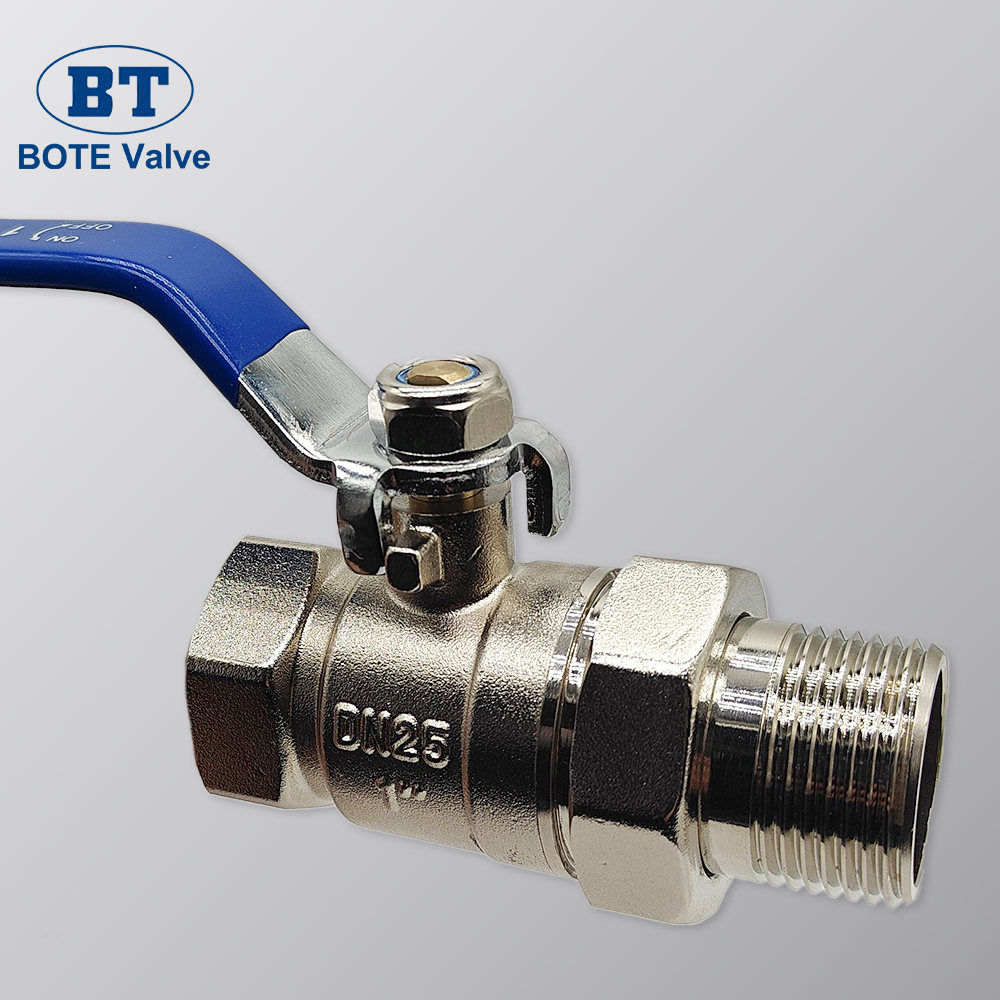
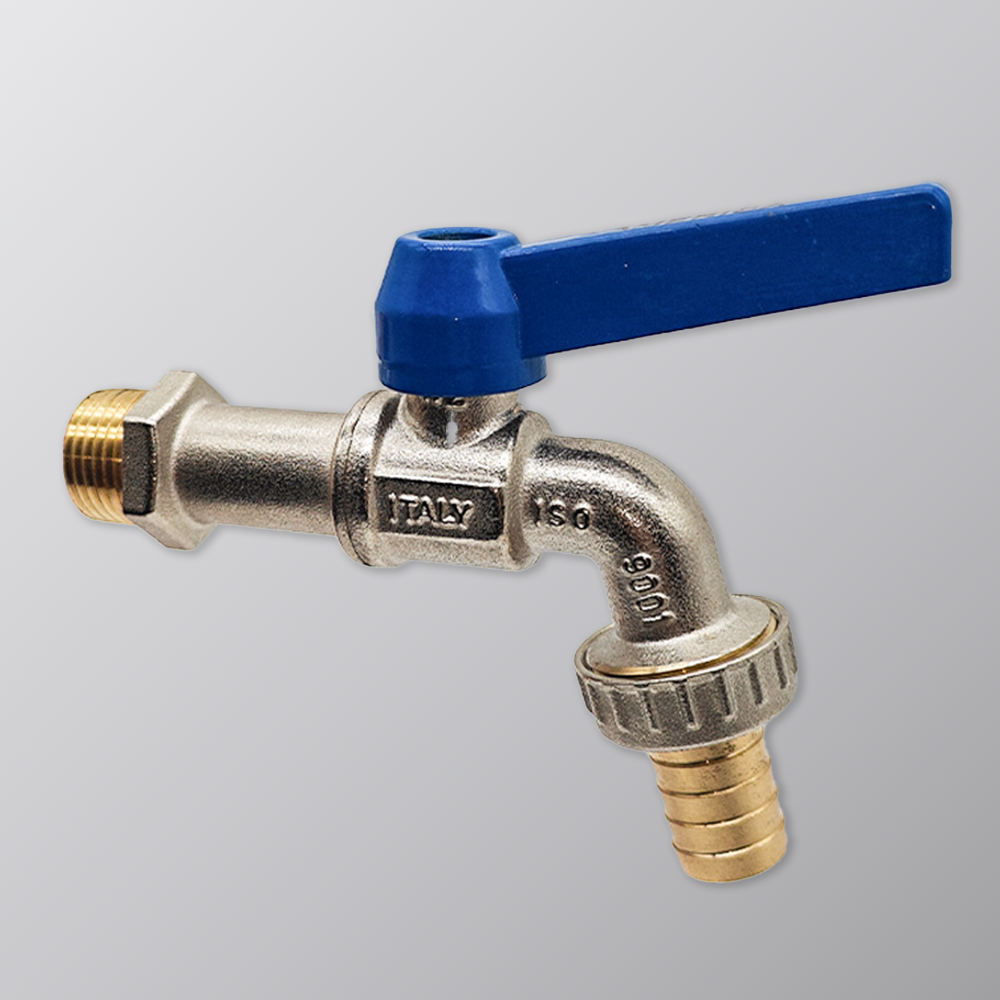
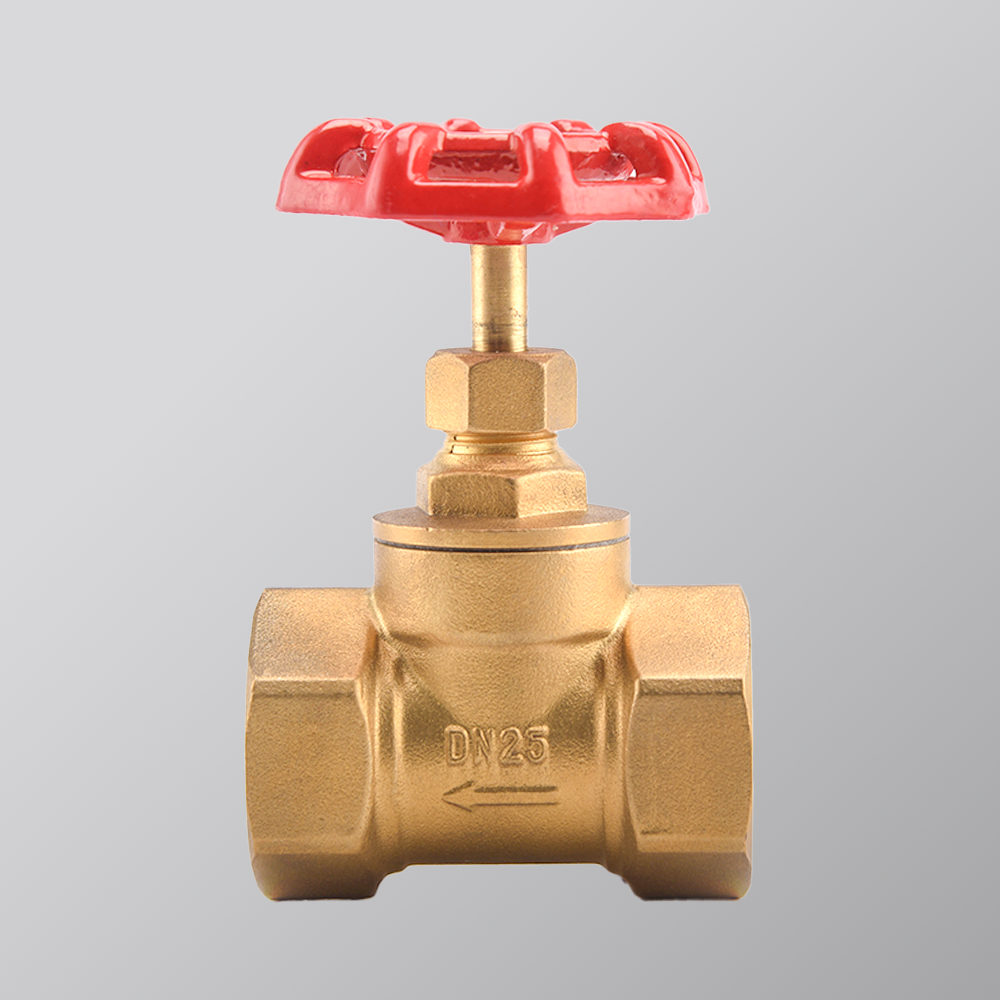
Water valves serve three fundamental purposes in fluid management systems: isolation, control, and backflow prevention. Proper valve selection begins with understanding these core functions and how different valve types fulfill specific operational requirements.
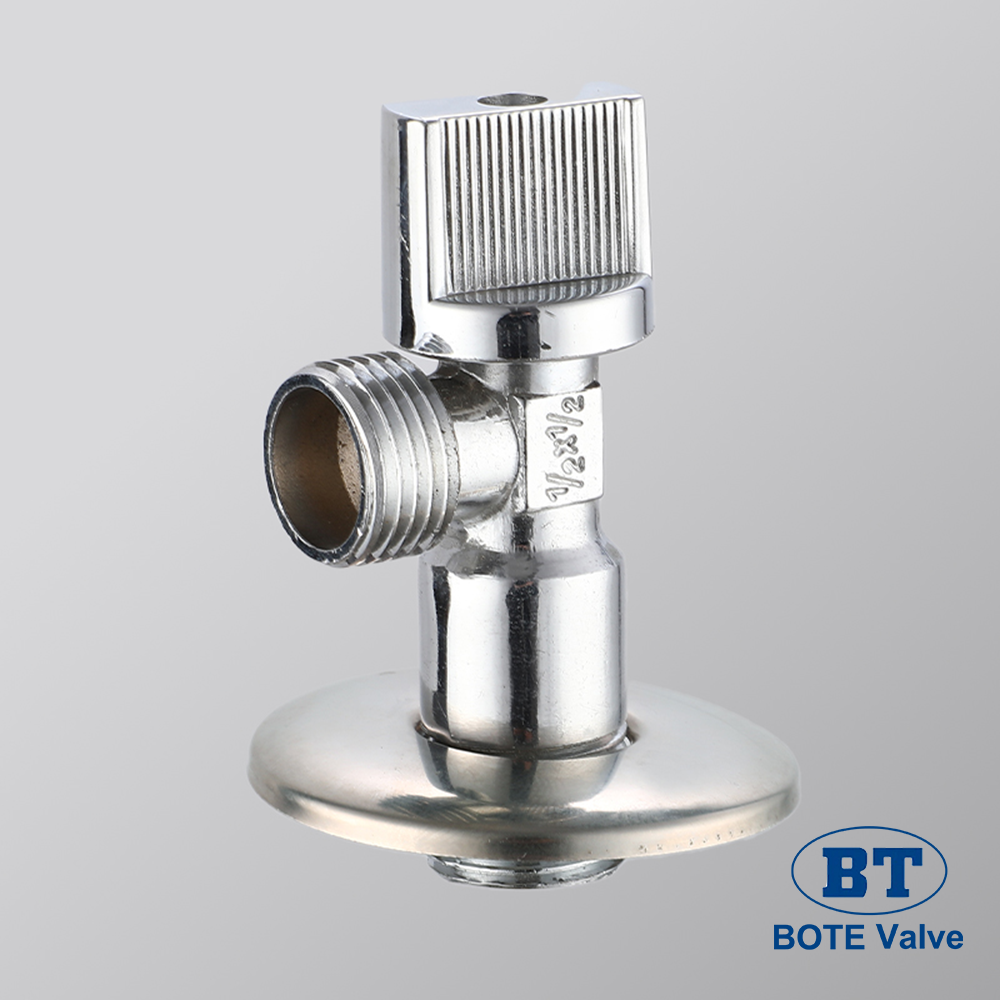
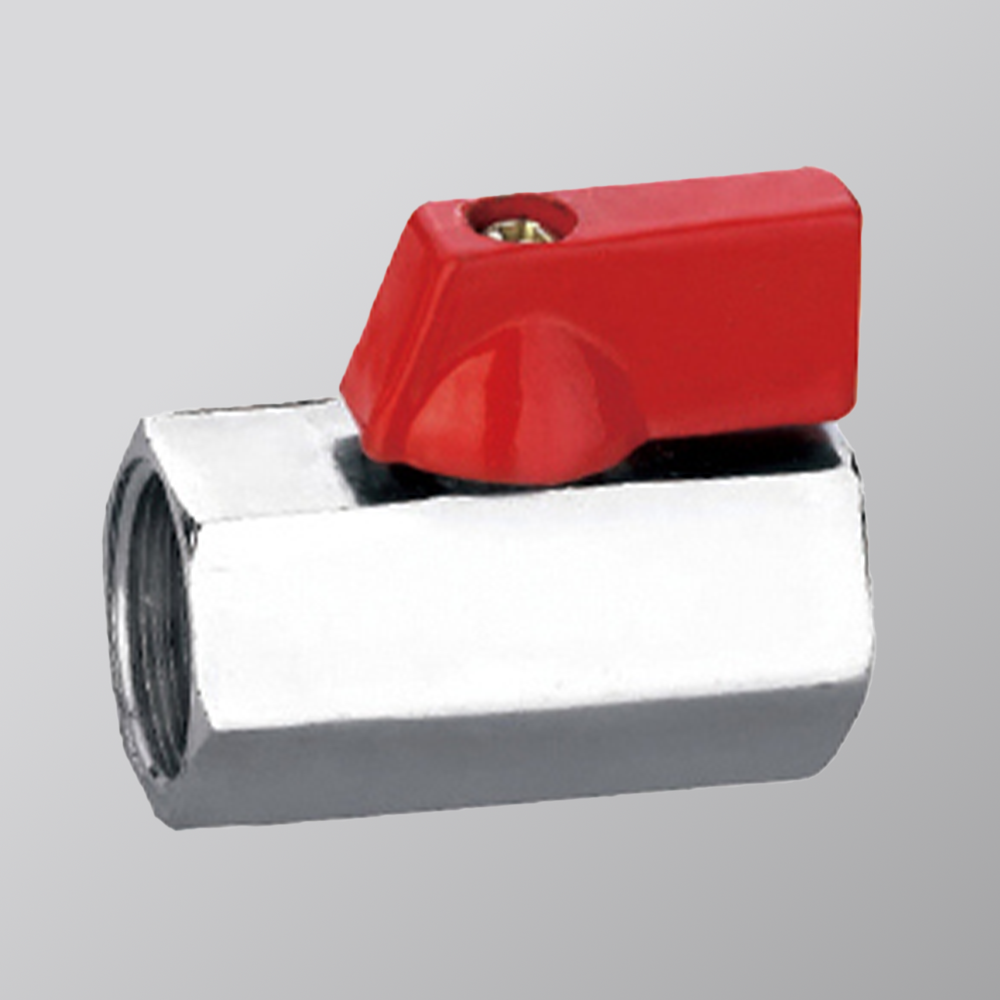
Valves that isolate sections of piping systems are essential for shutting off flow during maintenance work, emergency situations, or when changes need to be made to the system itself. Ball valves stand out because they can be opened or closed with just a quarter turn and maintain good seals even after repeated use, which makes them great choices for installations where operators need to adjust flow regularly. Gate valves create very little resistance to flow when fully open, but closing them takes several full rotations of the handle, so these tend to work best in places where isolation isn't needed often. For big diameter pipes running through industrial facilities, butterfly valves offer space saving advantages while still allowing smooth fluid movement across their surfaces. Some studies from major engineering firms suggest that picking the right type of isolation valve for specific tasks can cut down on maintenance delays by around 40 percent in municipal water treatment plants alone.
Control valves manage flow rates, pressure levels, and temperature adjustments by modulating instead of just switching between on and off states. Globe valves work particularly well for throttling tasks because they move in straight lines, giving operators better control over how much fluid passes through even when conditions change around them. Needle valves take this one step further for situations where only small amounts need to be controlled at once. Their special tapered shape lets engineers tweak settings down to the smallest detail. These types of valves become really valuable parts of any automation setup since they keep everything running smoothly without unexpected fluctuations. Many big manufacturing plants have seen their overall efficiency jump by about 25% after getting serious about installing the right kind of control valves throughout their operations.
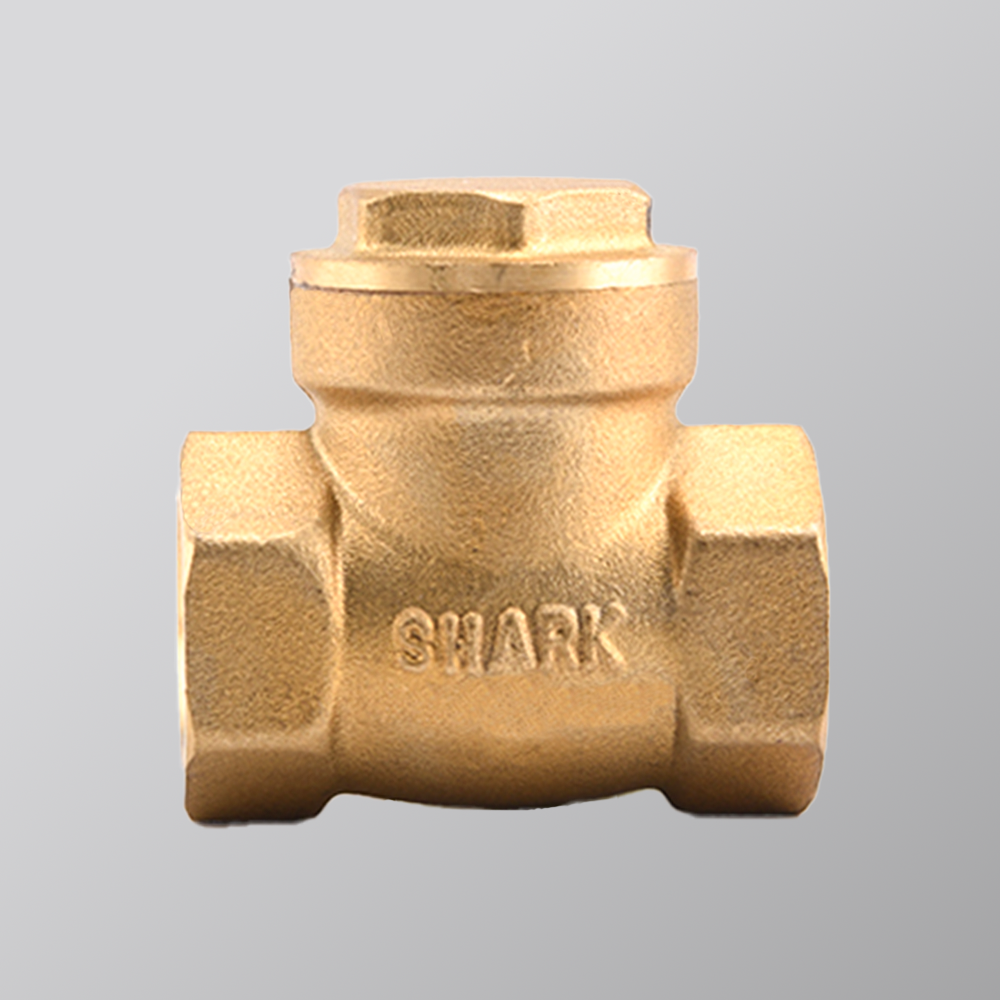
Check valves stop backward flow automatically, which protects equipment from damage and keeps water clean. Swing check valves let water go one way but shut tight when pressure comes from the wrong direction, so they work best installed horizontally. Spring loaded versions react quicker to changes and will function no matter what position they're placed in, giving engineers more options for installation. The dual plate type takes up less room while still allowing good water flow through them, making these particularly useful where there isn't much space available. Research indicates that choosing the right kind of check valve can actually stop around 90 percent of problems caused by water flowing backwards in distribution systems across the country.
Selecting the right valve type is critical for optimal system performance and longevity. Each design serves distinct operational purposes across various water management applications.
Ball valves offer dependable shut off capabilities thanks to their straightforward quarter turn mechanism. The full port design means less pressure loss when the valve is fully open, which makes these valves great choices for primary supply lines as well as emergency cutoff situations. Built to last, most ball valves maintain their seal integrity even if left untouched for months at a time. That said, ball valves aren't really suited for fine flow control applications. When partially opened, the fast moving fluid can wear down the seating area over time, leading to leaks and reduced service life. For throttling needs, other valve types generally perform better in the long run.
When gate valves are completely open, they create very little resistance to flow which means almost no loss of pressure across the system. The stem on these valves rises as it opens, so operators can see at a glance whether the valve is closed or open. Plus, the wedge shape of the gate creates a good seal against leaks. But there are downsides too. These valves take time to operate properly, and if left partially open for long periods, they tend to corrode faster than other types. For this reason, gate valves work best in situations where they don't need adjusting often and where maximum flow through the pipe is needed, like in main water supply lines or large industrial pipelines.
Space saving is one big advantage of butterfly valves thanks to how light they are and their small footprint. These valves work by rotating a disc inside, which lets operators open or close them quickly without needing much force, even when dealing with big pipes. Today's models handle water flow really well too. Some can reach Cv numbers over 10,000 in water systems while still giving good control. That makes sense economically as well since these valves don't cost much and install easily. For people working on heating systems, fire sprinklers, or municipal water networks where there just isn't room for bigger valves, butterfly valves tend to be the go to choice most of the time.
Globe valves work really well when we need to adjust flows precisely and often. The shape of these valves is basically round, which causes fluid to change direction several times as it passes through. This design allows operators to make small adjustments to the stem position and get very fine control over what's happening in the system. What makes them stand out is how the plug sits against the seat inside, giving us pretty much the same flow behavior every time. They handle throttling tasks better than most other valve types, although they do create more resistance to flow compared with straight path valves like gate valves. Because of all this, engineers tend to reach for globe valves whenever there's a need to balance different parts of a system, maintain specific pressures, or keep things running smoothly where consistent flow rates matter most.
Choosing the right valve material makes all the difference in how long it lasts and whether it works properly with the rest of the system. Brass valves stand up pretty well against corrosion in regular drinking water setups, which is why they're so common. But watch out if there are strong chemicals involved somewhere down the line - brass starts breaking down pretty quickly then. Stainless steel? That's the go-to choice when things get hot or really corrosive, which explains why factories rely on them so much. PVC valves are great for saving money and weight in cold water lines, though anyone who's dealt with them knows they tend to crack after repeated temperature changes. For those really tough situations where nothing else will do, materials like Hastelloy or Monel can take whatever chemical punishment comes their way. Just remember that these specialty options don't come cheap. Getting the material right for what the valve actually needs to handle is probably the single most important factor in avoiding early failures and keeping systems running reliably year after year.
When selecting materials, compatibility with the actual fluid chemistry is absolutely essential. For potable water systems, most engineers go with lead-free brass or bronze valves because regulations require it and these metals resist corrosion better than alternatives. Wastewater handling presents different challenges where stainless steel components or certain engineered plastics work best since they can handle both biological matter and harsh chemicals without breaking down. Industries dealing with aggressive substances like acids, solvents, or needing ultra pure environments often turn to materials that won't react at all, which means looking at options like PTFE lined valves or even expensive titanium alloys. The smart approach involves checking those chemical compatibility charts regularly and following established guidelines from organizations like ASME and ANSI. This attention to detail prevents problems like galvanic corrosion between dissimilar metals, seals that fail prematurely, and worst case scenario, contamination of entire systems.
A chemical processing plant had ongoing problems with valves failing repeatedly in their sulfuric acid dosing system. The maintenance team initially went with standard stainless steel valves because everyone assumed they would handle whatever corrosion issues might come up. But within just a few months, there was serious pitting all over the valves and major leaks started happening everywhere. Production came to a standstill several times, and workers had to deal with dangerous exposure risks from the leaking acid. What nobody realized at first was that stainless steel simply doesn't hold up against concentrated sulfuric acid for long periods. Eventually, they replaced those valves with PVC lined models featuring PTFE seals instead. These materials don't react with the acid at all, so they lasted much longer without any issues. Looking back on it now, most engineers agree that proper material testing should have been done before installing anything in such aggressive chemical environments. Taking time to consult with experts about compatibility could save companies thousands in repairs down the road while keeping operations running smoothly.
The way valves hold up depends a lot on their operating environment. When there's too much pressure building up inside, it puts strain on the mechanical parts and often leads to failed seals. Temperature changes create another problem entirely. As temps go up and down, different materials expand and contract at varying rates, which can twist metal parts out of shape or make those crucial sealing surfaces no longer fit together properly. Industry guidelines like ASME B16.34 actually lay out detailed charts showing what pressures are safe at different temperatures. Take ball valves for example. A model that handles 150 pounds per square inch when things are cool might only manage around 100 psi once the heat hits 200 degrees Fahrenheit because the materials just don't perform as well when hot. Getting this whole pressure vs temperature relationship right matters a ton whether we're talking about plumbing in homes or massive industrial processing plants where system failures could be catastrophic.
When picking out valves, it's important to go beyond just matching system requirements. Look for pressure and temperature ratings that actually exceed what the system will encounter, including those unexpected surges that happen from time to time. Thermal expansion matters too. Brass materials expand around 19 micrometers per meter degree Celsius, but PVC expands about six times faster at roughly 110 micrometers per meter degree Celsius. These differences matter because they can mess with how well seals hold up and how much force is needed to operate the valve, particularly when space is tight. For pressure considerations, stick with valves rated for proper classes like Class 150 or 300 depending on needs. When it comes to seals, EPDM works great for hot water applications ranging from minus 40 degrees Fahrenheit all the way up to 300 degrees. If temperatures get even hotter, Viton seals handle conditions down to minus 15 degrees and up to an impressive 400 degrees Fahrenheit.
What kind of valve goes where depends entirely on what the application needs. For homes, most folks stick with brass ball valves that can handle around 200 psi and temperatures up to 180 degrees Fahrenheit when they need to shut off water flow. Things get much tougher in industrial settings though. Stainless steel gate valves are often needed there since they can withstand pressures as high as 1000 psi and temperatures reaching 1000 degrees F. Wastewater treatment plants present another challenge altogether. These facilities typically specify ductile iron valves coated with epoxy because they have to deal with all sorts of gritty, corrosive stuff while still functioning reliably at pressures around 150 psi. A recent industry report from 2023 found that about 40 percent of all valve problems actually come down to using the wrong type in the wrong place. Getting the specs right for both the fluid being handled and the surrounding environment isn't just important it's absolutely critical if we want these systems to last.
Getting the right valve type into a system makes all the difference when it comes to how well things run and staying safe. Many folks mess up by putting in ball valves when they actually need something that controls flow more precisely, or grabbing globe valves thinking they'll get quick shut off action. Different valves work better in different situations. When someone picks the wrong one, problems start popping up pretty fast - think leaks developing over time, parts wearing out way before their time, sometimes even whole systems shutting down unexpectedly because of poor valve selection.
When someone tries to use a ball valve for throttling applications, they'll find that the seat gets hit by fast moving fluid, which wears it down faster and messes with how well it seals over time. Globe valves tell a different story altogether. Their complicated internal design creates unnecessary resistance when all that's needed is basic on/off control. This leads to bigger pressure losses across the system and takes longer to operate properly. To get the most out of these valves, match what each one does best with what the system actually needs. Ball valves excel at creating tight seals when closed completely, while globe valves handle fine adjustments much better. Getting this right means fewer problems down the road and longer lasting equipment in general.
Off-the-shelf valves often struggle with situations involving frequent cycling, intense heat fluctuations, or exposure to aggressive chemicals. When faced with these tough conditions, many companies turn to custom engineered solutions. Valve specialists work closely with clients to design systems using materials that stand up to harsh environments, different actuation techniques, and specially crafted internal components that actually fit what's happening on site. Sure, getting something made specifically for an application costs more upfront, but over time these custom jobs mean fewer repairs, less equipment sitting idle, and ultimately save money when put through their paces in really tough industrial settings.
Anticipate future system changes such as expansion, shifts in fluid composition, or increased cycling frequency during valve selection. Proactive planning ensures that today’s valve choices remain effective as operational needs evolve, supporting sustained safety, reliability, and system efficiency.
 Hot News
2025-07-08
2025-07-03
2025-07-02
2025-12-08

YUHUAN BOTE VALVES CO., LTD. provides high-quality industrial valves for oil, gas, and water systems. Durable, corrosion-resistant designs ensure reliable performance. Trusted by global engineers. Request a quote today.
YUHUAN BOTE VALVES CO., LTD. TAISHAN INDUSTRIAL ESTATE, QINGGANG TOWN , YUHUAN COUNTY ,ZHEJIANG ,CHINA
Copyright © 2025 by YUHUAN BOTE VALVES CO., LTD. Privacy Policy
 EN
EN