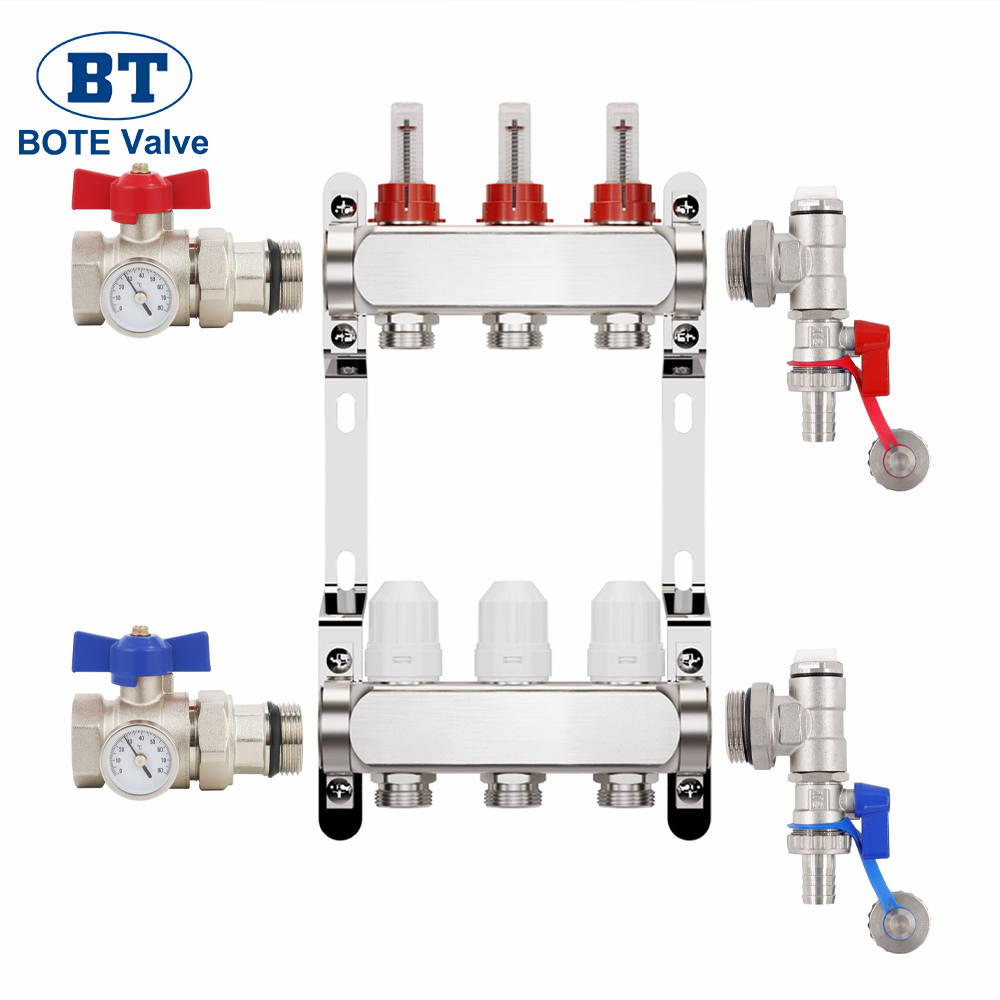
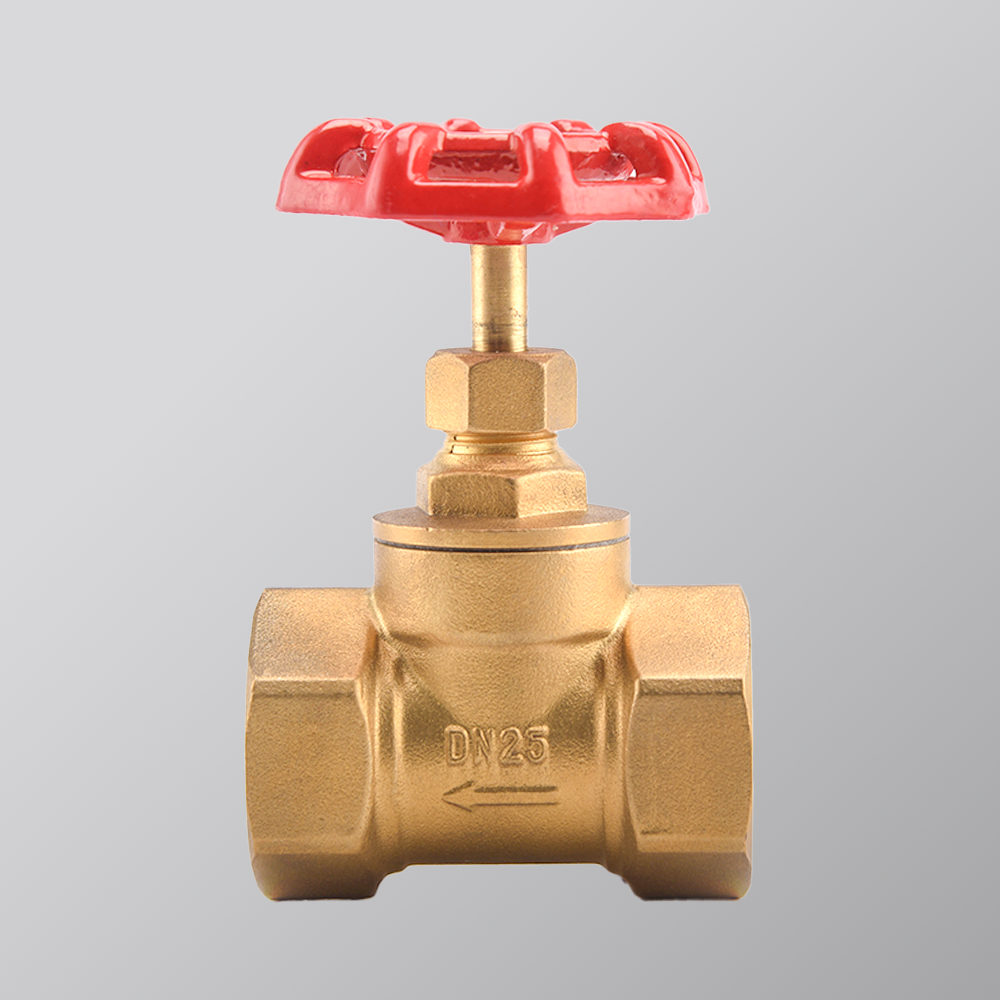
Brass works really well in those damp kitchen spots because it doesn't oxidize easily and resists mineral deposits building up on its surface. Compared to plastic materials, brass can handle about two and a half times as many pressure cycles before breaking down according to recent studies from the Plumbing Standards Institute back in 2023. The mix of copper and zinc in brass creates this kind of protective layer that forms naturally over time, which stops rust from developing even when water is constantly dripping onto it. That makes brass especially good choice for those tricky spots underneath sinks where leaks tend to happen all the time.
Brass remains dimensionally stable across temperatures from 4°C to 93°C, avoiding the warping common in polymers under thermal stress. This stability ensures reliable performance at standard household pressures of 60–80 PSI. With a yield strength of 580 MPa, brass threaded joints maintain 98.4% sealing efficiency after 10,000 open-close cycles.
| Material | Corrosion Rate | Thermal Expansion | Cost Premium vs Brass |
|---|---|---|---|
| Plastic | 12x higher | 7x greater | -45% |
| Stainless | 3x higher | 2x greater | +30% |
Brass avoids plastic’s tendency to develop flow-restricting microcracks and resists stainless steel’s susceptibility to mineral adhesion. Its smooth internal surface sustains a laminar flow profile, reducing velocity loss by 19% compared to polymer alternatives in controlled simulations.
Brass taps achieve precise water flow control through three engineered mechanisms.
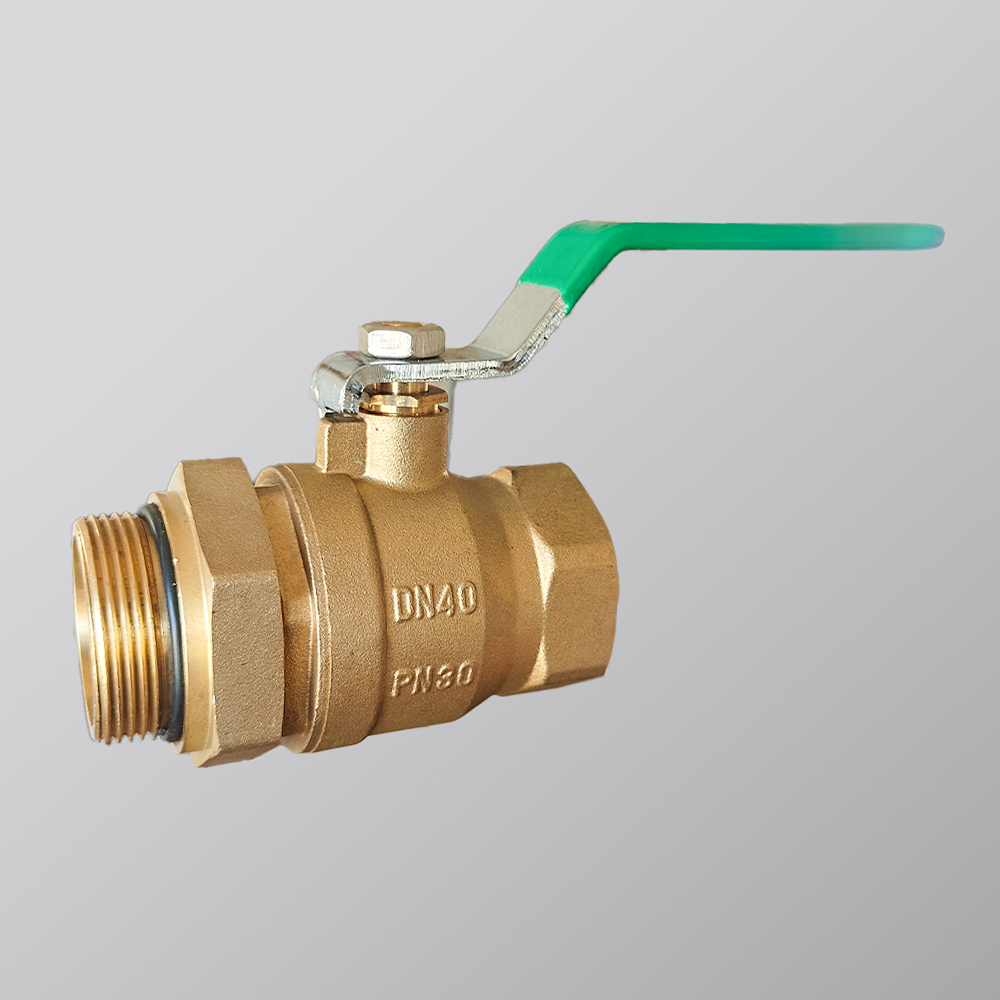
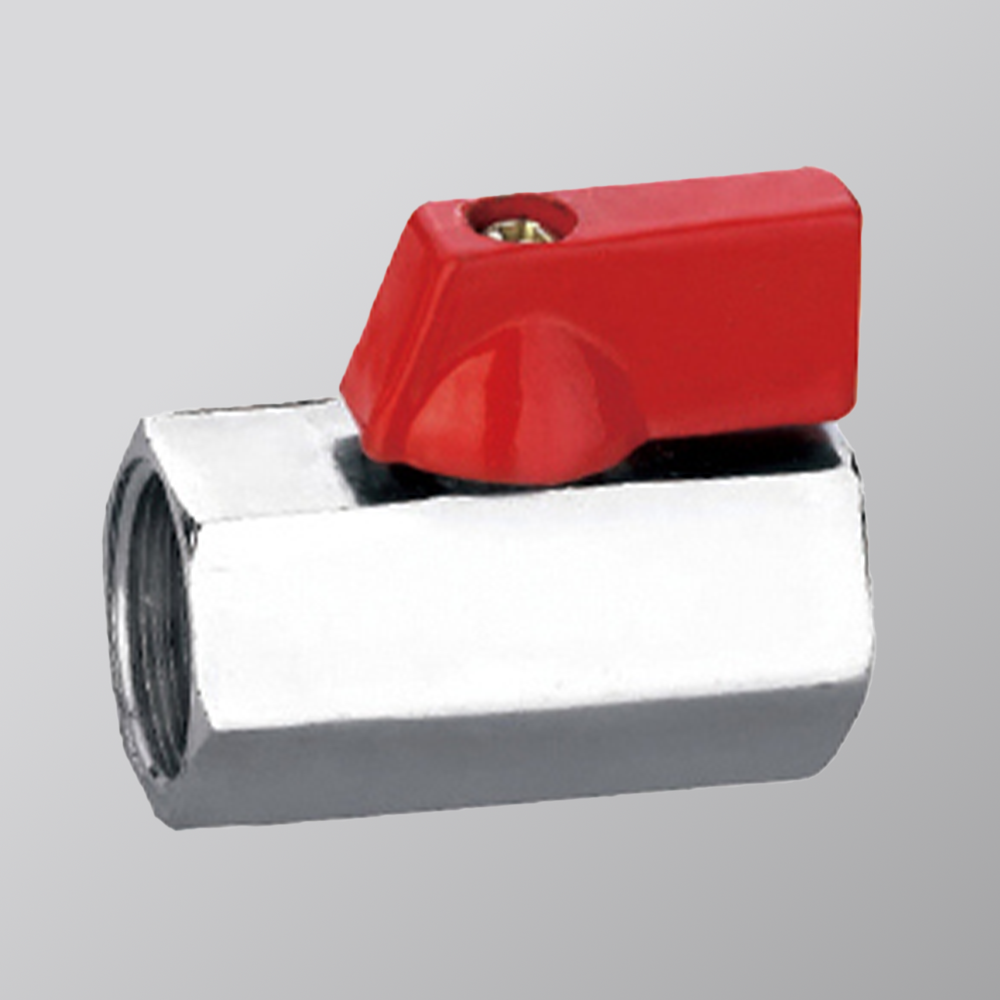
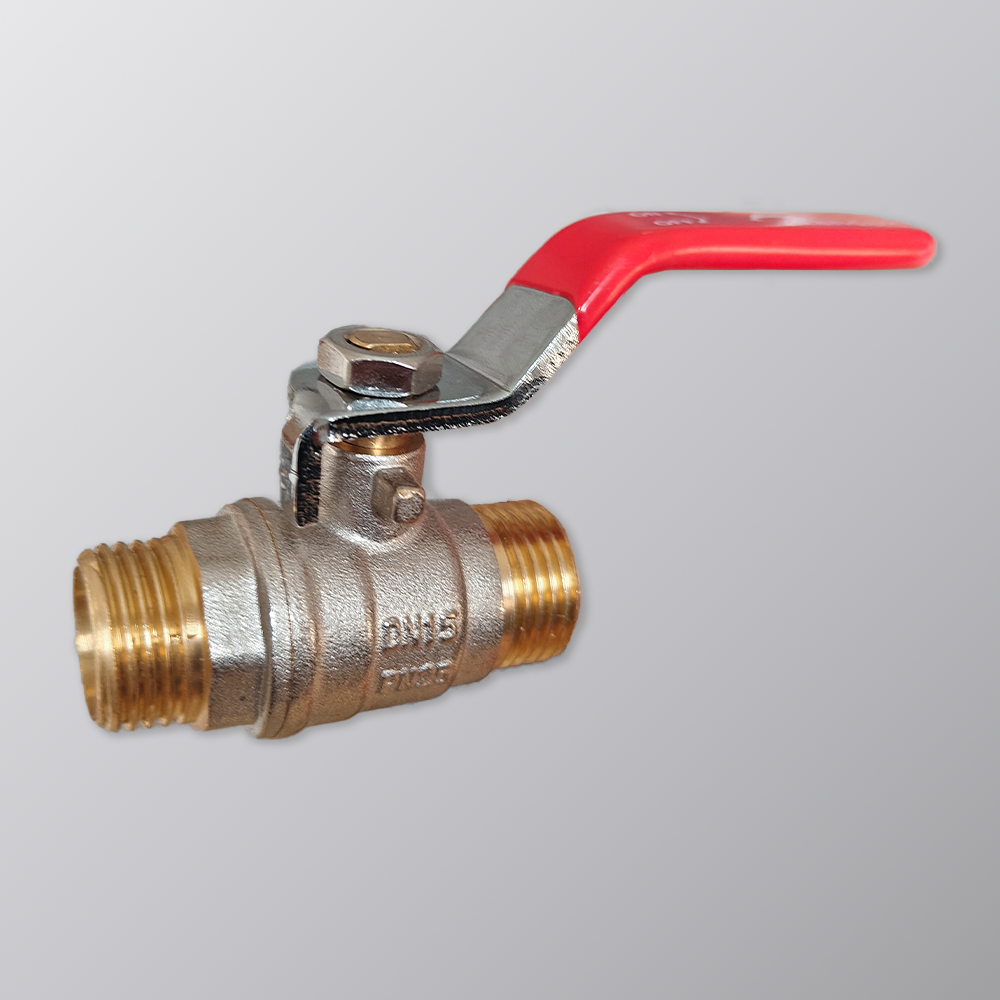
The 90-degree rotation of full-bore brass ball valves enables instant flow modulation with a 32% lower pressure drop than plastic equivalents. These are often paired with ceramic disc cartridges, whose wear-resistant surfaces ensure leak-free operation for over 500,000 cycles according to plumbing hardware benchmarks.
Integrated aerators mix air into the water stream, cutting flow rates by up to 1.5 GPM without compromising perceived pressure. This reduces splashback by 40% in sink trials while maintaining a steady, cohesive stream even at supply pressures of 80 PSI.
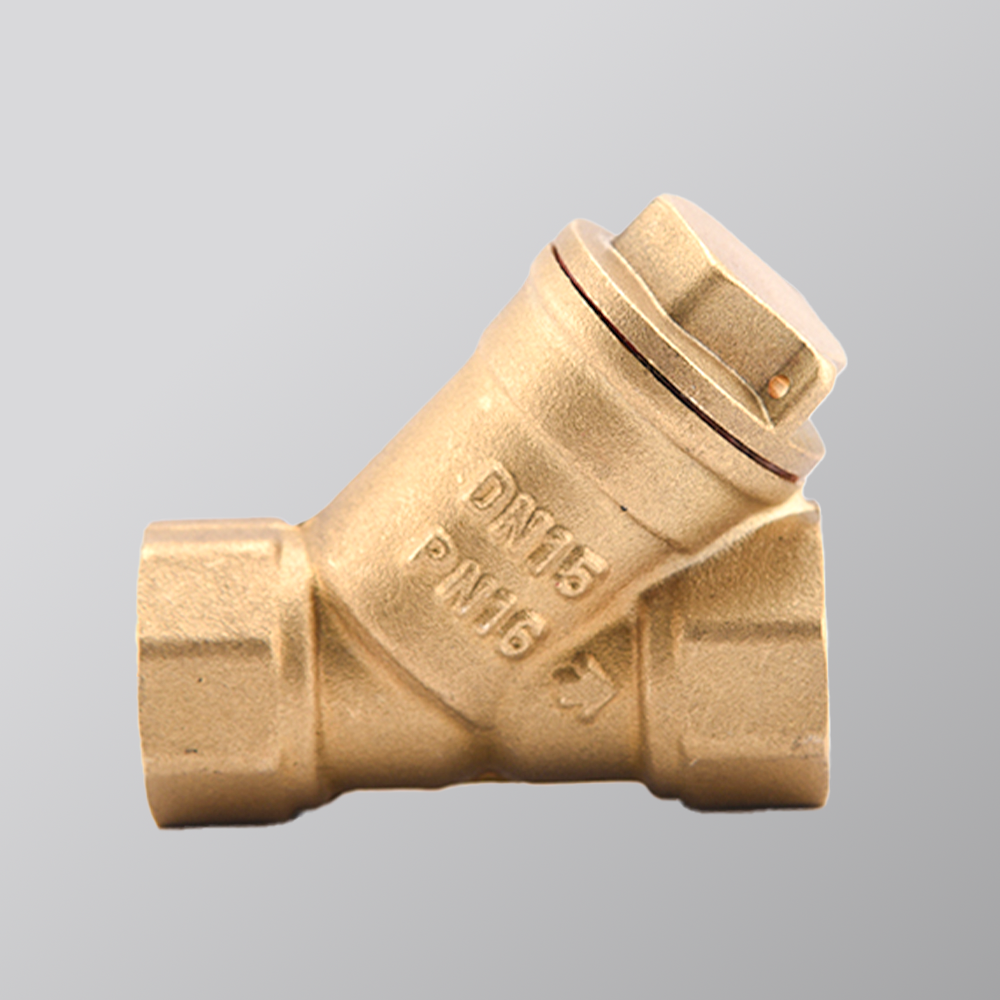
Y-type brass taps streamline flow paths to support low-friction 180° swivel movement, ideal for multi-zone use. Straight-body designs offer 15% higher flow rates in fixed setups. Both utilize reinforced brass threading that handles twice the torque stress of comparable stainless steel models during pressure surges.
Swivel spouts on brass taps rotate between 120° and 360°, allowing users to direct water across multiple sink areas without repositioning. This flexibility is especially useful for rinsing large cookware or filling edge-placed containers. The durability of brass ensures these joints resist wear and corrosion, maintaining integrity under repeated lateral forces.
Single-lever mixer taps in brass integrate temperature and flow control into one intuitive mechanism. A 2023 Plumbing Efficiency Study found they reduce water waste by 18% versus dual-handle models, as users reach desired temperatures faster. The brass lever’s thermal conductivity provides immediate tactile feedback, minimizing scalding risks.
Spray heads that are fixed in place typically provide a steady water flow between 1.8 and 2.2 gallons per minute when pressure hits around 60 psi, making them great for those tough rinse jobs. The pull down models bring extra flexibility thanks to their retractable hoses which extend from about 20 inches up to nearly 28 inches long, perfect for getting into those deep sinks. These models depend on strong brass to rubber seals so they don't leak all over the kitchen floor. Brass has this natural resistance to scaling buildup too, so after five years or so, these metal nozzles remain about 94 percent clear compared to plastic ones according to some tests done by Water Quality Association back in 2022. That means less clogging issues down the road.
Residential brass taps typically operate within a 1.5–2.2 GPM range, balancing efficiency and performance. Water-saving aerators cut consumption by 30% using precision airflow regulation, aligning with EPA WaterSense guidelines. High-flow models (2.5+ GPM) suit rapid pot filling but increase annual water usage by 16%, based on industry benchmarks.
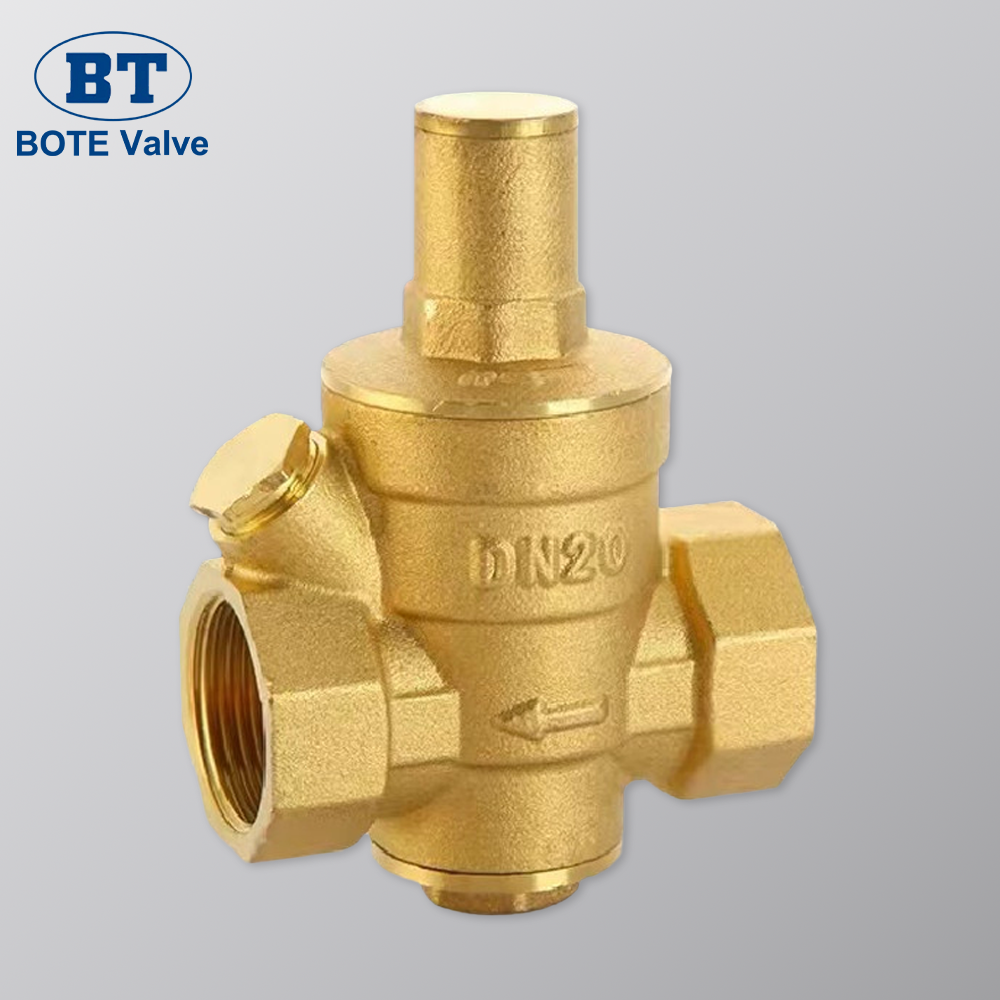
Optimal brass tap performance requires ⅜-inch supply lines delivering 40–60 PSI, supported by 0.5-inch inlet valves to avoid pressure drops during peak demand. In 2024 testing, brass-bodied angle valves retained 89% more flow than plastic counterparts after 500 stress cycles. PEX tubing further enhances efficiency, reducing turbulence losses by 18% compared to rigid copper.
When installing quarter-turn ceramic disc cartridges, don't go overboard with the tightening force. Stick to around 6 lb-in of torque to avoid creating flow problems down the line. Most plumbers know that giving aerators a good clean once a year gets rid of about 90-95% of those pesky mineral buildups that mess with water spray patterns. Want your fixtures lasting longer? Swap out regular rubber washers for ones reinforced with brass. This simple upgrade can keep things running smoothly for an extra 3 to maybe even 5 years. And when it comes time for descaling, always reach for products approved by the manufacturer. These specially formulated solutions protect all the inner parts without harming the special alloys designed to resist dezincification issues.
 Hot News
2025-07-08
2025-07-03
2025-07-02
2025-12-08

YUHUAN BOTE VALVES CO., LTD. provides high-quality industrial valves for oil, gas, and water systems. Durable, corrosion-resistant designs ensure reliable performance. Trusted by global engineers. Request a quote today.
YUHUAN BOTE VALVES CO., LTD. TAISHAN INDUSTRIAL ESTATE, QINGGANG TOWN , YUHUAN COUNTY ,ZHEJIANG ,CHINA
Copyright © 2025 by YUHUAN BOTE VALVES CO., LTD. Privacy Policy
 EN
EN