 EN
EN

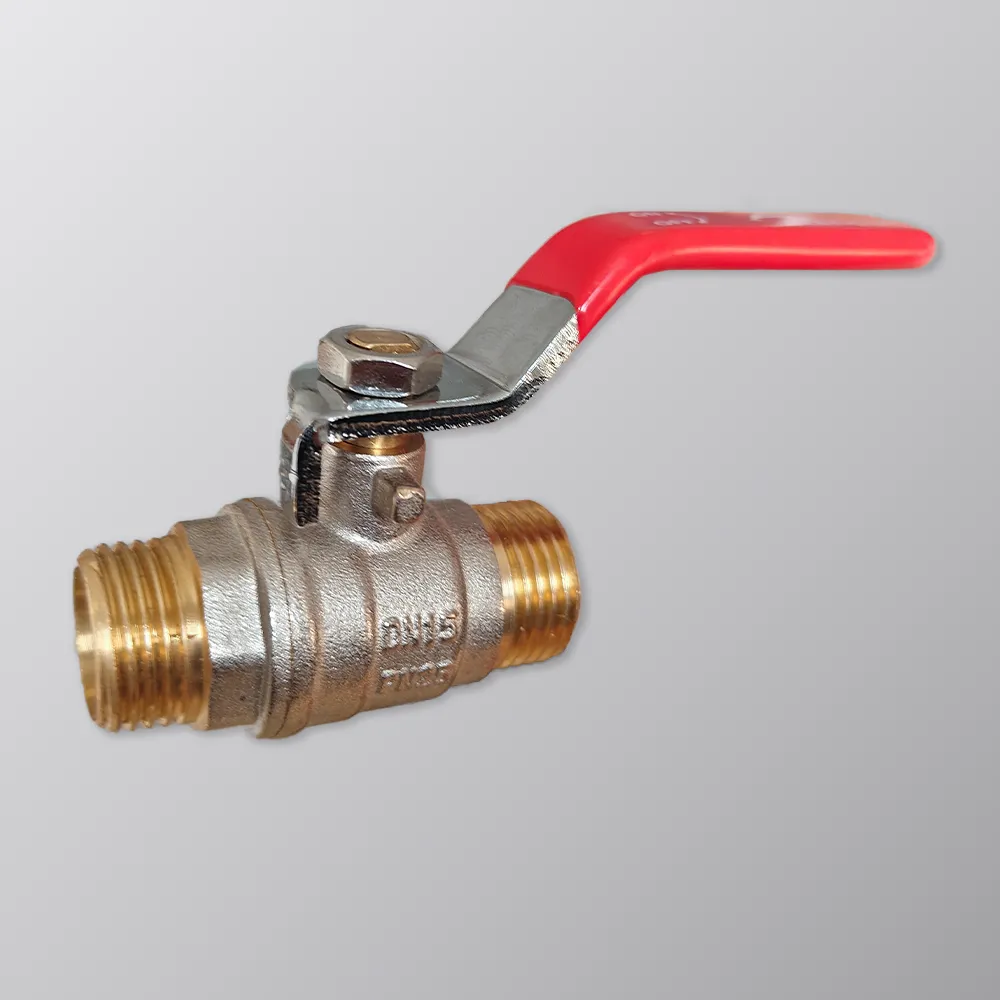
Core Material Selection: Why Lead-Free Brass Alloys Like CW617N Ensure Long-Term Durability
Dezincification and Stress Corrosion Risks in Potable Water Systems
When selecting a brass ball valve for potable water, understanding dezincification is critical. This corrosion process selectively removes zinc from the alloy, leaving behind a porous, weakened copper structure. In high-chloride or soft-water conditions, it’s often compounded by stress corrosion cracking—especially under sustained mechanical or thermal stress. Lead-free brass alloys like CW617N (containing ≤0.25% lead by weight) significantly reduce both risks. Their balanced composition—approximately 58–60% copper, with controlled zinc and trace arsenic or antimony—enhances resistance to selective leaching while maintaining machinability and strength. As a result, CW617N valves retain structural integrity and flow control performance over decades, aligning with modern plumbing standards that mandate low-lead materials for public health and long-term system reliability.
CW617N vs. Traditional HPb57-3: Compliance, Safety, and Service Life Comparison (BS EN 1254-3 / ASTM B111)
CW617N outperforms traditional HPb57-3 in corrosion resistance, regulatory compliance, and service life. While HPb57-3 contains up to 3% lead—exceeding limits set by NSF/ANSI 61, AB1953, and the EU Drinking Water Directive—CW617N meets stringent requirements under BS EN 1254-3 and ASTM B111 for low-lead, potable-grade brass. Its refined microstructure also improves resistance to stress corrosion cracking in recirculating hot water systems, where HPb57-3 is prone to premature failure. Field experience indicates CW617N valves routinely achieve 20+ years of trouble-free operation, whereas HPb57-3 units in comparable conditions often require replacement within 10–15 years due to dezincification-related leakage or stem seizure. For residential plumbing, this makes CW617N not only safer but more cost-effective over the full lifecycle.
Pressure and Temperature Ratings: Matching Brass Ball Valve Specifications to Residential Plumbing Demands
Matching a brass ball valve’s pressure and temperature ratings to real-world residential usage prevents premature failure and ensures safe, leak-free operation. Standard household supply pressures range from 40–80 psi (2.75–5.5 bar), with hot water reaching up to 60°C (140°F). Valves rated PN10 (10 bar / 145 psi) or ANSI 150 (285 psi at ambient temperature) comfortably exceed these demands while providing essential safety margins. Crucially, performance depends as much on seal selection as body material: EPDM stem packing offers excellent resistance to hot water, ozone, and aging—making it ideal for domestic hot water lines—while NBR provides reliable sealing in cold or mixed-temperature applications. A well-specified brass ball valve with CW617N body, appropriate pressure rating, and matched elastomer delivers consistent shutoff and long service life without over-engineering.
| Characteristic | Typical Residential Need | Brass Ball Valve Rating |
|---|---|---|
| Operating pressure | 40–80 psi (2.75–5.5 bar) | PN10 (10 bar, 145 psi) or ANSI 150 (285 psi) |
| Hot water temperature | Up to 60°C (140°F) | 0–80°C (176°F) with EPDM or NBR seals |
Application Fit: Optimizing Brass Ball Valve Selection for 2-Way On/Off Control in Residential Plumbing
When to Choose Brass vs. Bronze: Recirculating Loops, High-Chloride Environments, and Flow Dynamics
Brass ball valves—particularly those made from CW617N—are the optimal choice for standard residential cold and hot water distribution, offering an ideal balance of corrosion resistance, durability, and value. They perform reliably in typical chloride environments (<50 ppm) and maintain stable flow dynamics under normal operating pressures and temperatures. However, bronze becomes the preferred material in three specific scenarios:
- Hot water recirculation loops, where sustained temperatures exceed 80°C increase susceptibility to stress corrosion cracking in brass;
- High-chloride environments, such as coastal areas or municipal supplies with >100 ppm chloride, where bronze’s superior pitting resistance prevents localized attack;
- High-velocity or frequently cycled systems, where bronze’s higher tensile strength and erosion resistance better withstand turbulent flow and mechanical wear.
While brass valves typically carry a 30% cost advantage, bronze extends service life by 2–3× in these demanding applications—validated through accelerated material fatigue testing per ASTM G48 and ISO 6508. For standard 2-way isolation in residential plumbing, CW617N brass remains the authoritative, code-compliant choice—provided it’s paired with correct pressure ratings and seal materials.
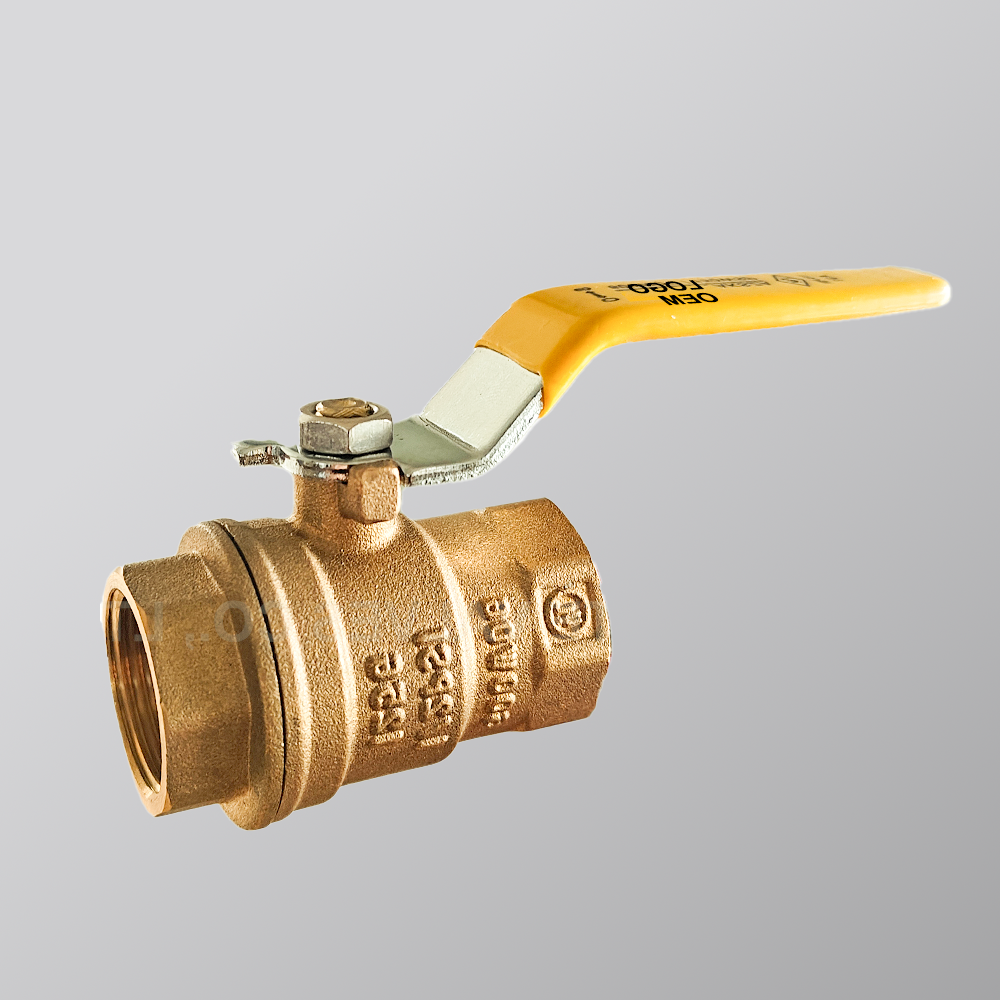
Certifications, Standards, and Real-World Validation: Ensuring Your Brass Ball Valve Meets Global Plumbing Requirements
Certifications are not procedural formalities—they’re evidence of real-world performance under rigorously simulated conditions. WRAS (UK), NSF/ANSI 61 (USA), and DVGW (Germany) each require independent, third-party validation of potable water compatibility, including leaching tests, pressure cycling, and accelerated aging to replicate 25+ years of service. For example, DVGW-certified valves must survive burst pressure tests exceeding 60 bar—more than six times typical residential demand—demonstrating robust structural integrity. Similarly, WRAS approval mandates compliance with the UK Water Supply (Water Fittings) Regulations, ensuring zero risk of contaminant migration into drinking water. These certifications reflect not just material composition, but full-assembly validation—including body, stem, seats, and seals. Always verify certification marks directly on the product or supporting documentation, and confirm test reports are issued by accredited laboratories. That verification is your strongest assurance of safety, compliance, and long-term reliability.
FAQ
What is dezincification, and why is it important in brass ball valves?
Dezincification is a corrosion process that removes zinc from brass alloys, weakening the structure and potentially resulting in valve failure. Lead-free alloys like CW617N mitigate this issue, especially in potable water systems.
How does CW617N compare to traditional HPb57-3 brass?
CW617N offers superior corrosion resistance, meets modern low-lead regulations, and has a longer service life, outperforming HPb57-3 in potable water applications.
What operating conditions should brass ball valves be rated for in residential plumbing?
Valves should be rated for 40–80 psi operating pressure and temperatures up to 60°C (140°F), with elastomer seals like EPDM or NBR to match the application.
When should bronze be used instead of brass?
Bronze is preferable in high-chloride environments, hot water recirculation loops exceeding 80°C, and high-velocity systems due to its superior corrosion and wear resistance.
Why are certifications important for brass ball valves?
Certifications like WRAS, NSF/ANSI 61, and DVGW ensure valves meet stringent safety, performance, and compliance standards for potable water systems, backed by third-party testing.
Table of Contents
- Core Material Selection: Why Lead-Free Brass Alloys Like CW617N Ensure Long-Term Durability
- Pressure and Temperature Ratings: Matching Brass Ball Valve Specifications to Residential Plumbing Demands
- Application Fit: Optimizing Brass Ball Valve Selection for 2-Way On/Off Control in Residential Plumbing
- Certifications, Standards, and Real-World Validation: Ensuring Your Brass Ball Valve Meets Global Plumbing Requirements
-
FAQ
- What is dezincification, and why is it important in brass ball valves?
- How does CW617N compare to traditional HPb57-3 brass?
- What operating conditions should brass ball valves be rated for in residential plumbing?
- When should bronze be used instead of brass?
- Why are certifications important for brass ball valves?