 EN
EN

Core Functional Advantages of Gate Valve for Water Pipeline Isolation
Near-Zero Pressure Drop and Straight-Through Flow Path
A gate valve’s defining strength lies in its near-zero pressure drop when fully open. Its straight-through flow path—uninterrupted by bends, constrictions, or directional changes—allows water to pass with minimal hydraulic resistance. Unlike globe or angle valves, it functions essentially as a continuation of the pipe itself, preserving system efficiency and reducing long-term pumping energy costs. This makes it the preferred choice for mainline isolation in municipal and regional water supply networks, where valves typically remain fully open for extended periods.
Reliable, Fail-Safe Shutoff Under Static and Low-Cycle Conditions
For dependable isolation, gate valves deliver a tight, durable seal—whether metal-to-metal or resilient—designed to improve with time under static or infrequent operation. The wedge-shaped gate presses firmly against the seat under upstream pressure, creating positive shutoff critical for sectioning water distribution networks. However, this reliability hinges on correct operation: gate valves must only be used in fully open or fully closed positions. Partial opening induces gate chatter, accelerating seat erosion and compromising long-term integrity.
Design Robustness: Durability and Corrosion Resistance in Potable Water Systems
Resilient Seated vs. Metal-Seated Gate Valve Designs for Chlorinated Water
In chlorinated potable water systems, resilient seated gate valves outperform traditional metal-seated designs. Free chlorine residuals accelerate corrosion of exposed metal surfaces, particularly at sealing interfaces. Resilient seated variants fully encapsulate the wedge in an elastomer—typically EPDM or NBR—that resists chemical degradation, blocks grit and scale accumulation, and maintains bubble-tight shutoff over decades of moderate cycling. In contrast, metal-seated valves require periodic regrinding to restore seal integrity, increasing lifecycle maintenance costs. For municipal applications governed by NSF/ANSI 61 and AWWA C500 standards, resilient seated valves are the default specification for above- and below-grade installations.
Long-Term Burial Performance and Underground Installation Suitability
Gate valves installed underground must endure soil loading, groundwater exposure, thermal cycling, and potential freeze-thaw stress. High-performance exterior coatings—such as fusion-bonded epoxy (FBE) or nylon—provide robust protection against electrolytic corrosion in moist, conductive soils. Stem seals prevent groundwater ingress into the bonnet, mitigating freeze-related cracking in cold climates. When paired with proper backfill material, a well-drained valve box, and full-bore construction rated for Class 150 or 250 psi service per AWWA C509, these valves routinely exceed 50 years of reliable, low-maintenance performance in buried water mains.
Operational Logic and Configuration Standards for Municipal Gate Valve Deployment
Wedge Gate Valve as the Dominant Design for High-Integrity Isolation
The wedge gate valve is the dominant configuration in municipal water infrastructure due to its proven sealing reliability, mechanical simplicity, and compatibility with rigorous industry standards—including AWWA C509, ASME B16.34, and API 600. The solid wedge design ensures uniform metal-to-metal contact across the entire seat perimeter upon closure, delivering fail-safe isolation under static and low-cycle conditions. Its linear actuation requires minimal torque, supporting cost-effective automation where needed.
Resilient seated wedge variants further enhance performance in potable water by accommodating minor pipeline misalignment and thermal movement while maintaining zero leakage. Flexible wedge versions add another layer of resilience: their slight elasticity compensates for differential thermal expansion between pipe and valve body, sustaining seal integrity even during seasonal ground movement—an advantage not shared by rigid parallel-seat designs.
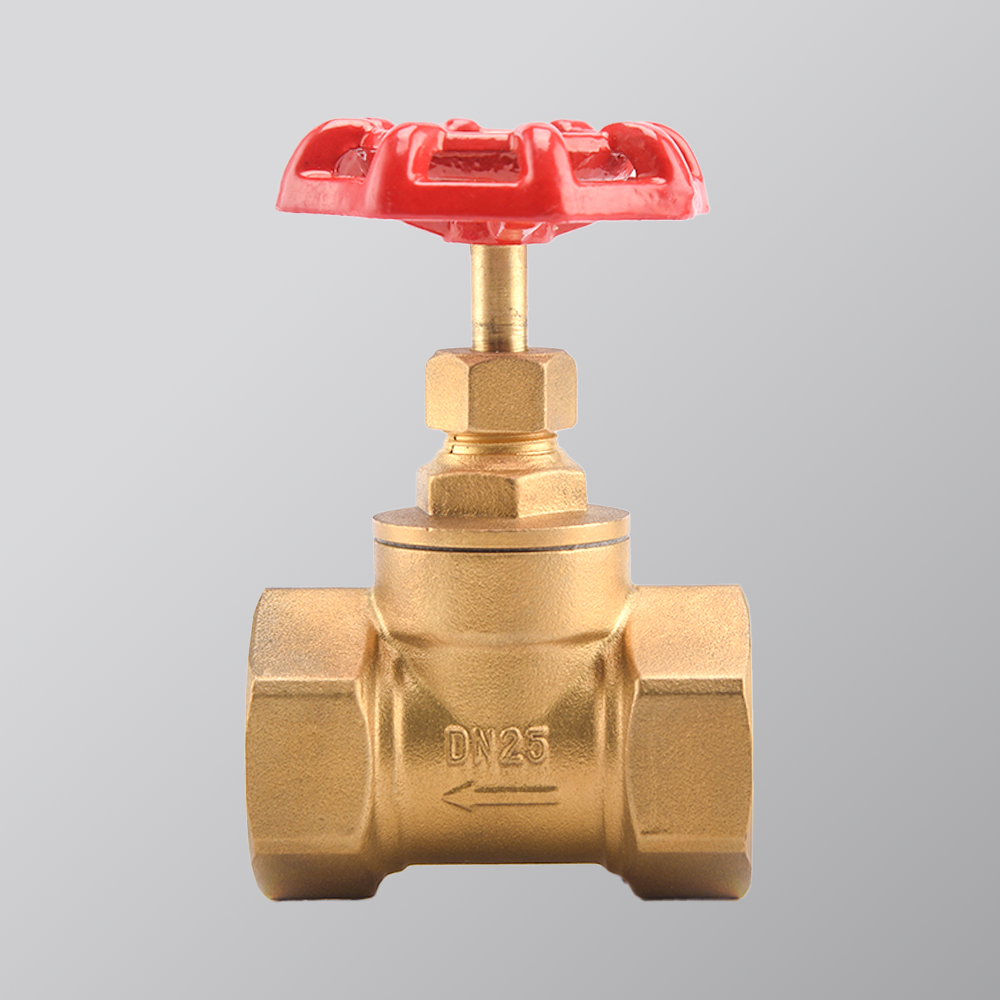
Critical Limitations: When Not to Use a Gate Valve in Water Supply Systems
Gate valves offer distinct advantages for isolation but carry non-negotiable operational constraints in water supply systems. Their design inherently limits suitability for:
- Space-constrained installations, due to tall body profiles requiring significant vertical clearance;
- Emergency shutoff scenarios, owing to slow actuation speed;
- Throttling or flow regulation, where partial opening causes destructive vibration and rapid wear;
- High-solids or abrasive water, which accelerates erosion of seats and discs.
Throttling Prohibition and Vibration Risks in Partial-Open Operation
Throttling with a gate valve is strictly prohibited. When partially open, high-velocity water impinges directly on the gate’s underside, inducing resonant vibration known as gate chatter. This dynamic load rapidly erodes sealing surfaces—especially at the wedge tip and seat edges—degrading shutoff capability and shortening service life. Once compromised, the valve no longer meets AWWA C509 leakage requirements and must be replaced. As such, gate valves in water networks must operate exclusively in binary mode: fully open or fully closed. Where flow modulation is required, butterfly or globe valves—designed for controlled throttling—should be specified instead.
FAQs
Why do gate valves cause minimal pressure drop when fully open?
Gate valves provide a straight-through flow path with no bends or constrictions, ensuring water flows with minimal hydraulic resistance.
What is the advantage of resilient seated gate valves in chlorinated water systems?
Resilient seated gate valves resist chemical degradation, prevent scale buildup, and maintain bubble-tight shutoff, reducing maintenance in chlorinated systems.
Why shouldn't gate valves be used in partially open positions?
Partial opening causes gate chatter, leading to erosion, sealing surface damage, and decreased valve reliability.
What are the primary standards for municipal gate valve installations?
Common standards include AWWA C509, ASME B16.34, and API 600, ensuring reliability and compatibility with potable water systems.
What are the limitations of gate valves in water supply systems?
Gate valves are unsuitable for space-constrained areas, emergency shutoffs, throttling, and high-solids water due to performance and durability concerns.
Table of Contents
- Core Functional Advantages of Gate Valve for Water Pipeline Isolation
- Design Robustness: Durability and Corrosion Resistance in Potable Water Systems
- Operational Logic and Configuration Standards for Municipal Gate Valve Deployment
- Critical Limitations: When Not to Use a Gate Valve in Water Supply Systems
-
FAQs
- Why do gate valves cause minimal pressure drop when fully open?
- What is the advantage of resilient seated gate valves in chlorinated water systems?
- Why shouldn't gate valves be used in partially open positions?
- What are the primary standards for municipal gate valve installations?
- What are the limitations of gate valves in water supply systems?