Selecting your home’s plumbing components may not be very engaging, but it is critical. One component, like an angle valve, may appear small, but it is one of the unsung heroes that is crucial to the plumbing system. A good valve is trouble-free for decades, while an inexpensive valve creates problems with drips, leaks, and costly repairs. So, what is the difference? This article will describe the durable features of an angle valve and will provide tips for selecting the best angle valve for your purposes.
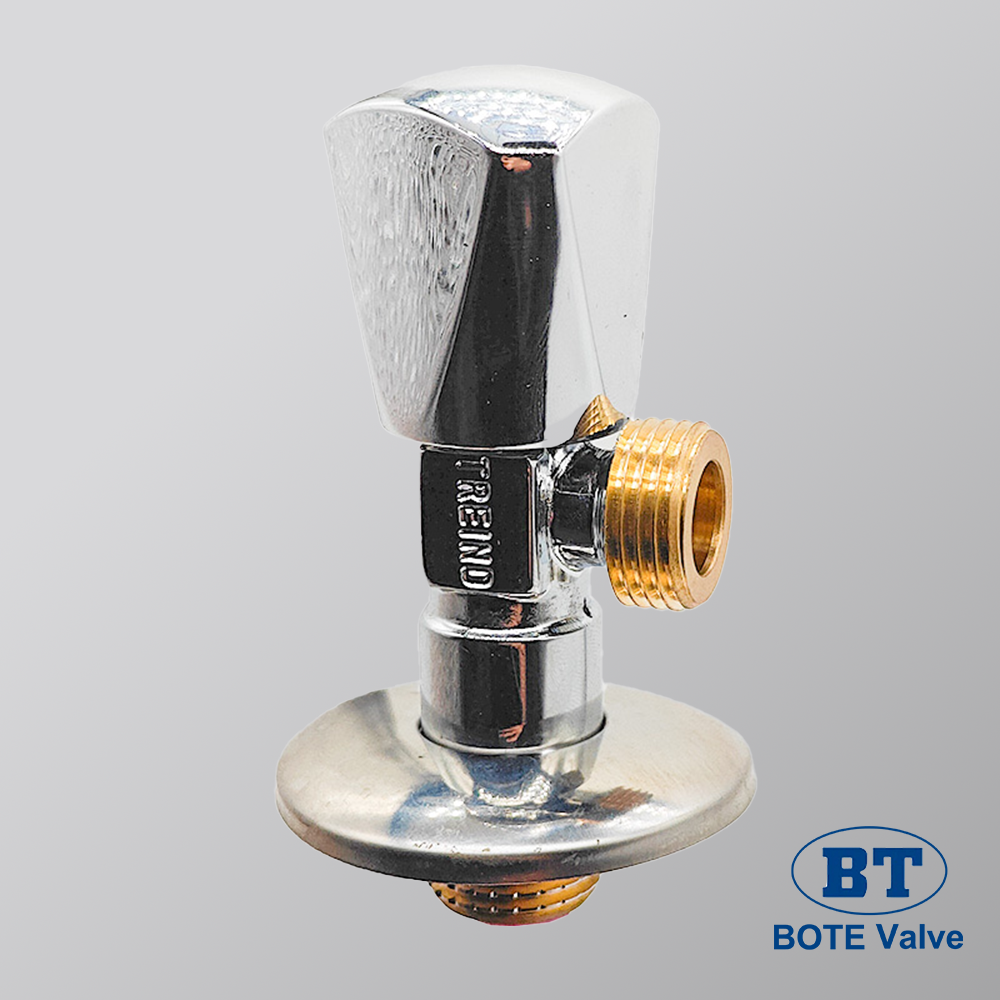
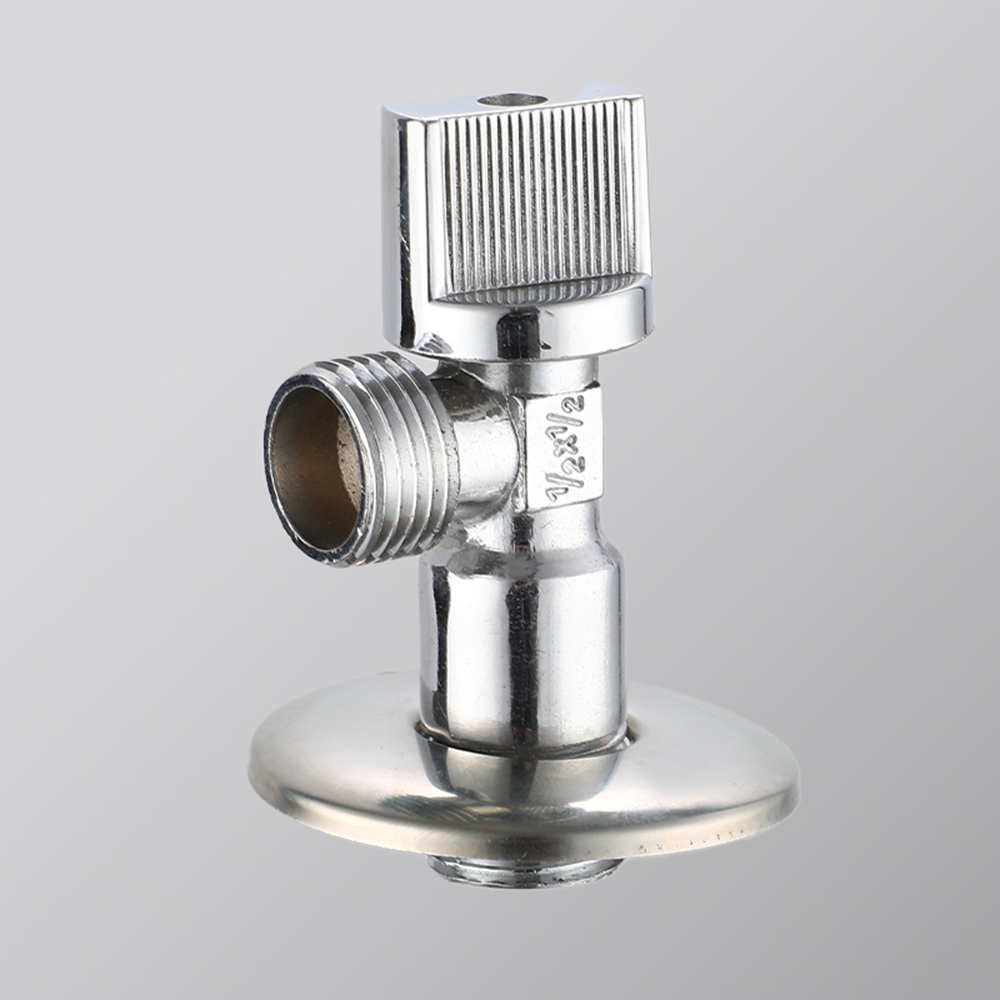
An angle valve is usually located under a sink, next to a radiator, or behind a toilet. Their tasks are to connect the wall's water supply pipe to the plumbing fixture, and to provide easy access to a local water shut off valve, as to avoid turning off the main water supply. But a good valve does these tasks silently and without problems, year after year, without any seizing, leaking, or rusting. Meanwhile, poorly constructed valves are always an annoyance. they are hard to turn, and they leak water little by little after turning the knob. in the worst case, they are leaking over time and cause water damage in the area. That is why choosing an angle valve takes only a little time, and is worth it in the long run.
Assessment of Materials Begins with the Body
Valves should last a long time! The first step in ensuring this is from the quality of materials used to make the product. The best choice is solid high-grade brass. Types of brass labeled DZR (Dezincification Resistant) will be more resistant to water and mineral corrosion. This is important since a valve's insides are always wet. Cheaper metals are more likely to oxidize and corrode, causing a leak and weakening the integrity of the valve. A brass angle valve with substantial and not tinny construction is the best choice when selecting a valve. Aesthetics might be important to some and might purchase a valve cast in nickel or chrome. Just make sure the brass is the main metal underneath the plating. Thin, silvery, and chunky-looking metal alloys are not good options. Plastic should also not be used. Valves are long-term, daily-use products and should be made from quality materials, not low-grade alloys that will corrode quickly.
What’s Inside Counts Just as Much
A strong body isn't as useful as you think when the insides aren't good enough. The working mechanism is called the cartridge stem assembly, and it is the heart of the valve. There are two common types of valves: the compression-style washer and the ceramic disc. Compression valves are the traditional type of valve and they work by using a rubber washer and squeezing it against a seat to stop the water. It's effective, but over time the rubber washer can wear out, harden, or degrade leading to water leaks. The ceramic disc valve works differently by having two ceramic plates that are very hard and have holes cut into them. When aligned, water can pass through and when the plates are turned to a different position, they block the water flow. The mechanism is very smooth to operate and can almost turn effortlessly a quarter of a turn from on to off. The combination of a brass body and the ceramic disc is the best when it comes to ease of use and durability. The valve stem better be made of brass or other durable metal as well rather than some cheap plastic.
Consider the Design and Installation Details
Thinking about how durable a part is comes down to more than the materials themselves. One element to consider is the valve’s connection to the pipes and how they are threaded together. The threads should be well cut, straight and deep enough that they fit together nice and snug. If the threads are poorly done, sealing the valve and pipe assembly to be water tight poorly constructed threads won't seal. The handles should also be easy to operate and should be designed for a comfortable grip. Some come with a modern and minimalist small handles, and others might be an oversized wing style handles that are easier to torque. The valve should also be designed toward the use case of where the valve will be feet in. In a tight space like the back of a toilet you should use a small valve and a low profile handle. On top of that, some angle valves are made for specific applications. As an example, a radiator valve might use a longer stem or alternate handle style for easier regulating of heat. Selecting a design appropriate for that use case will save from damage to the valve or surrounding area.
Making My Choice
What are the final steps I will take before I make my purchase and buy that valve? The first step is always making sure the supplier and or brand is reputable and credible, especially in the field of plumbing. I should avoid the cheapest prices from suspicious sources. The next step is to read the products details. It should mention materials like lead free and DZR brass and should state the type of mechanance- ceramic disc is a definite plus. Buyer reviews are important too. People write about issues such as “leaked after a year” or on the other hand, “works perfectly after five years” so it's a good idea to check reviews to see if the product is worth the money. The overall value and package of a plumbing product are very important too. A plumbing valve that is worth the money is the one that includes a well manufactured metal handle, a well manufactured cover that protects the outlet, and is well packaged in a manner that protects the product so it is not damaged. A good angle valve will last you a long time, protecting you from the hassles and costly expenses that go along with water damage in a household. I will always go with a product that has a good internal valve and is made with a good quality brass.
 Hot News
2025-07-08
2025-07-03
2025-07-02
2025-12-08

YUHUAN BOTE VALVES CO., LTD. provides high-quality industrial valves for oil, gas, and water systems. Durable, corrosion-resistant designs ensure reliable performance. Trusted by global engineers. Request a quote today.
YUHUAN BOTE VALVES CO., LTD. TAISHAN INDUSTRIAL ESTATE, QINGGANG TOWN , YUHUAN COUNTY ,ZHEJIANG ,CHINA
Copyright © 2025 by YUHUAN BOTE VALVES CO., LTD. Privacy Policy
 EN
EN