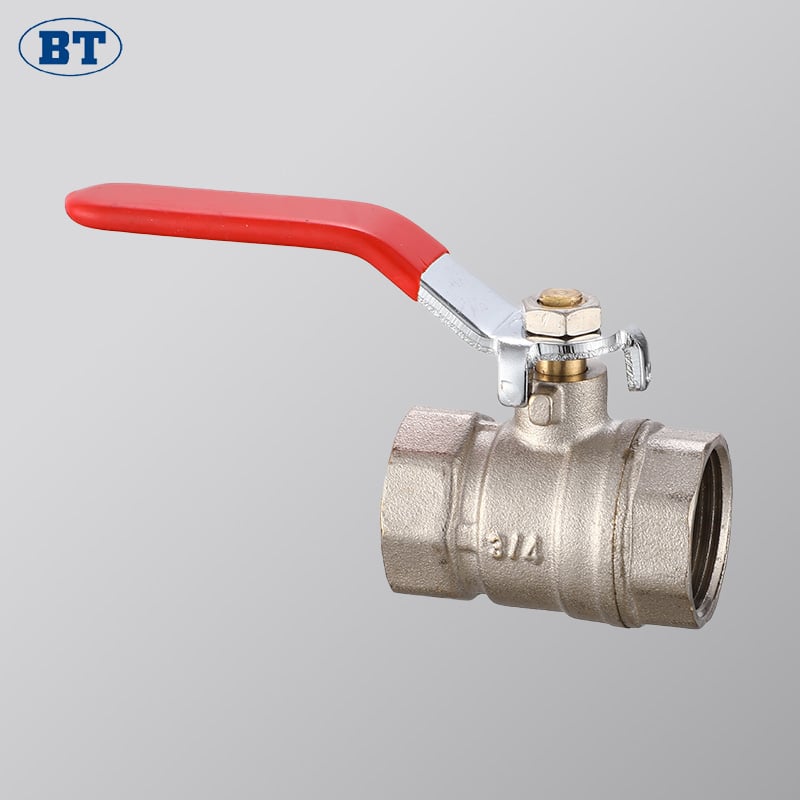
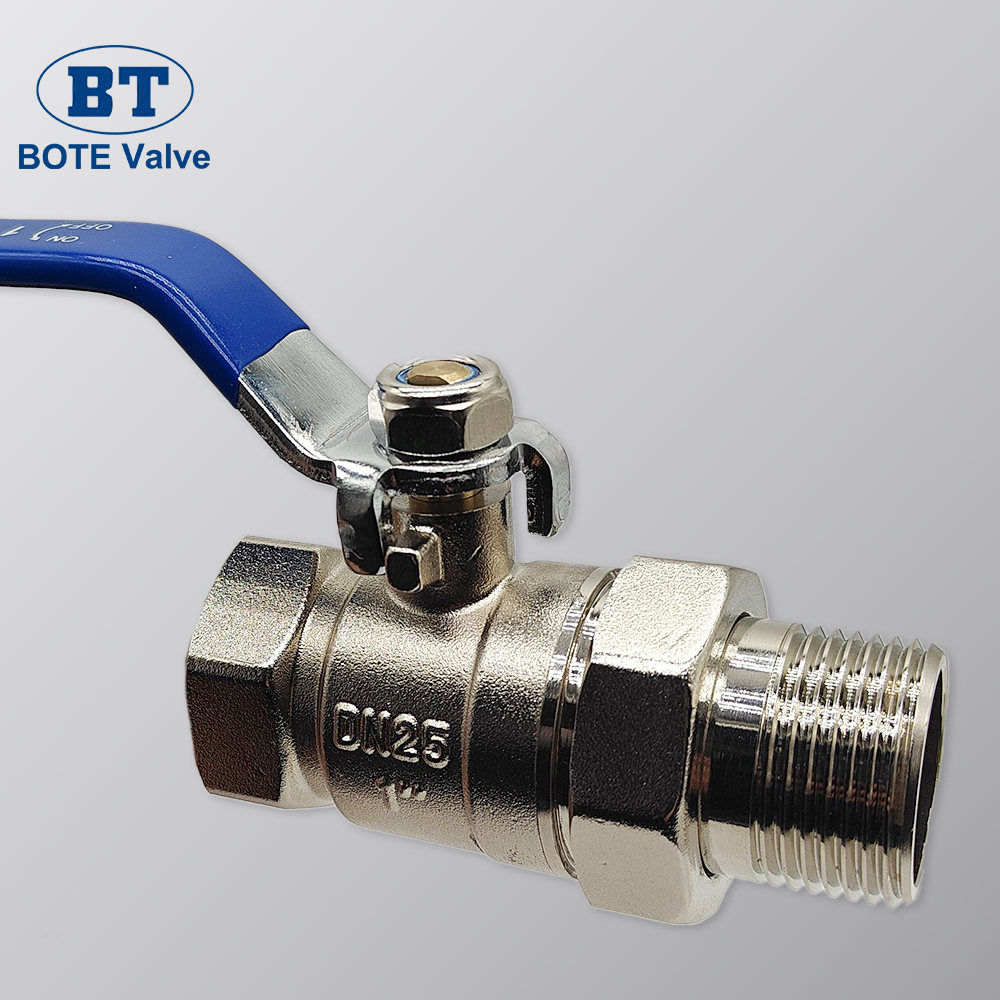
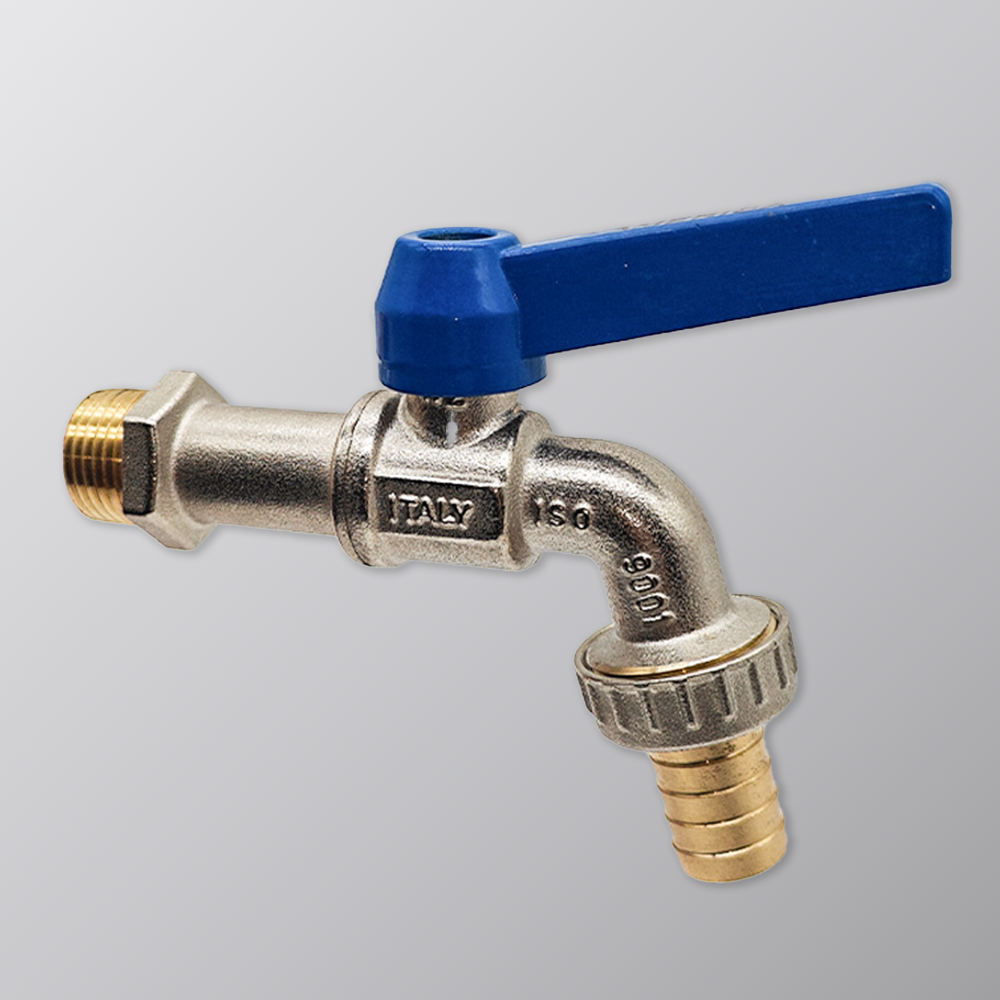
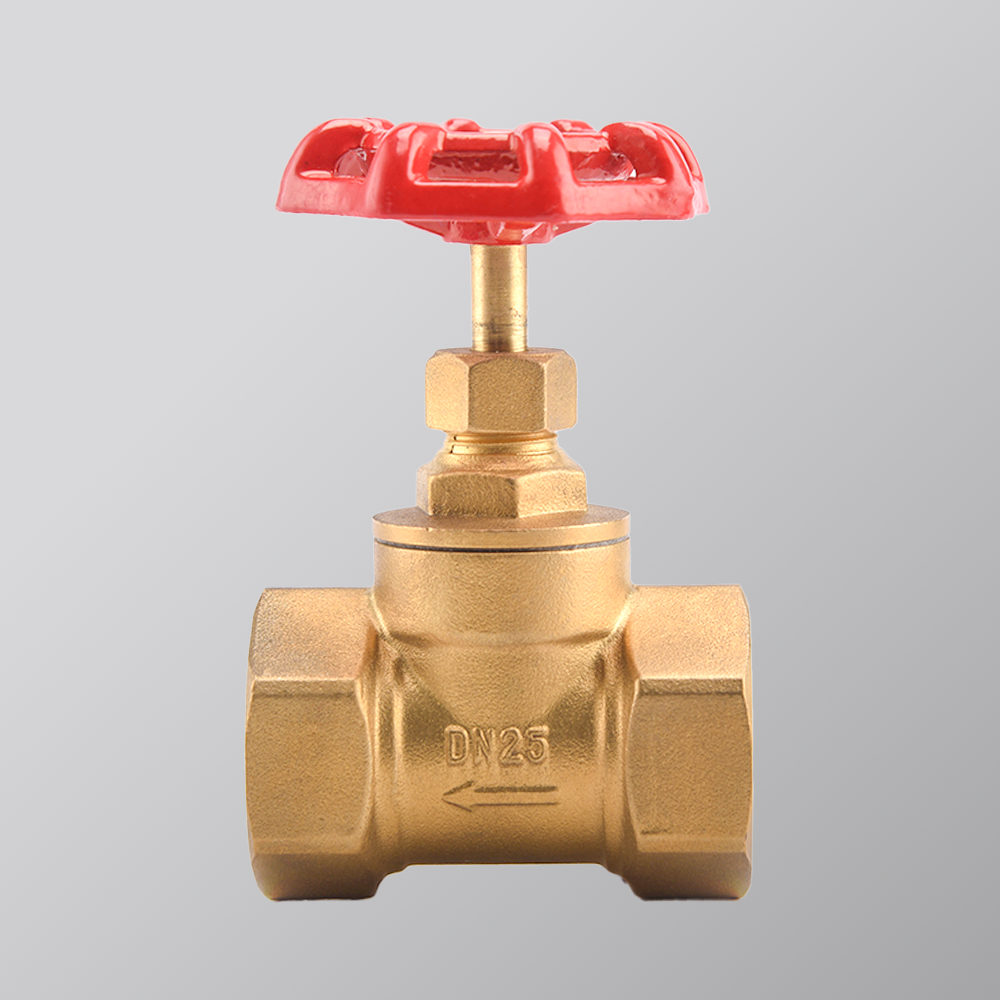
Brass is basically an alloy made mostly of copper and zinc, usually around 60 to 70 percent copper. What makes it so resistant to corrosion? Well, there are actually three main reasons behind this. First, it forms a protective copper oxide layer on its surface. Second, the zinc component acts as sort of a shield against further damage. And third, brass naturally has antimicrobial qualities that help stop those pesky biofilms from forming. According to data from the Copper Development Association, red brass which contains about 85% copper shows roughly 93% less dezincification compared to regular brass when used in city water systems as reported in their 2023 findings. Because of how well balanced these materials are, brass ball valves can handle water with pH levels ranging from approximately 6.5 up to 8.5 without showing signs of wear over time.
When we talk about dezincification, what we're really referring to is the selective removal of zinc from metal surfaces. This tends to happen mostly when materials are exposed to acidic conditions below pH 6.5 or areas where chloride levels exceed around 100 parts per million. Industry professionals have developed several strategies to fight against this issue. For starters, many companies now manufacture components using brass alloys containing under 15% zinc content wherever these materials come into contact with liquids. Some also implement special surface treatments after production completes, creating protective layers on the metal. And there's definitely value in following those ASTM B584 guidelines specifically designed for dezincification resistant brass. All these approaches together make a real difference too. Studies show that valves treated with these methods experience roughly 78 percent fewer failures in harsh chemical settings compared to regular untreated brass alternatives. That kind of reliability matters a lot in industrial applications where equipment downtime can be costly.
When it comes to strength and heat resistance, brass simply beats plastic hands down. The numbers tell the story pretty clearly too – brass has about triple the yield strength of PVC at 145 MPa compared to just 55 MPa for plastic. And if we look at temperature ranges, brass can handle extremes from -20 degrees Fahrenheit all the way up to 400 degrees, whereas PVC starts getting nervous around 33 degrees and tops out at 140. What does this mean in practice? Brass doesn't warp when exposed to steam, which is a common problem area for many systems. Plus, it stands up much better against those sudden pressure spikes known as water hammer events. Most plastic valves tend to crack under pressures between 15 and 25 PSI during these incidents, but brass components generally hold their own without failing.
A five-year NACE International study of coastal HVAC systems found brass ball valves corrode at just 0.002 mm/year, compared to 0.8 mm/year for carbon steel. Their fatigue resistance supports over 50,000 actuation cycles without stem packing leaks, making them ideal for automated control systems subject to frequent pressure fluctuations.
Brass ball valves excel in demanding applications due to their natural resistance to chemical exposure, saltwater, and industrial pollutants. The protective oxide layer formed on the copper-zinc alloy ensures long-term reliability even under extreme conditions.
Brass valves hold up pretty well against both acidic and alkaline substances in chemical processing applications, even at pH levels as high as 12 before showing much wear and tear. When it comes to saltwater exposure in marine settings, these valves really shine. Coastal infrastructure maintenance reports show around three quarters fewer valve replacements after just five years compared with stainless steel alternatives according to recent industry studies from NACE back in 2023. What makes brass so valuable for industrial operations is its ability to resist not only corrosive chemicals but also physical stresses that would break other materials. This combination helps maintain proper seals when dealing with those tough abrasive slurries that tend to damage equipment over time.
During a 2022 retrofit of Miami Beach’s seawater cooling system, 1,200 plastic valves were replaced with brass equivalents. After 18 months:
These results support findings from the 2023 Corrosion Engineering Report, which shows brass valves fail at one-eighth the rate of plastic in chloride-rich environments.
| Characteristic | Brass Ball Valve | PVC Ball Valve |
|---|---|---|
| Chloride Resistance | >20 years (ASTM B858) | 3-5 years (NACE) |
| Pressure Tolerance | 600 PSI (ASME B16.34) | 150 PSI (ASTM D1784) |
| Temperature Range | -20°F to 400°F | 33°F to 140°F |
| UV Degradation | None | Severe within 2 years |
Material fatigue studies (2023) show PVC valves experience 83% faster wall thinning in high-humidity environments, reinforcing brass as the preferred choice for permanent installations.
Brass ball valves work great for controlling fluid flow even when temperatures swing between -20 degrees Fahrenheit and as high as 400 degrees. They can also stand up to pretty intense pressure, handling over 600 pounds per square inch without issues. What makes brass valves so reliable? Their thermal expansion coefficient sits at around 11.6 micrometers per meter per degree Celsius. This basically means they don't expand or contract too much when temperatures change quickly, which helps prevent seals from failing. That's why many engineers prefer brass valves in HVAC systems and other industrial processes where plastic alternatives tend to crack under similar conditions. The material just handles extreme temperature fluctuations better than most alternatives on the market today.
Most homes and businesses still go with brass for their plumbing needs because it lasts longer, doesn't leak as much, and just works better overall. According to some recent research from 2023 looking at materials used in plumbing, around 8 out of 10 new houses actually install brass valves on those main water lines and when shutting off fixtures. This makes sense particularly in areas where pipes need to handle pressures over 600 pounds per square inch. Brass valves also have that quarter turn feature that makes them so much easier to work with in cramped spaces behind walls or under sinks. Plus there are now plenty of lead free options available too that meet all the safety requirements for drinking water systems but still perform just as well as traditional brass fittings did back in the day.
In systems with extreme pH (≤6.5 or ≥8.5) or high mineral content (>500 ppm TDS), brass outperforms polymers due to:
These advantages make brass essential for well water systems, chemical feed lines, and coastal installations exposed to saltwater intrusion.
Brass ball valves play critical roles in precision fluid handling across industries:
| Application | Function | Performance Benchmark |
|---|---|---|
| Chemical Processing | Safe transfer of caustic solutions | 0.02% leakage rate @ 150°C |
| HVAC Systems | Refrigerant flow control | 200K cycle durability rating |
| Process Control | Steam modulation | 0.5-second actuation response |
A 2023 analysis of industrial fluid systems found brass valves reduced unplanned downtime by 41% compared to composite alternatives.
Cold-forged sealing surfaces (Ra ≤0.8μ¼m) eliminate crevices where microbes can accumulate, ensuring high fluid purity. In pharmaceutical and food-grade applications, electropolished brass meets FDA 21 CFR 177.2600 requirements and retains 99.97% purity over a decade of service (Materials Safety Council 2022).
Most brass ball valves last between 10 to 20 years when installed properly in normal environments according to industry data from LinkedIn (2025). They stand up pretty well against things like galvanic corrosion and mineral buildup that tend to shorten equipment lifespan. Plastic materials behave differently here. Brass doesn't expand or contract much even when temperatures swing from as low as -20 degrees Fahrenheit all the way up to 400 degrees. This stability helps maintain good seals over time without developing those annoying little leaks we all hate. For cities managing water infrastructure, this matters a lot. When a valve fails unexpectedly, crews typically spend anywhere from $5,800 to nearly $18,000 fixing the problem as reported by Ponemon Institute research back in 2023. That kind of money adds up fast during emergencies.
Despite lower initial cost, PVC valves have significant drawbacks:
These weaknesses render PVC unsuitable for steam lines or marine use, where brass maintains ≤98% flow efficiency over ten years.
A 20-year total cost analysis highlights brass as the most economical choice for medium-pressure applications:
| Material | Initial Cost | Maintenance/Decade | Replacement Frequency |
|---|---|---|---|
| Brass | $220 | $85 | 0.3 |
| 316 Stainless | $390 | $120 | 0.2 |
| Schedule 80 PVC | $95 | $240 | 1.8 |
Cost data per 1" NPT valve (ASME B16.34)
Brass delivers 23% lower lifecycle costs than stainless steel in non-critical applications, aided by easier machining and broad compatibility with standard plumbing tools.
Corrosion resistance varies quite a bit between different types of brass valves. Regular brass alloys tend to struggle with dezincification when exposed to acidic water conditions below pH 6.5. The newer DZR (dezincification resistant) brass material changes things though. It contains around 0.05 to 0.15 percent arsenic which makes it much better at resisting these issues. Tests have shown that valves made from DZR can last well beyond 5,000 hours in salt spray environments according to ASTM B117 standards before showing any signs of failure. That's roughly four times longer than what we see with traditional C37700 brass materials in similar tests.
 Hot News
2025-07-08
2025-07-03
2025-07-02
2025-12-08

YUHUAN BOTE VALVES CO., LTD. provides high-quality industrial valves for oil, gas, and water systems. Durable, corrosion-resistant designs ensure reliable performance. Trusted by global engineers. Request a quote today.
YUHUAN BOTE VALVES CO., LTD. TAISHAN INDUSTRIAL ESTATE, QINGGANG TOWN , YUHUAN COUNTY ,ZHEJIANG ,CHINA
Copyright © 2025 by YUHUAN BOTE VALVES CO., LTD. Privacy Policy
 EN
EN