 EN
EN

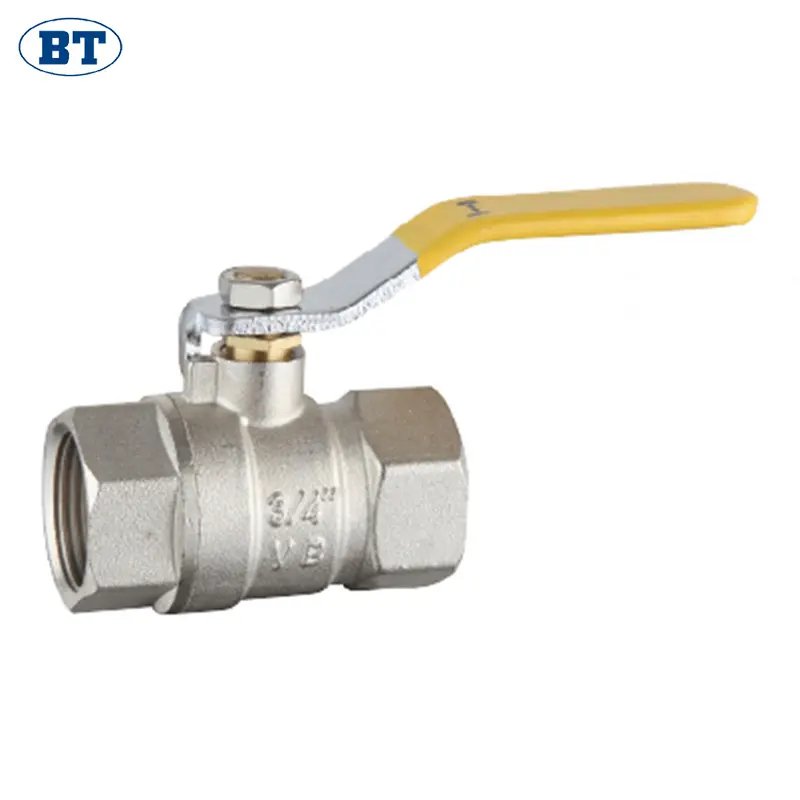
Corrosion Resistance: Why Brass Gas Ball Valves Excel in Natural Gas Environments
Defending Against H₂S and Moisture: How Dezincification-Resistant (DZR) Brass Ensures Long-Term Integrity
Natural gas pipelines face persistent threats from hydrogen sulfide (H₂S) and moisture—both of which accelerate corrosion in standard alloys. Dezincification-resistant (DZR) brass counters this through a precisely balanced copper-zinc ratio and controlled microstructure. Unlike conventional brass, DZR resists selective zinc leaching in wet, sulfide-laden environments—preventing the porous degradation, pitting, and cracking that compromise valve integrity. Its stable oxide layer forms uniformly and self-repairs minor surface damage during thermal cycling. Field data from municipal distribution networks show DZR brass gas ball valves retain 95% pressure containment after 15 years of continuous service—validating long-term structural reliability where standard brass fails.
Brass vs. Alternatives: Corrosion Performance Comparison in Low-Pressure Residential Gas Lines
Material selection directly impacts safety, longevity, and total cost of ownership in residential gas applications. Key performance distinctions include:
- Carbon steel valves: Develop visible rust within 3 years under trace moisture exposure; rust particles can abrade or embed in sealing surfaces, increasing leak risk
- Stainless steel alternatives: Resist uniform corrosion but remain susceptible to chloride-induced pitting—particularly problematic in coastal or de-icing salt–exposed installations
- Standard brass alloys: Begin dezincifying at H₂S concentrations above 50 ppm, leading to brittle, porous structures and premature failure
- DZR brass gas ball valves: Sustain uniform corrosion rates below 0.002 mm/year across typical natural gas compositions—including variable moisture and low-level H₂S
This corrosion resilience translates into real-world durability: DZR brass valves reduce replacement frequency by 40% compared to carbon steel in equivalent low-pressure residential service—making them the most cost-balanced, high-integrity solution for long-term installations.
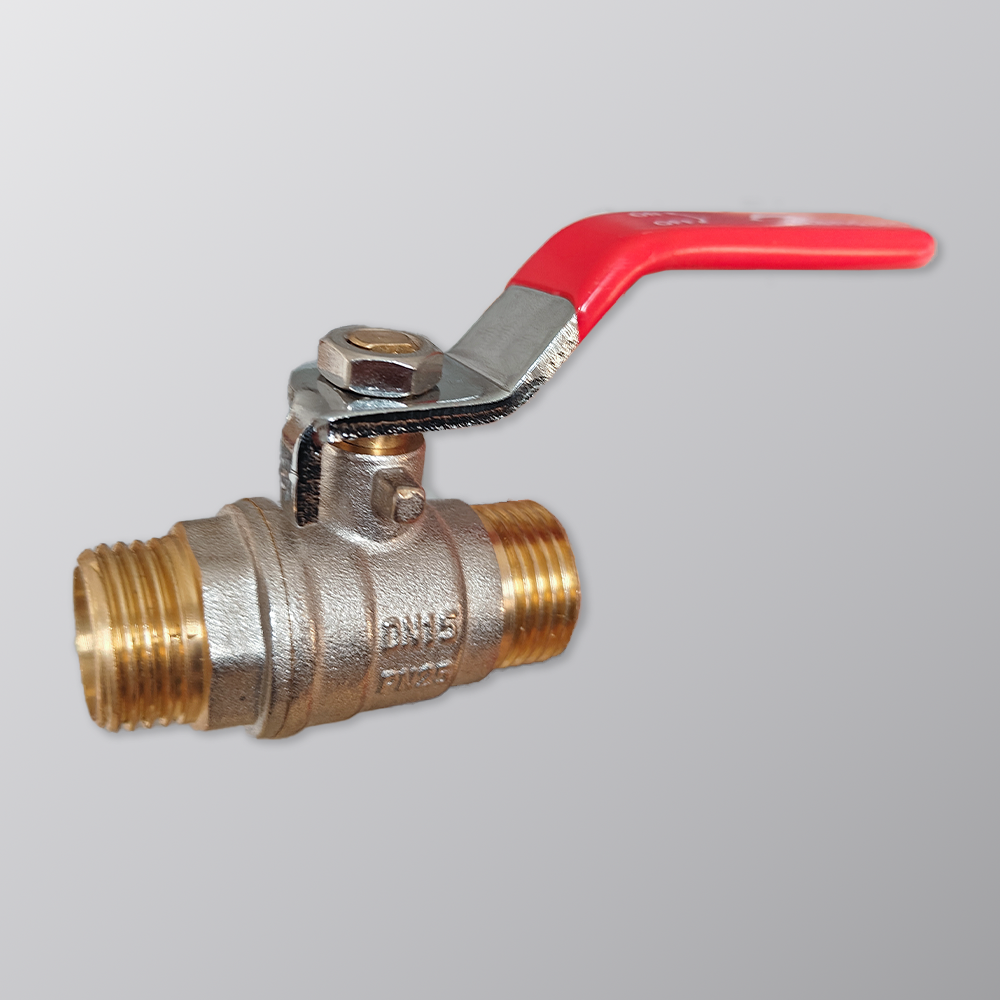
Leak-Tight Safety: Sealing Reliability of Brass Gas Ball Valves Under Real-World Conditions
Brass gas ball valves deliver critical leak-tight performance in natural gas systems through precision engineering and intrinsic material compatibility. Their robust design prevents hazardous gas escapes—even during pressure fluctuations, thermal transients, or repeated operation.
Achieving ISO 5208 Class VI Shutoff with Metal-to-Metal Sealing
ISO 5208 Class VI—the highest industrial shutoff standard—requires leakage ≤ 0.27 ml/min per inch of seat diameter. Brass gas ball valves achieve this benchmark via polished spherical balls mating with precisely machined brass seats, creating a reliable metal-to-metal seal. Unlike elastomer-sealed alternatives, this configuration avoids polymer degradation, swelling, or embrittlement in hydrocarbon-rich gas environments. Operational cycling tests confirm sustained Class VI performance beyond 5,000 cycles—ensuring consistent, maintenance-free sealing at frequently adjusted service points such as appliance isolation valves.
Thermal Stability: How Matching Coefficients of Expansion Prevent Cold-Flow Leakage
Thermal cycling is a major cause of leakage in mixed-material valves, where differential expansion creates gaps between seat and ball. Brass overcomes this through near-identical coefficients of thermal expansion across all primary components—housing, ball, and stem—approximately 18.7 μm/m·°C. This uniform response maintains consistent contact pressure across the full operating range (–20°C to 120°C), eliminating “cold-flow” leakage caused by seat deformation during rapid temperature shifts. The result is predictable, passive sealing integrity—without reliance on secondary gaskets or compensating mechanisms.
Compliance and Operational Fit: Pressure–Temperature Ratings Aligned with Natural Gas Standards
Brass gas ball valves are engineered to meet—and exceed—the rigorous pressure–temperature requirements of North American natural gas infrastructure, ensuring safety, longevity, and regulatory compliance.
Meeting ANSI Z21.15/CSA 6.15 Requirements: 100–150 psi WOG and –20°C to 120°C Performance
Certified brass gas ball valves conform to ANSI Z21.15/CSA 6.15—the definitive safety standard for fuel gas shut-off devices in residential and commercial applications. They are rated for 100–150 psi WOG (water, oil, gas) and operate reliably from –20°C to 120°C. These ratings reflect real-world extremes: the –20°C lower limit ensures fracture resistance in unheated garages or exterior meter sets, while the 120°C upper bound accommodates proximity to boilers, water heaters, and compressors. Independent testing verifies 15,000+ full-pressure endurance cycles without leakage—and Class VI shutoff compliance even at 150 psi (50% above typical residential pressures of 60–90 psi), delivering essential safety margins during surges. Third-party certification bodies enforce strict controls on alloy composition—including traceable DZR-grade brass—to prevent sulfide stress cracking in natural gas service.
| Performance Factor | ANSI Z21.15/CSA 6.15 Requirement | Real-World Significance |
|---|---|---|
| Pressure Rating | 100–150 psi WOG | Withstands pressure spikes up to 2× operating norms |
| Temperature Range | –20°C to 120°C | Prevents brittle fracture/softening in seasonal extremes |
| Endurance Cycles | 15,000+ full-pressure cycles | Ensures 30+ years of maintenance-free operation |
This alignment with continental standards guarantees fail-safe shutoff capability—critical where gas accumulation exceeding 1% concentration poses explosion hazards.
Cost–Performance Balance: Total Lifecycle Value of Brass Gas Ball Valves
While brass gas ball valves carry a higher initial purchase price than plastic or low-grade composite alternatives, their superior durability and compliance-driven reliability deliver unmatched total lifecycle value. DZR brass’s corrosion resistance reduces repair frequency by 63% compared to composites (Fluid Control Journal, 2024), while its metal-to-metal sealing eliminates elastomer-related failures and associated downtime. Replacement costs—typically accounting for 40% of total valve ownership expenses—are dramatically reduced, and gas loss from micro-leakage is virtually eliminated. A comprehensive lifecycle cost analysis (LCCA) consistently shows brass valves achieving 70% lower total ownership costs over 15 years versus lower-tier materials. When factoring in safety assurance, regulatory compliance, and decades of maintenance-free operation, brass gas ball valves represent the optimal investment for sustainable, resilient pipeline economics.
FAQ
Why are brass gas ball valves preferred in natural gas systems?
Brass gas ball valves, particularly those made from DZR brass, excel due to their corrosion resistance, long-term reliability, and ability to handle high-pressure conditions without developing leaks.
What makes DZR brass superior to regular brass or other metals?
DZR brass is specifically designed to resist dezincification, preventing structural degradation in moist or sulfide-rich environments. This makes it far more durable than regular brass, carbon steel, or even stainless steel in gas applications.
How do brass gas ball valves ensure leak-tight performance?
They achieve consistent sealing through metal-to-metal contact between polished brass components. Their thermal stability further prevents leakage under varying thermal conditions.
What certifications ensure the safety of brass gas ball valves?
Certified brass gas ball valves meet ANSI Z21.15/CSA 6.15 standards, encompassing operating pressures of 100–150 psi WOG and temperatures from –20°C to 120°C.
How do brass gas ball valves compare to plastic alternatives in cost-effectiveness?
Although brass valves have a higher upfront cost, their durability and reduced replacement frequency result in lower total ownership costs over time compared to plastic or composite options.
Table of Contents
- Corrosion Resistance: Why Brass Gas Ball Valves Excel in Natural Gas Environments
- Leak-Tight Safety: Sealing Reliability of Brass Gas Ball Valves Under Real-World Conditions
- Compliance and Operational Fit: Pressure–Temperature Ratings Aligned with Natural Gas Standards
- Cost–Performance Balance: Total Lifecycle Value of Brass Gas Ball Valves
- FAQ