 EN
EN

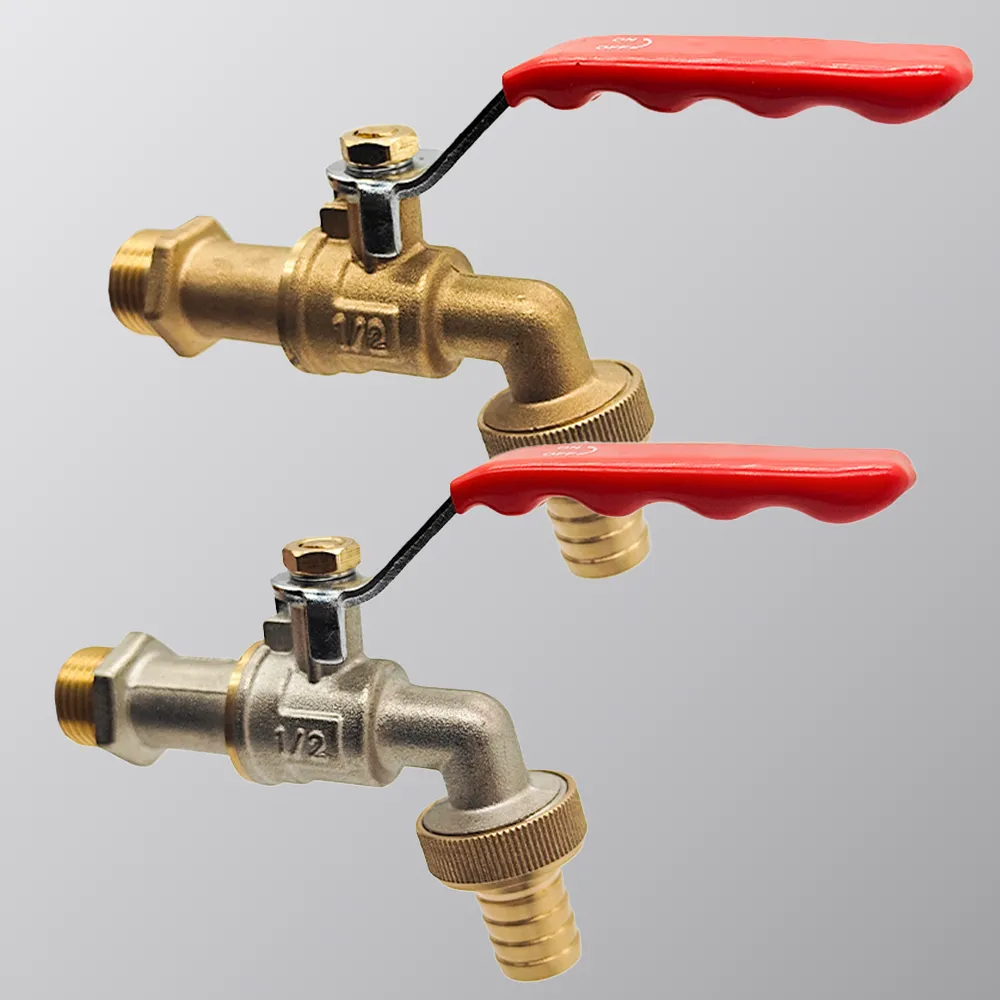
Outdoor Faucet Types Matched to Common Outdoor Tasks
Choosing the right outdoor faucet design directly impacts efficiency and ease for daily tasks. Matching specific features to your primary outdoor activities—gardening, vehicle care, or entertainment—ensures optimal performance while reducing water waste and physical strain.
Gardening & Irrigation: Threaded and Swivel-Head Faucets for Precision and Reduced Strain
For gardening and irrigation, a threaded connection prevents accidental hose detachment during use, minimizing water loss. Swivel-head designs allow directional adjustment without stressing hose connections—ideal for maneuvering around garden beds—and reduce repetitive bending or awkward positioning during prolonged watering. Models with ergonomic handles further decrease hand fatigue when adjusting flow rates frequently.
Car Washing & Pet Care: High-Flow and Quick-Connect Outdoor Faucet Designs That Save Time and Water
High-flow outdoor faucets deliver faster water volume for rinsing vehicles or filling pet baths, cutting task time by up to 25% compared to standard models. Quick-connect systems enable instant tool switching—between pressure nozzles, pet sprayers, or rinse wands—without shutting off water flow, eliminating restart delays and conserving water during intermittent use. Anti-siphon features maintain pressure stability even with rapid on/off cycling.
Outdoor Cooking & Entertaining: Dual-Temperature (Hot/Cold) Outdoor Faucets for Enhanced Functionality
Dual-temperature outdoor faucets provide hot water access for outdoor kitchens or cleaning grills, eliminating trips indoors for warm water. Cold water remains available simultaneously for beverage stations or rinsing produce. Thermostatic mixing valves prevent scalding risks near guests, while insulated housings maintain temperature efficiency—supporting complex outdoor meal prep without compromising convenience or safety.
Durability and Performance: Materials, Pressure Handling, and Safety Features
Brass vs. Stainless Steel Outdoor Faucets: Real-World Longevity and Corrosion Resistance
Brass remains a popular choice due to its inherent corrosion resistance—especially against mineral deposits in municipal water supplies. Stainless steel offers superior strength and enhanced resistance to saltwater corrosion, making it ideal for coastal areas or regions with aggressive water chemistry. While brass may develop patina over time, high-quality stainless steel models maintain both appearance and structural integrity longer under consistent exposure to moisture and temperature fluctuations. Both materials significantly outperform plastic alternatives in durability testing, with stainless steel’s higher initial cost often justified by extended service life in demanding applications.
Water Pressure Adaptability: How Quality Outdoor Faucets Maintain Performance at 40–80 PSI
Residential water pressure typically fluctuates between 40 and 80 PSI—a range that can challenge inferior outdoor faucets. Premium models feature precision-engineered internal components designed to withstand these variations without leaking or compromising flow control. Robust stem seals and reinforced valve seats prevent drips during pressure surges, while optimized waterways maintain consistent output whether filling a watering can or powering a high-pressure sprayer. This pressure adaptability ensures reliable functionality across diverse outdoor tasks and reduces wear on connected hoses and irrigation equipment by eliminating turbulent flow patterns common in poorly designed fixtures.
Backflow Prevention: Why ASSE 1019-Certified Outdoor Faucets Are Essential for Potable Water Safety
Backflow prevention is a critical safeguard for household drinking water. Outdoor faucets certified to ASSE (American Society of Sanitary Engineering) 1019 standards incorporate vacuum breakers that automatically create an air gap when water flow stops—preventing contaminants from being siphoned back into your home’s plumbing system. This certified protection is vital when using hose-end applicators for fertilizers, pesticides, or pet cleaning chemicals, as it blocks potential cross-connections that could compromise potable water supplies. Unlike standard faucets, ASSE 1019-certified models undergo rigorous third-party testing to verify their ability to maintain this protective barrier under real-world pressure conditions.
Climate-Ready Design: Freeze Protection and Year-Round Reliability
Frost-Free Outdoor Faucets Explained: How Extended Stems Prevent Freezing and Pipe Bursts
A frost-free outdoor faucet relies on a simple yet effective mechanism: an extended stem that places the shut-off valve deep inside the heated interior of the building. When you turn off the water, the valve closes at the end of that long stem, allowing the water in the exposed pipe to drain out through the open spigot. This eliminates standing water in the vulnerable section of the pipe, preventing ice formation and resulting bursts. Proper installation requires a slight downward slope toward the faucet to ensure complete drainage. By using this passive freeze-protection method, homeowners avoid the complexity and energy costs of heat tape or drain valves—making the frost-free outdoor faucet a reliable, low-maintenance winter-ready solution.
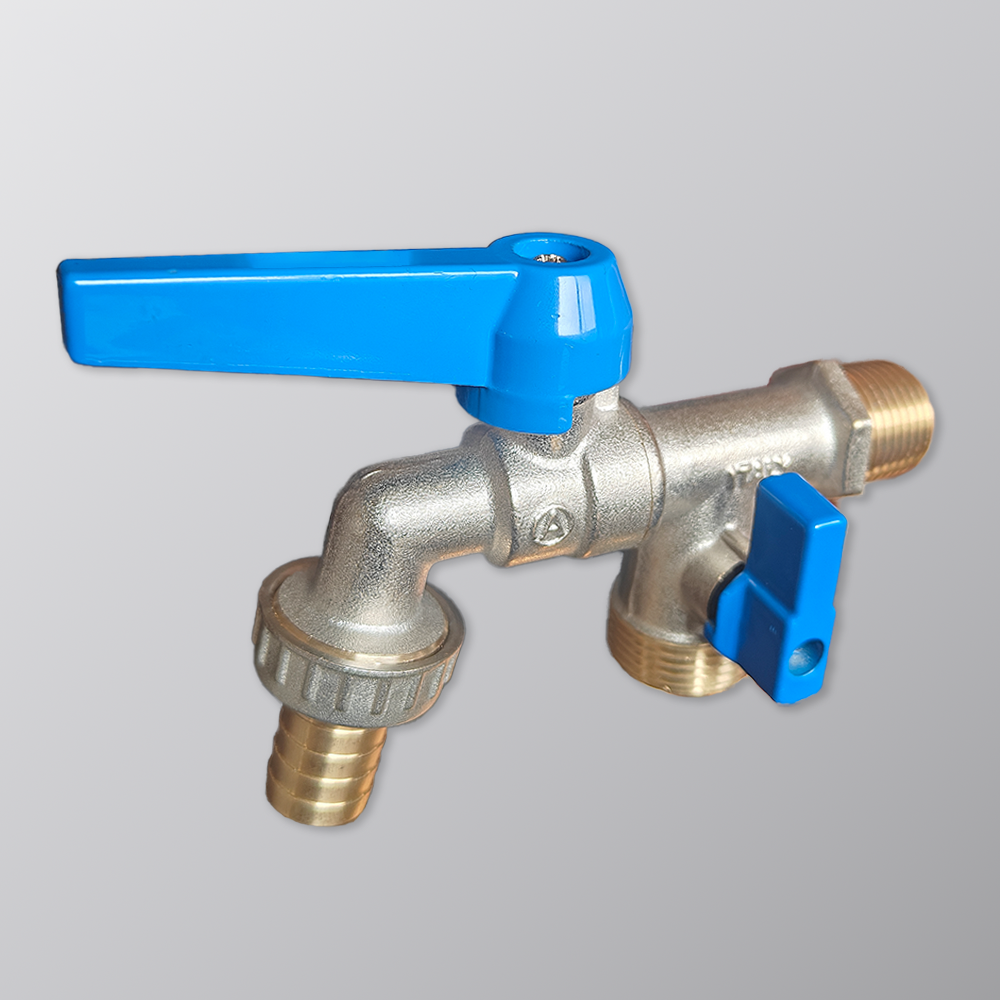
Smart Placement and Water Conservation Benefits of Strategic Outdoor Faucet Installation
Strategic outdoor faucet placement maximizes utility while conserving water. Thoughtful positioning near key usage areas reduces hose length, minimizing pressure loss and water waste—supporting efficient outdoor water management across diverse applications.
Optimizing Multiple Uses: Simultaneous Garden Irrigation and Vehicle Rinse Without Flow Conflict
Properly spaced outdoor faucets enable simultaneous tasks without pressure drops. Installing separate faucets for garden zones and vehicle washing areas prevents flow conflict—allowing watering plants while rinsing cars using dedicated circuits and maintaining consistent pressure within the optimal 40–80 PSI range. According to the U.S. Environmental Protection Agency (EPA), efficient distribution systems like zoned faucet layouts can reduce outdoor water waste by up to 30%.
Reducing Waste Through Zoned Access: How Additional Outdoor Faucets Lower Overall Water Demand
Adding multiple outdoor faucets creates targeted water zones that align with specific needs—dedicated lines for gardens, cleaning stations, and entertainment areas eliminate unnecessary hose dragging. This zoned approach:
- Reduces water loss from long hose runs
- Prevents overwatering distant or unintended areas
- Lowers maintenance needs through localized control
Zone-specific access helps households monitor consumption patterns and identify conservation opportunities—turning infrastructure decisions into measurable water savings.
FAQ
What type of outdoor faucet is best for gardening?
Threaded and swivel-head faucets are ideal for gardening. They help ensure precision watering and reduce any strain caused by directional adjustments.
What features should I look for in faucets for car washing or pet care?
High-flow outdoor faucets and quick-connect systems are perfect for these tasks as they offer faster water volume and allow instant tool switching without interrupting water flow.
How can dual-temperature faucets benefit outdoor cooking and entertaining?
Dual-temperature faucets allow access to hot water for cleaning or cooking while offering cold water for serving and rinsing produce, ensuring enhanced functionality and convenience.
What’s the advantage of frost-free faucets?
Frost-free faucets prevent freezing and pipe bursts by draining exposed water, making them a reliable, low-maintenance solution for winter readiness.
Why is backflow prevention important?
Backflow prevention ensures contaminants like fertilizers or chemicals don't enter the home’s potable water supply, protecting drinking water safety.
Why should I install multiple outdoor faucets?
Installing additional faucets creates specific water zones, reducing long hose runs, preventing water waste, and lowering maintenance needs.
Table of Contents
- Outdoor Faucet Types Matched to Common Outdoor Tasks
- Durability and Performance: Materials, Pressure Handling, and Safety Features
- Climate-Ready Design: Freeze Protection and Year-Round Reliability
- Smart Placement and Water Conservation Benefits of Strategic Outdoor Faucet Installation
-
FAQ
- What type of outdoor faucet is best for gardening?
- What features should I look for in faucets for car washing or pet care?
- How can dual-temperature faucets benefit outdoor cooking and entertaining?
- What’s the advantage of frost-free faucets?
- Why is backflow prevention important?
- Why should I install multiple outdoor faucets?