 EN
EN

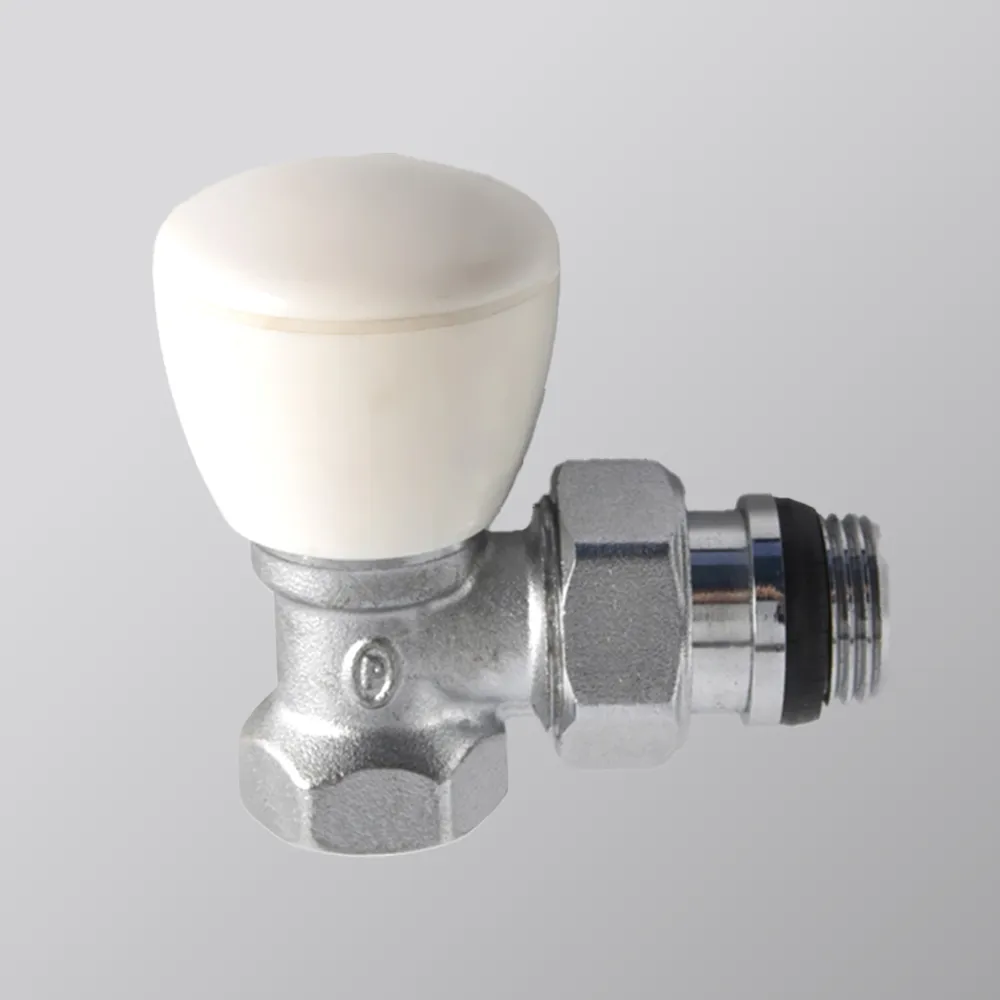
Unmatched Corrosion Resistance and Long-Term Durability
Dezincification-resistant (DZR) brass valve performance in potable water systems
When plumbing systems handle potable water, corrosion can compromise both water quality and infrastructure longevity. Dezincification-resistant (DZR) brass valves solve this challenge by preventing selective zinc leaching—a degradation mechanism that weakens standard brass in aggressive water chemistry. Unlike conventional alloys, DZR formulations maintain structural integrity in high-chloride, low-pH, or soft water environments, eliminating pitting, porosity, and premature failure. Municipalities and commercial builders favor them not only for compliance with strict water purity standards—including NSF/ANSI 61 and EN 13828—but also for their proven ability to reduce leak-related service disruptions across residential and public distribution networks.
50+ year service life validated by ISO 6509-2014 in municipal infrastructure
Longevity directly impacts infrastructure budgets—and independent testing per ISO 6509-2014 confirms that certified DZR brass valves deliver a service life exceeding 50 years in real-world municipal potable water systems. This internationally recognized standard evaluates dezincification resistance under accelerated, controlled conditions, providing objective verification of alloy stability over decades. Infrastructure planners use this validated lifespan to optimize capital planning: extending replacement cycles, minimizing operational downtime, and improving long-term asset forecasting. The result is a valve that sustains reliable sealing performance, precise flow control, and mechanical resilience—delivering predictable, low-maintenance operation for water utilities committed to extending asset useful life.
Global Regulatory Compliance Driving Brass Valve Adoption
Lead-free brass valve standards: US Safe Drinking Water Act, EU Directive 2020/2184, and EN 14906 alignment
Stricter water safety mandates across major economies are reshaping the brass valve industry. In the U.S., the Reduction of Lead in Drinking Water Act—enforced under the Safe Drinking Water Act—limits lead content in wetted surfaces to 0.25% weighted average, effectively mandating lead-free alloys like C26000 and C27000. Across Europe, the recast EU Directive 2020/2184 lowers the permissible lead concentration at the tap to 10 µg/L, requiring manufacturers to comply with EN 14906—the harmonized standard specifying test methods, certification protocols, and performance criteria for metallic components in contact with drinking water. This regulatory convergence creates a unified compliance threshold: valves intended for global markets must meet overlapping requirements from all three jurisdictions. To achieve this, leading foundries invest in advanced metallurgy, DZR-enhanced lead-free formulations, and third-party certification through bodies like NSF International and WRAS. While these efforts raise upfront development costs, they unlock access to regulated plumbing sectors—where non-compliant valves are excluded outright.
78% adoption rate of lead‑free brass valves (C26000/C27000) in North American residential specifications (2023 ASSE data)
The shift to lead-free materials is now the dominant specification—not a pending trend. According to 2023 data from the American Society of Sanitary Engineering (ASSE), 78% of new residential plumbing designs in North America specify lead-free brass valves in grades C26000 or C27000. This widespread adoption reflects both regulatory enforcement and practical advantages: contractors choose these alloys for their equivalent pressure tolerance and corrosion resistance to traditional brass—without the risk of lead leaching. Plumbers benefit from consistent dimensional stability during thermal cycling, reducing installation errors and post-installation callbacks. For manufacturers, the figure signals a permanent market transition: production lines dedicated to leaded brass are being phased out, while R&D focuses on optimizing C26000/C27000 for higher flow coefficients (Cv), extended cycle life, and seamless integration with smart metering systems. Remaining non-compliant supply chains—largely confined to uncertified or low-cost segments—are increasingly excluded from major residential projects, as adherence to ASSE 1069 (the lead-free valve standard) becomes a baseline requirement for market entry.
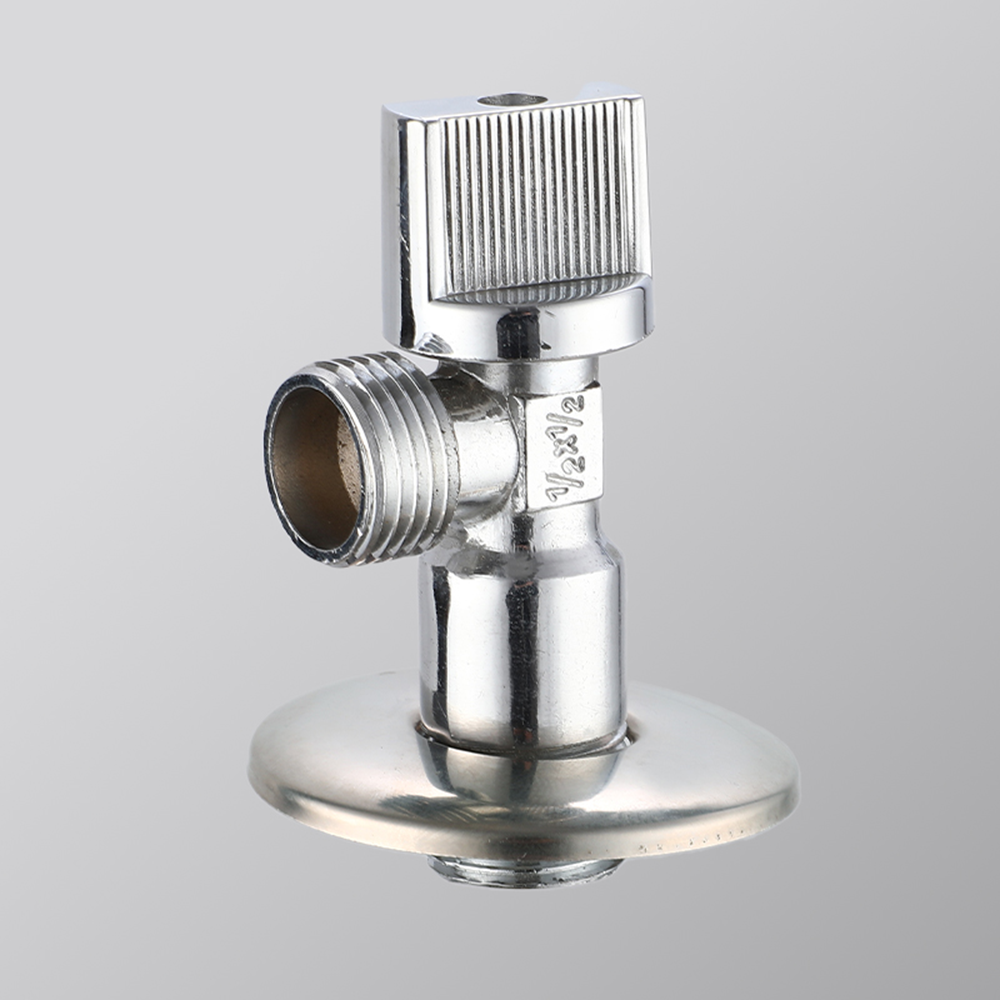
Superior Total Cost of Ownership Across Plumbing Applications
Brass valve TCO advantage: 3.2× lower 10-year maintenance cost vs. stainless steel in hot/cold water systems (AWWA M22)
Total Cost of Ownership (TCO) captures the full economic impact of an asset—from procurement and installation through maintenance, repair, and end-of-life replacement. When evaluated against alternatives in hot and cold water systems, brass valves demonstrate compelling TCO advantages. Per AWWA M22 guidance, brass valves incur 3.2 times less maintenance expenditure over a 10-year period than stainless steel equivalents. This efficiency stems from brass’s dual strength: innate resistance to dezincification and scaling, plus mechanical durability under repeated pressure surges and thermal stress. Municipal water districts report 40% fewer emergency repairs when using brass versus polymer valves, while its superior machinability reduces installation labor by up to 25% compared to specialized alloys like duplex stainless steel. Life-cycle costing consistently shows brass outperforming competitors across residential, commercial, and industrial applications—not because it’s the lowest initial-cost option, but because its reliability translates into fewer service interruptions, longer intervals between replacements, and reduced lifecycle risk.
FAQ
What is a dezincification-resistant (DZR) brass valve?
A DZR brass valve is designed to resist dezincification, a process where zinc leaches out from brass in aggressive water conditions, leading to structural weaknesses and damage.
Why is DZR brass important for potable water systems?
DZR brass prevents corrosion and ensures long-term durability, making it ideal for potable water systems that require compliance with strict water purity standards.
How long do DZR brass valves typically last?
Independent testing shows that certified DZR brass valves can provide a service life exceeding 50 years in municipal potable water systems.
What regulations apply to lead-free brass valves?
Key regulations include the US Safe Drinking Water Act, the EU Directive 2020/2184, and standards like NSF/ANSI 61, EN 13828, and EN 14906, which mandate lead-free brass alloys for potable water systems.
What is the adoption rate for lead-free brass valves in North America?
According to 2023 data from the American Society of Sanitary Engineering, 78% of North American residential plumbing designs specify lead-free brass valves. This highlights the widespread shift towards safer plumbing materials.
How do brass valves compare to stainless steel in terms of maintenance?
Brass valves incur 3.2 times less maintenance cost over a 10-year period compared to stainless steel, thanks to their resistance to scaling, dezincification, and thermal stress.