 EN
EN

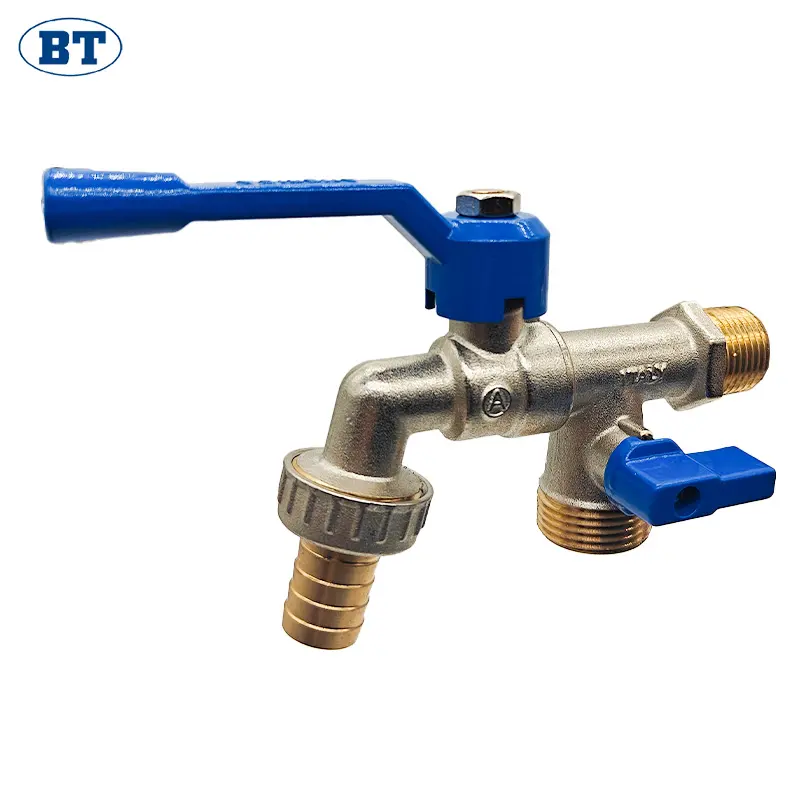
Brass Tap Compatibility: Seamless Integration with Modern Plumbing Systems
Thermal expansion matching with copper and PEX piping for stress-free joints
Brass taps exhibit a thermal expansion coefficient closely aligned with both copper and PEX (cross-linked polyethylene) piping. This compatibility minimizes differential movement at connection points during temperature fluctuations—reducing joint stress and the risk of leaks. Combined with brass’s inherent ductility, this alignment allows minor flexing without compromising seal integrity. As a result, brass taps integrate reliably into new builds and retrofits, adapting seamlessly to existing plumbing systems for long-term stability.
BSP thread standardization (ISO 228) enabling leak-free, tool-agnostic installation
Brass taps universally employ British Standard Pipe (BSP) threads, standardized under ISO 228. This global specification ensures consistent fitment across fixtures and pipe materials, eliminating the need for adapters or proprietary tools. The parallel thread design forms a robust, corrosion-resistant seal that maintains leak-free performance over decades. By adhering to this widely recognized standard, brass taps support efficient, error-resistant installation—reducing labor time and enhancing reliability for contractors and DIY users alike.
Brass Tap Durability: Corrosion Resistance and Long-Term Reliability
Dezincification-resistant (DZR) brass and the protective passivation layer in chlorinated water
Dezincification-resistant (DZR) brass is engineered specifically to withstand aggressive water chemistry, including chlorinated municipal supplies. Unlike standard brass, DZR alloys resist selective zinc leaching through controlled microstructure and optimized copper–zinc ratios. When exposed to oxidizing agents like chlorine, DZR brass spontaneously forms a self-healing passivation layer composed primarily of copper oxide and zinc carbonate. This barrier remains stable even in high-chloride environments (≥200 ppm), making DZR brass the preferred specification for public infrastructure and high-performance residential systems.
Proven 50+ year service life in real-world municipal and residential installations
Brass taps consistently deliver generational durability—validated by over a century of field performance. Original brass fittings in London’s Victorian buildings remain fully operational after 150 years, surviving multiple system upgrades and changing water chemistries. Accelerated aging tests simulating 50 years of service confirm minimal degradation in properly specified DZR brass, retaining 97% of original mechanical strength and dimensional stability. This track record establishes brass as the benchmark material for critical, low-maintenance applications—where replacement is costly, inaccessible, or operationally disruptive.
Brass Tap Safety: Ensuring Lead-Free Drinking Water Compliance
Compliance with lead-free regulations is essential for any brass tap intended for potable water. Two critical aspects are certification to strict lead content limits and proactive practices to prevent leaching from stagnant water.
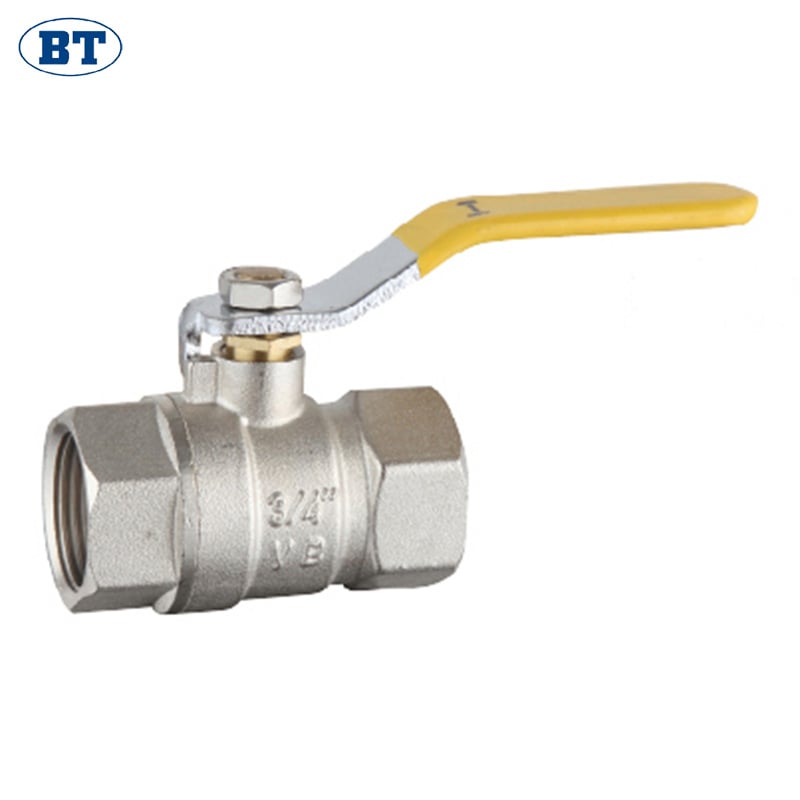
NSF/ANSI 61 & 372 certification: Why <0.25% weighted average lead is non-negotiable
U.S. federal law—the Reduction of Lead in Drinking Water Act—requires that the weighted average lead content in wetted surfaces of plumbing components, including brass taps, must not exceed 0.25%. NSF/ANSI 61 certifies that a product does not leach harmful contaminants into drinking water, while NSF/ANSI 372 verifies compliance with the lead content limit. To meet these standards, manufacturers substitute lead with safer alloying elements such as bismuth or selenium and refine production processes to preserve brass’s strength, pressure resistance, and machinability. This dual-certification framework is the definitive assurance of public health safety—and is mirrored by equivalent requirements in Europe (e.g., EN 14905) and other regulated markets.
Mitigating stagnation risk: Best practices to reduce lead leaching after extended dwell time
Even NSF/ANSI 372-compliant brass taps can release trace lead ions when water remains stagnant for several hours—a phenomenon driven by electrochemical dissolution at the metal–water interface. To minimize exposure, flush cold-water taps for 15–30 seconds each morning or after any non-use period exceeding six hours. For added protection, install point-of-use filters certified to NSF/ANSI 53 or 58 for lead reduction. During commissioning, follow the manufacturer’s initial flushing protocol to remove machining residues and surface oxides. Ongoing water quality monitoring—especially in older buildings or areas with variable water chemistry—ensures continued compliance and reinforces confidence in the tap’s long-term safety.
FAQ
Q: Why is thermal expansion matching important for brass taps?
A: Thermal expansion matching minimizes differential movement between brass taps and piping materials like copper or PEX, reducing joint stress and the risk of leaks during temperature fluctuations.
Q: What is BSP thread standardization, and why is it beneficial?
A: BSP (British Standard Pipe) thread standardization under ISO 228 ensures consistent fitment across various fixtures and materials while supporting leak-free installations that require fewer tools.
Q: How does DZR brass resist dezincification?
A: DZR brass uses controlled microstructure and optimized copper–zinc ratios, forming a self-healing passivation layer to resist aggressive water chemistry, including chlorinated supplies.
Q: What certifications ensure lead-free compliance in brass taps?
A: Brass taps certified under NSF/ANSI 61 and 372 ensure compliance with standards like <0.25% weighted average lead and verify that harmful contaminants won’t leach into drinking water.
Q: How can I minimize lead leaching from brass taps?
A: Flush taps for 15–30 seconds after periods of non-use and consider installing point-of-use filters certified for lead reduction. Follow manufacturer protocols for optimal safety.