 EN
EN

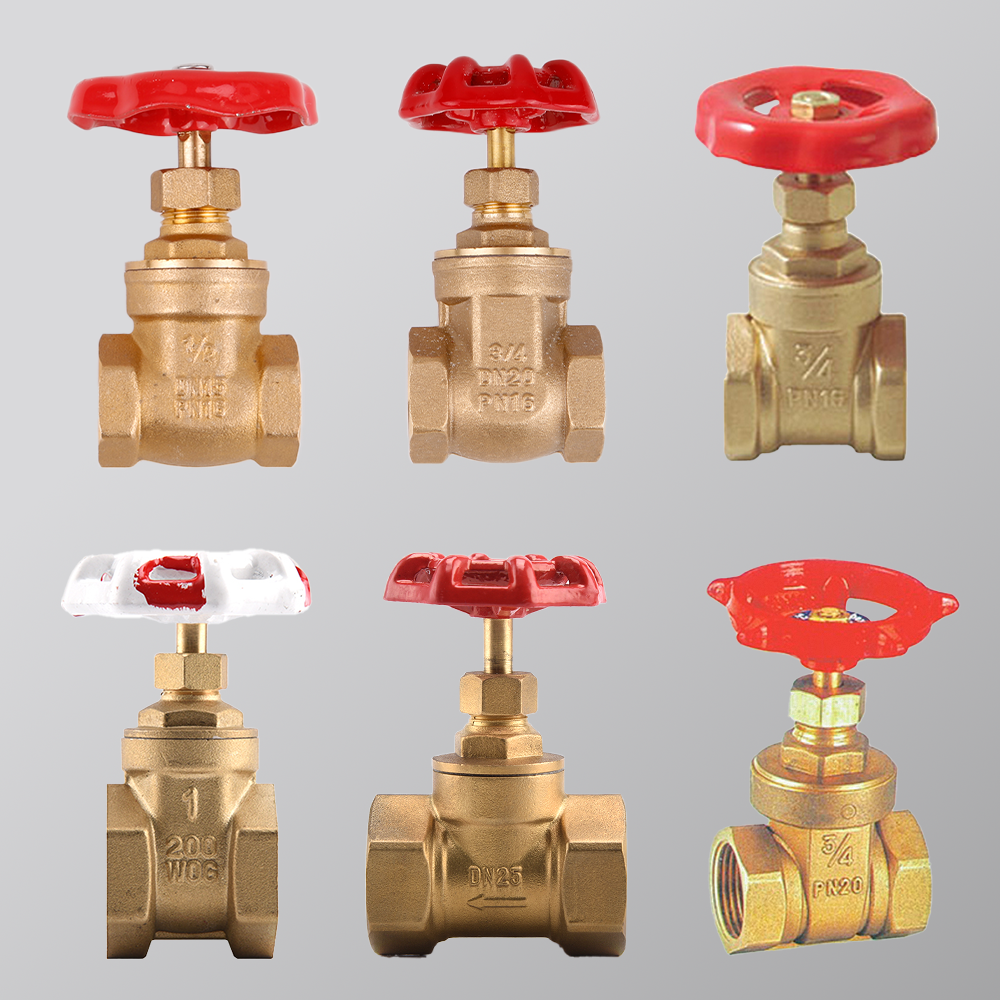
Superior Corrosion Resistance in Diverse Fluid Environments
Dezincification resistance: How brass valves outperform carbon steel in potable and non-potable water systems
When it comes to water systems, brass valves really stand out because they resist dezincification much better than carbon steel options work in both drinking water and non-drinking water applications. Carbon steel tends to corrode pretty fast in potable water situations, sometimes going beyond 0.1 mm per year. Brass on the other hand creates this stable zinc oxide layer that actually repairs itself over time, which stops the metal from wearing away. What makes brass so reliable is how well this protective coating works even in tough conditions like brackish water or systems with lots of minerals running through them. Most carbon steel valves start showing problems after just 3 to 5 years in these environments. Field tests have shown that brass valves can last over 15 years in city water systems, cutting down on replacements by about two thirds when compared to regular steel valves. Plus, there's no need for those special coatings that tend to break down when water keeps flowing constantly through them.
Empirical validation: ASTM B111 data confirms <0.005 mm/year corrosion rate in municipal water (pH 6.5–8.5)
Testing under ASTM B111 standards shows how well brass valves resist corrosion when exposed to actual conditions. The tests found degradation rates staying below 0.005 mm per year in city water systems where pH levels range between 6.5 and 8.5. After five years of constant exposure, this tiny rate means almost no loss of wall thickness, even after valves have been in service for decades. Brass maintains good performance throughout the entire pH spectrum found in drinking water systems. Many other materials actually corrode faster at the extreme ends of the pH scale. Real world evidence from water distribution networks across Europe backs up these results too. Valves there operated without leaks for over twelve years with no noticeable drop in performance, lasting about three times longer than polymer valves used in high pressure mains throughout the region.
Lead-free brass valve alloys (C69300, C26000) — balancing NSF/ANSI 61 compliance with machinability and performance
Lead free alloys C69300 and C26000 mark something pretty significant in materials development. They actually go beyond what's required by NSF/ANSI 61 standards for safe drinking water applications, keeping lead levels below 0.1% while still maintaining good mechanical properties during manufacturing. What makes these alloys stand out is their ability to handle yield strengths over 300 MPa and fight off stress corrosion cracking problems that typically plague materials exposed to chlorinated water systems. Tests where samples were submerged in chlorinated conditions showed absolutely no signs of corrosion after sitting there for two whole years. Plus, when it comes to working with these materials, machinists report around 95% of the ease they get with regular leaded brass. This means complicated threading operations can be done much quicker too, about 85% faster than what's possible with stainless steel alternatives. Another big plus is how the composition allows manufacturers to create valves with thinner walls. This cuts down on overall weight by roughly 25%, yet still maintains pressure resistance capabilities all the way up to 1,000 pounds per square inch.

Proven Durability Under High-Pressure and High-Temperature Conditions
Mechanical resilience: Yield strength ≥300 MPa and thermal stability up to 200°C for HVAC, steam condensate, and industrial service
Brass valves offer both strong mechanical properties and excellent thermal stability, able to handle yield strengths around 300 MPa or higher while keeping their shape even when temperatures reach about 200 degrees Celsius. Because of these characteristics, they work really well in tough situations such as steam condensate return lines, fast moving HVAC systems, and various industrial settings where equipment goes through repeated heating and cooling cycles. When compared to polymer materials which tend to get soft or deform when heated, brass keeps its sealing power and overall shape after going through countless temperature changes. This means fewer leaks and better performance when dealing with pressurized steam over time.
Real-world validation: 12-year field performance of brass valves in Singapore's saline-marine infrastructure
The coastal water systems in Singapore offer some pretty convincing proof about how tough brass can be under harsh conditions. These systems deal with constant salt spray, really high humidity levels, and temperatures that swing wildly throughout the day. Brass valves installed there have been running nonstop for over a decade now, and failures? Less than one tenth of a percent even when chloride levels in the water go way above 500 parts per million. Why does brass hold up so well? It has this natural protective layer rich in zinc that fights off salt damage. Stainless steel usually needs extra coatings to stand up to similar abuse in marine environments, but brass just seems to handle it without all that fuss.
Unmatched Versatility Across Fluid Types and Global Sectors
Multi-fluid compatibility: Certified performance with water, compressed air, LPG, glycol, and mild chemicals (ISO 5208 Class A leakage)
Brass valves work great for all sorts of different fluids actually including things like drinking water, compressed air systems, LPG applications, glycol based heating systems, and even some mild chemicals. What makes them so good is their ability to resist rust and maintain pressure seals without needing special adjustments for each type of fluid they handle. The valves meet those strict ISO 5208 Class A standards which basically means they leak less than half a tenth of a percent compared to normal flow rates. That kind of tight seal really matters when looking at everything from home plumbing setups to big industrial complexes around the world. Because these valves can handle so many different substances, companies save money on buying multiple types, keep their warehouse stock simpler, and ultimately spend less overall on maintenance and replacements throughout large scale construction projects where having standardized parts makes life much easier for engineers and technicians alike.
Optimal Total Cost of Ownership vs. Stainless Steel and Other Alternatives
TCO advantage: 40% lower procurement cost + 30% faster installation — 5.2-year ROI in residential plumbing retrofits
When looking at total cost of ownership, brass valves clearly come out ahead of stainless steel options and many other materials on the market. The procurement price tag drops around 40% because brass works better with existing manufacturing processes and requires less material overall. Getting these valves installed takes about 30% less time since plumbers just need regular tools and don't have to go through special training programs. According to data from PHCC industry standards, this combination leads to a pretty quick payback period of roughly 5 years for homeowners upgrading their plumbing systems. Another big plus is that brass stands up much better against corrosion, which means fewer unexpected replacements down the road. Studies looking at lifetime performance indicate that brass valve systems actually cut down total ownership costs by nearly a third when used in areas where they're constantly exposed to moisture. For anyone concerned about both wallet and reliability over the long haul, brass remains the smart economic pick for controlling fluids effectively year after year.
Table of Contents
-
Superior Corrosion Resistance in Diverse Fluid Environments
- Dezincification resistance: How brass valves outperform carbon steel in potable and non-potable water systems
- Empirical validation: ASTM B111 data confirms <0.005 mm/year corrosion rate in municipal water (pH 6.5–8.5)
- Lead-free brass valve alloys (C69300, C26000) — balancing NSF/ANSI 61 compliance with machinability and performance
- Proven Durability Under High-Pressure and High-Temperature Conditions
- Unmatched Versatility Across Fluid Types and Global Sectors
- Optimal Total Cost of Ownership vs. Stainless Steel and Other Alternatives