 EN
EN

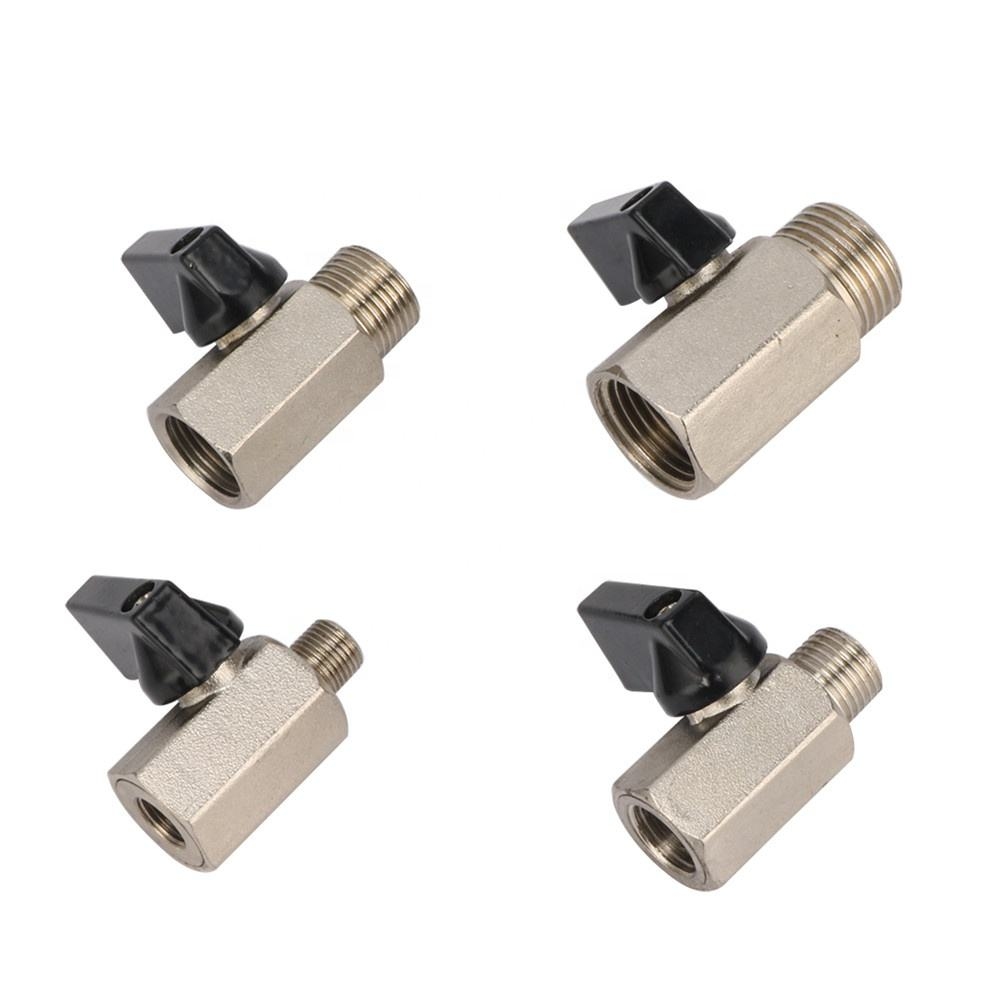
Why CE and ISO 9001 Certification Matter for Brass Ball Valves
CE Marking: Legal Access and Safety Assurance Under PED 2014/68/EU
The CE mark isn't just some fancy sticker for brass ball valves wanting to enter the European market—it's actually a legal requirement showing compliance with the Pressure Equipment Directive (PED) 2014/68/EU. Valves dealing with fluids under 0.5 bar pressure fall under this regulation, which demands thorough checks on everything from design specs to material quality and how they're made. To meet standards, manufacturers need to conduct proper hydraulic burst tests, maintain clear records of materials used (like CW617N or CW614N certifications), and prove their products can contain pressure without leaking more than 0.1% of their rated capacity over time. They also have to ensure compatibility with different types of fluids. When companies skip these steps, the consequences are serious: getting banned from selling in Europe, facing massive liability costs that can top $740,000 according to Ponemon Institute research from 2023, and losing all insurance protection against accidents.
ISO 9001: Evidence of Consistent Quality Control — Not Just Paper Compliance
| Certification Trait | Paper Compliance Risk | ISO 9001 Implementation |
|---|---|---|
| Quality Documentation | Theoretical procedures | Audited process maps |
| Defect Prevention | Reactive corrections | Statistical process control |
| Traceability | Batch sampling | Full material genealogy |
Getting ISO 9001 certified means a company is serious about how things actually work on the ground, not just following paper rules. When manufacturers have this certification, they put quality at the heart of everything they do. They source brass that meets DZR standards (like EN 12165 CW602N), keep parts sized correctly down to within 0.05mm, test torque regularly using machines, and manage defects so that leaks happen less than 0.25% of the time. These companies also go through annual checks to make sure they're always getting better. From an engineering perspective, all this adds up to components that last reliably for over 15 years in drinking water systems. And that reliability saves money too. Facilities can avoid spending around $220,000 when replacing equipment early because of poor quality, according to research from WaterRF back in 2023.
Critical Technical Specifications for Reliable Brass Ball Valve Performance
Pressure-Temperature Ratings: Decoding EN 1984, ISO 5211, and Material-Specific Limits
The pressure-temperature ratings basically tell engineers what's safe when running valves, and these standards show up in documents like EN 1984 for industrial valve performance and ISO 5211 regarding actuator mounts. When folks push beyond those limits? Well, according to Plant Engineering from last year, around one third of all valve problems in the field come down to this exact issue. Brass ball valves behave differently based on their metal composition. Take CW617N alloy for instance it generally handles pressures between 16 to 25 bar at 120 degrees Celsius. But watch out when temperatures climb past 150C the metal expands so much that standard ratings need adjusting to avoid seal issues or leaks. Never rely solely on generic tables either. Always check those manufacturer specific P-T charts against what's actually happening in the system. Some plants have learned this lesson the hard way after costly repairs from following outdated guidelines instead of proper specifications.
Brass Alloy Suitability (CW617N/CW614N): Corrosion Resistance, Dezincification Risk, and System Compatibility
The choice of alloy really determines how reliable something will be over time. CW614N works well where costs matter most and risks are low. But when dealing with drinking water systems, acidic conditions, or places with chlorine, CW617N becomes necessary because it has better resistance against dezincification. Dezincification happens much faster if the pH drops under 6.5 or there's more than 100 ppm of chloride present. That's why getting certified for DZR according to EN 12165 standards isn't optional anymore in these situations. And don't forget about gas services either. Sulfur resistance needs checking against ISO 6957 requirements too. Using wrong materials can lead to corrosion rates that are up to eight times higher compared to proper ones. Fixing this kind of damage costs businesses on average around $740,000 according to recent industry reports from Materials Performance in 2023.
How to Verify Authentic CE and ISO 9001 Certification for a Brass Ball Valve
Step-by-Step Validation: Cross-Checking DoC, Notified Body Numbers, and ISO Scope Certificates
Authentic certification requires verifiable evidence—not just documents on file. Begin with the CE Declaration of Conformity (DoC): confirm it explicitly cites PED 2014/68/EU and lists the exact valve model. Then validate the 4-digit Notified Body number through the European Commission NANDO database.
When dealing with ISO 9001 certifications, it's important to actually get hold of the complete certificate document and check if it's still valid by visiting the website where it was issued, like UKAS or ANSI-ASQ sites. The real test comes in looking at what exactly the certificate covers. It needs to specifically mention "design and manufacture of brass ball valves" somewhere in there. Just having something vague like "metal components" or "valve assemblies" listed doesn't cut it. We've seen companies present these generic certificates thinking they're good enough, but unless the wording is specific to brass ball valves, it's basically just window dressing rather than genuine quality assurance.
Key Tip: Genuine CE conformity requires accessible technical documentation—including design calculations, certified material test reports (e.g., CW617N tensile strength and composition), and pressure test records per EN 1984. Always request and review these.
Fraudulent or incomplete certifications expose buyers to penalties under EU Regulation 765/2008, including fines exceeding €500k.
Selecting a Trusted Brass Ball Valve Manufacturer or Supplier
When selecting suppliers, make sure they have up to date certifications for PED 2014/68/EU and ISO 9001:2015 that can actually be verified through proper databases and documentation about their scope. But don't stop at just looking at the certificates themselves. Check for real proof of implementation too. This includes things like material traceability reports, which should contain mill test certificates specifically for materials such as CW617N and CW614N. Also look for documentation that aligns with EN 1984 standards regarding pressure temperature ratings, plus third party validations showing how well products perform against leakage standards set by ASME B16.104 Class IV. Companies that specialize in certain industries tend to know what they're doing better. Think about manufacturers who work extensively in areas like water treatment systems, chemical processing plants, or HVAC applications. These folks generally understand corrosion issues much better, know how equipment handles repeated thermal changes, and grasp the complexities involved when integrating components into larger systems. And let's not forget about companies that provide actual engineering help. When manufacturers offer assistance with sizing requirements or even conduct thorough failure analysis to find out why something went wrong, they create real value over time. This kind of support ultimately cuts down on overall costs across the entire product lifecycle.