 EN
EN

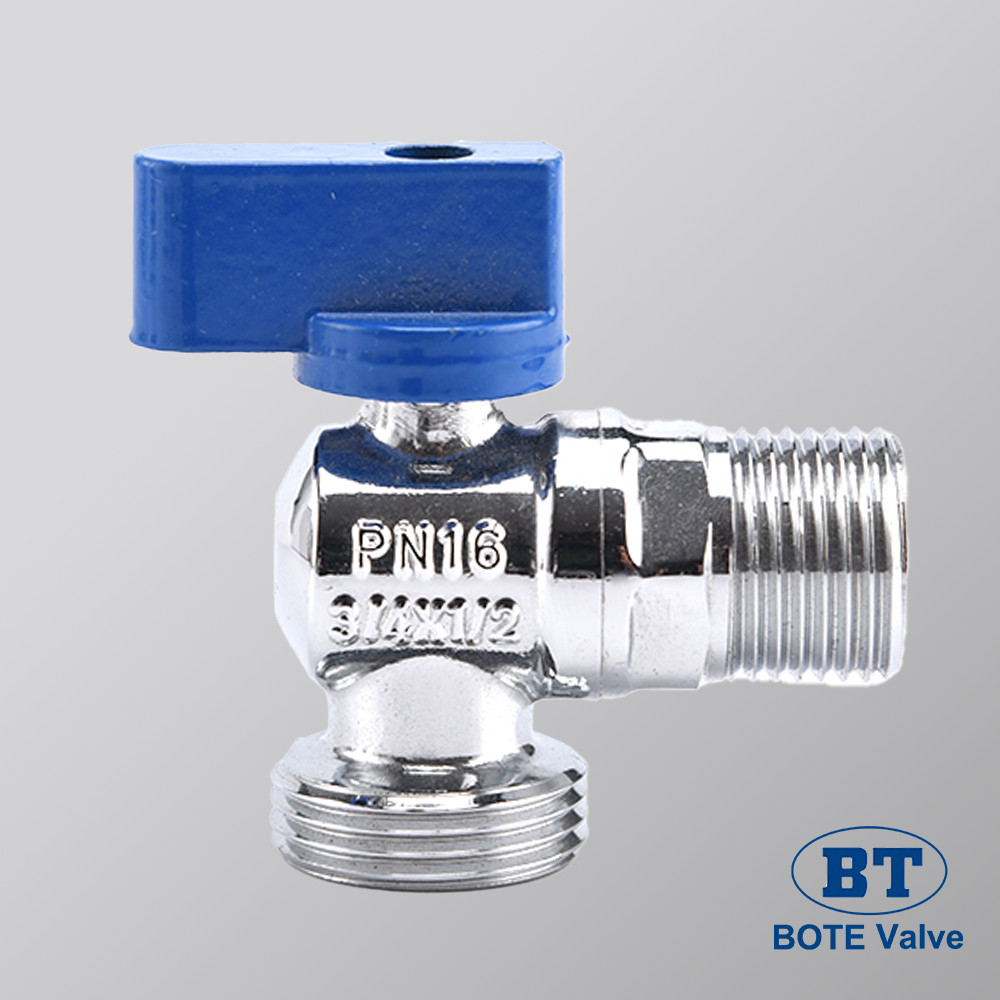
Core Applications of Angle Valves Across Residential and Industrial Settings
The 90 degree angle valve design makes these components essential for controlling fluid flow across many different environments. Home plumbers install them behind toilets, under sinks, and near dishwashers so homeowners can shut off water to specific fixtures during repairs without turning off all water in the house. For drinking water lines, most professionals stick with brass valves that meet NSF/SDWA standards since safety matters most when humans consume what flows through those pipes. Restaurant kitchens need reliable angle valves too, especially around commercial dishwashers and prep station sinks that get serviced several times a week. When we look at industrial settings, things get even more interesting. HVAC technicians use angle valves to manage refrigerant flow, while factory engineers install them in tight spaces where straight valves just won't fit in high pressure pipeline systems. Chemical plants have their own challenges, often requiring special alloy versions made from brass or stainless steel to withstand harsh substances. These valves really shine whenever pipe layouts demand sharp turns instead of gradual bends.
Critical Performance Criteria: Pressure, Temperature, and Corrosion Resistance
Angle valves must withstand specific operational demands across applications. Key performance criteria include pressure ratings, temperature tolerance, and corrosion resistance—each varying significantly between residential and industrial environments.
Residential Requirements: Lead-Free Brass, NSF/SDWA Compliance, and 60–125 PSI Handling
When it comes to home plumbing systems, valves need to be made from lead-free brass containing no more than 0.25% lead content according to requirements set forth by the U.S. Safe Drinking Water Act. This isn't just regulatory paperwork either - actual health concerns drive these standards. The NSF/ANSI 61 certification serves as proof that materials used are safe for drinking water applications. Most homes run their plumbing at pressures between 60 and 125 pounds per square inch, which means valves have to withstand those fluctuations without giving way during sudden spikes. That's where EPDM seals come into play. These rubber-like seals create watertight connections even after repeated opening and closing cycles, something every homeowner appreciates when trying to avoid those frustrating mid-night leaks.
Industrial Requirements: ANSI/ASME Class Ratings, CWP/SWP Limits, and Steam or Chemical Media Compatibility
Industrial settings demand ANSI/ASME Class 150+ ratings, where Cold Working Pressure (CWP) and Steam Working Pressure (SWP) define operational ceilings (e.g., 300 PSI CWP for steam lines). Material selection hinges on media compatibility:
- Stainless steel (316L) resists chlorides in chemical processing.
-
Hastelloy handles sulfuric acid at elevated temperatures.
Ceramic discs prevent galling in high-cycle applications, while multi-layer gaskets maintain seal integrity against thermal expansion.
Material Selection and Construction Quality for Reliable Angle Valve Performance
Proper material selection directly determines an angle valve's lifespan and leak resistance in demanding environments. Key factors include media compatibility, temperature thresholds, and corrosion susceptibility—with mismatches causing 43% of premature valve failures (Fluid Handling Journal 2024).
Brass, Stainless Steel, and Engineering Plastics: Matching Material to Media and Environment
- Brass: Ideal for residential potable water systems due to its lead-free compliance (NSF/SDWA) and corrosion resistance below 200°F. Its copper-zinc composition handles pressures up to 125 PSI efficiently.
- Stainless Steel: Excels in industrial steam or chemical applications where temperatures exceed 300°F. Grades 304/316 resist pitting from chlorides and acids, supporting ANSI Class 600+ pressure ratings.
- Engineering Plastics: PVC or reinforced nylon suits low-pressure chemical transfer (<140°F) but degrades under UV exposure. Material density impacts structural integrity—brass and stainless steel withstand 4x more mechanical stress than polymers.
Thermal expansion coefficients and galvanic corrosion risks require evaluation when connecting dissimilar metals. Thicker wall construction (≥1.5mm) in brass valves reduces fracture risks during installation while precision-machined threads prevent sealing failures.
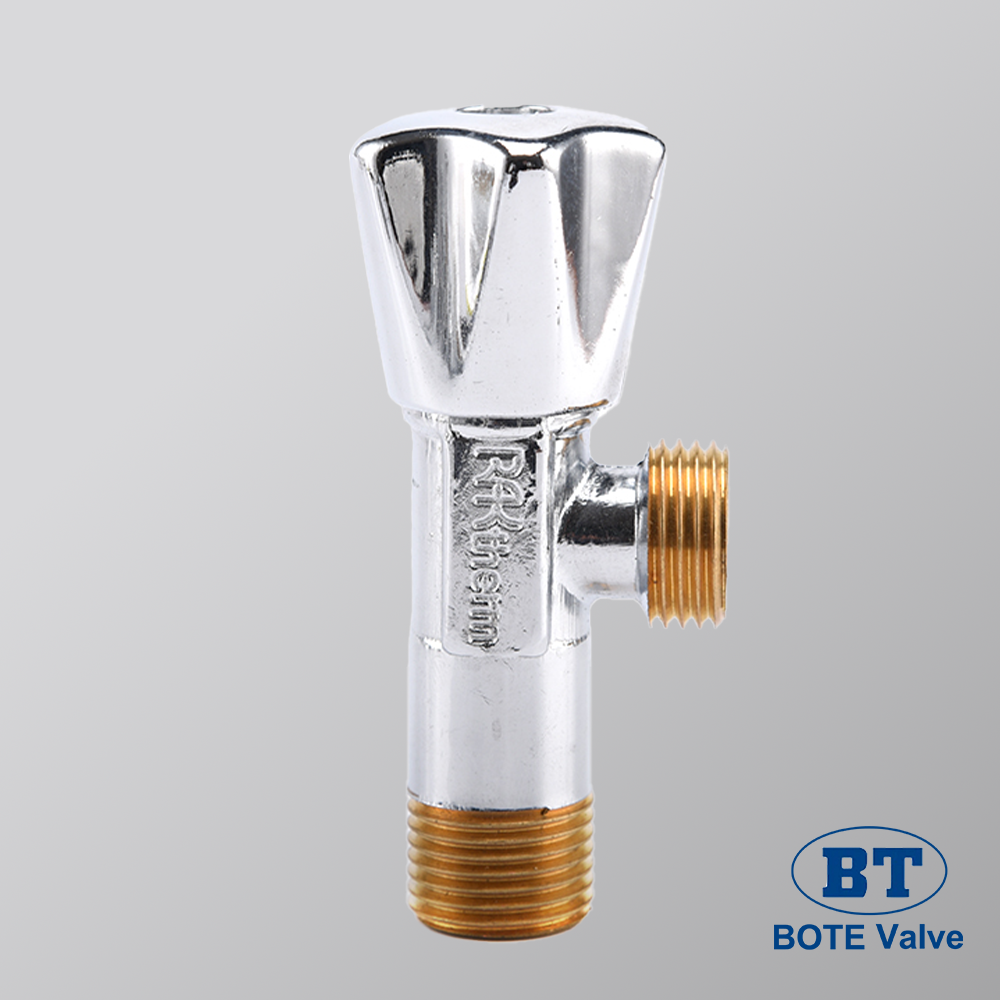
Sealing Integrity and Leak Prevention in Real-World Installations
Ceramic Discs, EPDM Seals, and Multi-Layer Gasket Systems for Long-Term Angle Valve Reliability
Good sealing systems stop leaks from happening in both home and factory pipes. When these systems fail, the damage can run into hundreds of thousands of dollars according to Ponemon's 2023 study. Ceramic discs last for over half a million cycles before showing signs of wear, making them really tough for those little valves we find around the house. When it comes to heat resistance, EPDM seals work great between minus 40 degrees Fahrenheit all the way up to 300 degrees F. That makes them perfect for things like boiler connections or solar heating setups. Factories need something even tougher though. Multi layer gaskets made with PTFE mixed in with strong rubber materials can take on harsh chemicals and sudden pressure spikes without breaking down. Getting the installation right is absolutely essential too. If bolts are tightened too loosely, about two thirds of all seal problems come from that. But tightening them too much just ruins the gasket's ability to flex properly over time.
| Sealing Component | Key Performance Attributes | Ideal Application Context |
|---|---|---|
| Ceramic Discs | Zero corrosion, low friction | High-frequency residential shutoffs |
| EPDM Seals | Ozone/UV resistance, steam compatibility | Outdoor industrial manifolds |
| Multi-Layer Gaskets | Chemical inertness, 1,000+ PSI tolerance | Chemical processing pipelines |
Precision alignment and manufacturer-specified torque prevent seal rolling or pinching—common failure points in angled installations. Advanced leak detection technologies like helium testing provide final verification for critical systems.
Table of Contents
- Core Applications of Angle Valves Across Residential and Industrial Settings
- Critical Performance Criteria: Pressure, Temperature, and Corrosion Resistance
- Material Selection and Construction Quality for Reliable Angle Valve Performance
- Sealing Integrity and Leak Prevention in Real-World Installations