 EN
EN

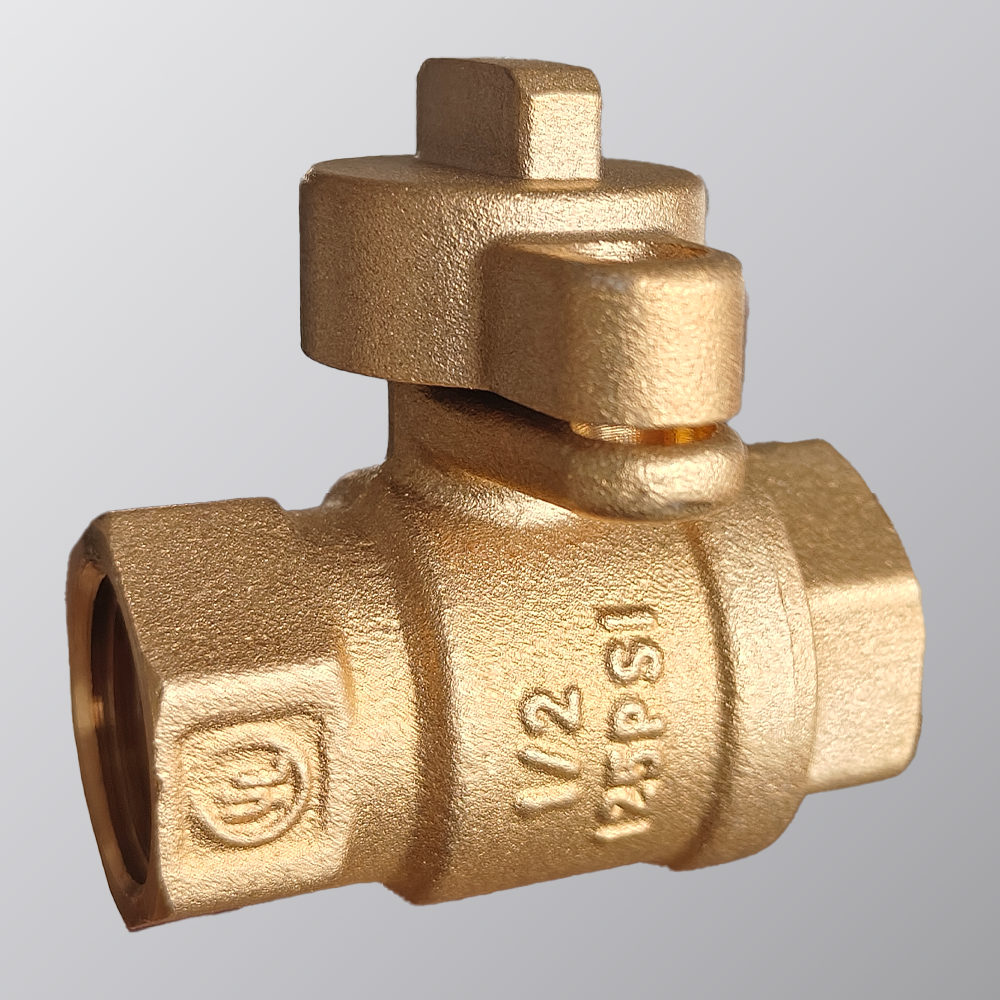
Match Brass Ball Valve Specifications to Your Plumbing Application
Flow Requirements, Media Type, and Duty Cycle Considerations
Picking out the correct brass ball valve really comes down to matching what the system needs technically. Flow requirements should be looked at first. Full port valves have that same size opening as the pipe itself, so they let stuff through without restriction (Cv rating of 14 or better). These work great when there's lots of volume moving around, think main water lines or those big fire suppression systems everyone talks about. For situations where not much flows through and a little pressure loss isn't going to matter, standard port valves do just fine. They're commonly used on bathroom fixtures or other small installations where maximum flow isn't necessary.
Next, confirm media compatibility. Brass offers excellent corrosion resistance for potable water, oils, and non-corrosive gases—but degrades rapidly in chlorinated solvents, strong acids (pH < 6.5), or ammonia. For wastewater or aggressive chemical service, alternative materials like bronze or epoxy-coated bodies are more appropriate.
The duty cycle plays a big role in how valves are designed. When valves need to handle frequent operations, say over 50 cycles per day, they need stronger stems and special seals made from materials like PTFE or EPDM that last longer under stress. For those valves that don't get used much, like isolation valves when homeowners turn off water supply lines, manufacturers can go with simpler designs that save money without sacrificing basic functionality. Industrial environments where pressures stay consistently above 150 PSI demand something different though. The standards set by ASTM B16.34 become absolutely necessary here. Following these guidelines helps maintain the valve's structural strength and keeps it from breaking down prematurely, which has been a common issue in plants that skip this requirement.
Corrosion Resistance and Material Compatibility in Potable Water vs. Industrial Systems
Brass ball valves behave quite differently depending on where they're used, which means picking the right materials matters a lot if we want them to last. When dealing with drinking water systems, the rules are pretty strict these days. We need lead-free brass that contains no more than 0.25% lead by weight and meets NSF/ANSI 61 standards to keep people safe. Beyond just safety concerns, this type of brass helps prevent something called dezincification, where zinc gets leached out over time. This problem tends to happen more often in areas with hard water or when water temperatures run higher, situations that many homes actually face regularly.
Chemical exposure is something industries need to keep their eyes on. Brass works pretty well with glycol based heat transfer fluids and hydrocarbons most of the time, but throw it into saltwater or environments loaded with ammonia and things start going wrong fast. Bronze actually holds up about 30 percent better against corrosion in these situations. Wastewater treatment facilities dealing with effluents across pH levels from 2 to 12 would be wise to look at brass valves with epoxy coated bodies. The EPDM seals matter too they need to have been tested specifically for tough service conditions. Anyone looking at materials compatibility for harsh chemicals shouldn't just take what manufacturers say at face value. Real world performance matters more than marketing speak. Check out actual ASTM G48 crevice corrosion test results instead of relying solely on general claims made by suppliers.
Size Your Brass Ball Valve Accurately for Optimal Flow and Pressure Control
Understanding Bore Size, Nominal Pipe Diameter, and Cv Values
Getting the right size for these components depends heavily on three main factors working together: the bore size, the nominal pipe diameter (or NPD for short), and what's called the flow coefficient (Cv). The bore size basically refers to how big the inside opening of the valve is, and this has a direct impact on how much flow can pass through. Cut down the bore diameter by about 25% and pressure losses jump around 60%, according to basic fluid dynamics rules. When it comes to NPD, matching this with existing piping is absolutely critical. If there's any mismatch between them, problems start showing up fast. Turbulence builds up, energy gets wasted, and flow control becomes unreliable. Take the common mistake of putting a 1 inch valve onto a 1.5 inch pipe system. That creates all sorts of issues with restricted flow and extra head loss that nobody wants to deal with in real world applications.
Cv values measure how well valves handle water flow. Specifically, they show how many gallons per minute (GPM) will pass through a valve when water is at 60 degrees Fahrenheit and there's a 1 psi drop across the valve. For instance, if a valve has a Cv rating of 10, it should let around 10 GPM flow through under normal conditions. Industrial systems that need higher flow rates often look for valves with Cv ratings above 50. When selecting valves, don't just focus on pipe size. Instead, compare the required Cv number to what the system can actually handle in terms of both flow capacity and acceptable pressure loss. This careful matching helps avoid problems down the road with inadequate flow or excessive pressure drops.
Sizing Guidelines for Residential, Commercial, and High-Flow Plumbing Installations
- Residential systems (≤1" NPD): Standard-port, 1/4-turn brass ball valves are typically sufficient. With typical household flows capped at 5–7 GPM, Cv ratings of 5–15 meet most needs. Pressure ratings should exceed municipal supply by at least 25%—e.g., 200 PSI-rated valves for 150 PSI service lines.
- Commercial applications (1"–2" NPD): Prioritize full-port valves to preserve flow velocity and minimize pressure loss. Use the sizing formula Cv Required = Flow Rate (GPM) / √Pressure Drop: for a 20 GPM chilled water loop with a 5 psi allowable drop, select a valve with Cv ≥ 9.
- Industrial/high-flow systems (≥3" NPD): Specify full-port, flanged brass valves with reinforced seats and ASTM B16.34 compliance. Systems moving 50+ GPM require Cv > 30. In steam service exceeding 250°F, oversize by 15% to accommodate thermal expansion and prevent seat extrusion.
Verify Pressure, Temperature, and Connection Compatibility for System Safety
Interpreting PN/Class Ratings, ASTM B16.34 Compliance, and Thermal Expansion Limits
When choosing valves for safety critical applications, engineers need to check pressure specs, temperature limits, and how the valve connects mechanically. PN ratings tell us what pressure a valve can handle at room temperature (around 20 degrees Celsius). The Class system works differently by showing how pressure changes with temperature, which is really important since brass gets weaker when heated past about 150 degrees Celsius, losing roughly 15 to 20 percent of its strength. Valves that meet ASTM B16.34 standards have been properly designed, tested, and labeled to survive sudden pressure spikes as high as 1.5 times their normal operating pressure. This extra buffer zone makes all the difference in preventing failures during unexpected system stress.
Brass expands quite a bit when heated up, around 19 micrometers per meter per degree Celsius, so this needs to be considered in applications where temperatures cycle regularly. If we don't take care of this expansion issue, it can warp seating surfaces, break seals, and ultimately lead to leaks down the line. When working with threaded connections, following industry standards is absolutely critical. The mismatch problem between NPT and BSPP threads causes roughly a quarter of all installation issues seen on factory floors these days. Before putting anything together, check what kind of threads are involved, whether to use thread tape or some sort of anaerobic sealant, and make sure torque specs match requirements exactly. Going beyond manufacturer ratings becomes dangerous territory, particularly in steam systems where temperature fluctuations exceed 80 degrees Celsius. This kind of stress puts joints at serious risk for developing cracks over time and eventually failing completely.
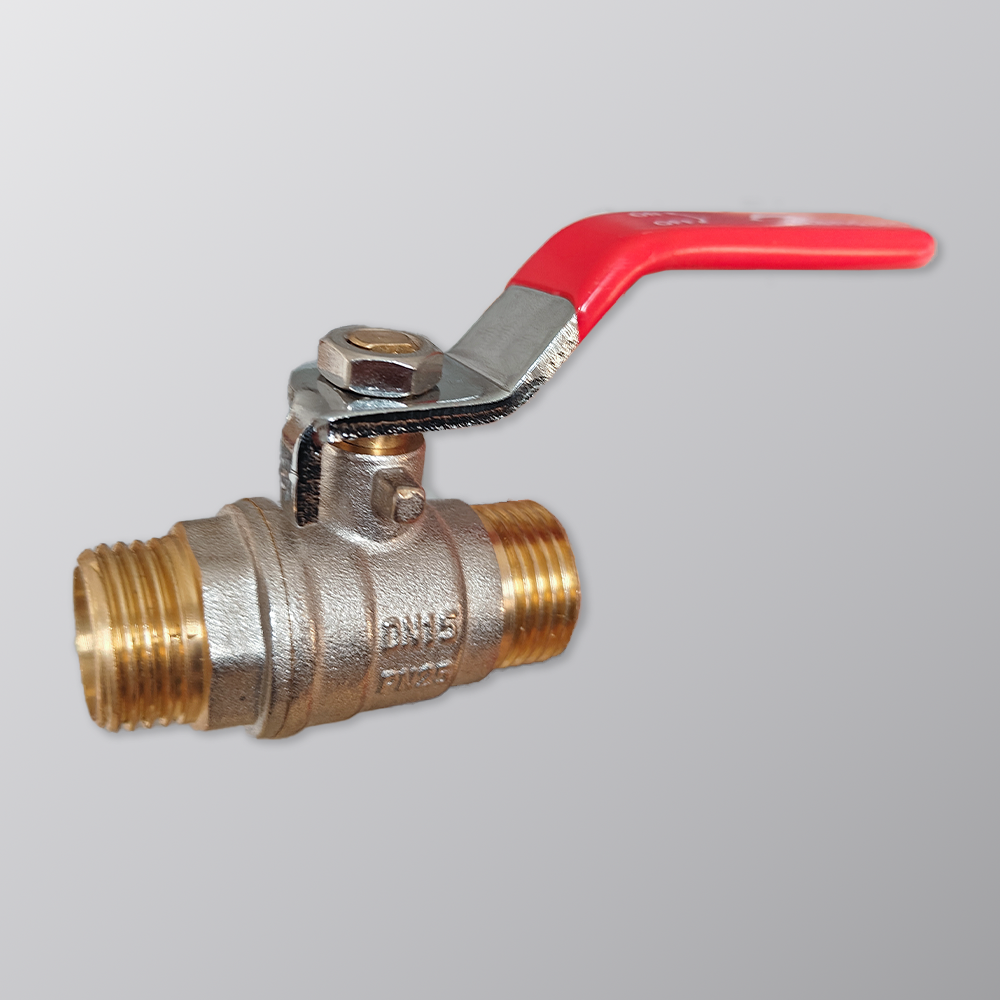
Select the Right Sealing Technology and Port Configuration for Long-Term Reliability
PTFE vs. EPDM Seats: Leak Prevention, Temperature Range, and Chemical Resistance
The type of seat material selected makes all the difference when it comes to preventing leaks, extending equipment lifespan, and ensuring proper chemical resistance. PTFE, or Polytetrafluoroethylene as it's formally known, stands out for its remarkable resistance to chemicals and can handle temperatures right up to around 260 degrees Celsius. That makes this material particularly suitable for applications involving hydrocarbons, various solvents, and both acidic and alkaline processes. Another plus is how smoothly PTFE operates in automated systems thanks to its naturally low friction properties. On the downside though, PTFE gets pretty stiff when temperatures drop below minus 20 degrees Celsius. It also tends to deform slowly over time when subjected to constant pressure, which is why engineers often avoid using it in extremely cold conditions or situations where there are frequent temperature changes.
EPDM, short for Ethylene Propylene Diene Monomer, stands out when it comes to handling extreme temperatures ranging from -40°C all the way up to 150°C. It really shines in situations where there are frequent temperature changes, such as in household plumbing systems dealing with both hot and cold water, or in drinking water systems treated with chlorine. What makes EPDM special is how well it resists oxidation, which means it doesn't break down quickly under these conditions. When working with chlorine dosing equipment or managing water distribution in cities, many professionals turn to EPDM because of its reliability. Before making any decisions though, it's important to check those chemical compatibility charts specific to whatever fluid will be passing through the system. Look at factors like pH levels, concentrations, and actual operating temperatures instead of relying on generic recommendations. This careful approach helps prevent issues like early seat failures down the road.
Full-Port vs. Reduced-Port Brass Ball Valves — When Each Is Ideal for Plumbing Use
Port configuration determines flow efficiency, pressure loss, and installation flexibility. Full-port valves feature a bore equal to the pipe’s internal diameter, eliminating flow restriction and minimizing pressure drop—making them essential for main supply lines, pump discharge, fire protection, and any application requiring pigging or slurry transport.
Reduced-port valves maintain a bore sized at 70–80% of the pipe diameter. They introduce moderate pressure loss but offer compact dimensions and lower cost—ideal for branch circuits, HVAC zoning, and space-constrained retrofits where flow reduction is acceptable.
| Configuration | Bore Diameter | Pressure Drop | Ideal Use Case |
|---|---|---|---|
| Full-Port | Equal to pipe | Minimal | Main supply lines, high-flow systems, fire suppression, pigging |
| Reduced-Port | 70–80% of pipe | Moderate | Branch lines, balancing circuits, space-limited installations |
Table of Contents
- Match Brass Ball Valve Specifications to Your Plumbing Application
- Size Your Brass Ball Valve Accurately for Optimal Flow and Pressure Control
- Verify Pressure, Temperature, and Connection Compatibility for System Safety
- Select the Right Sealing Technology and Port Configuration for Long-Term Reliability