 EN
EN

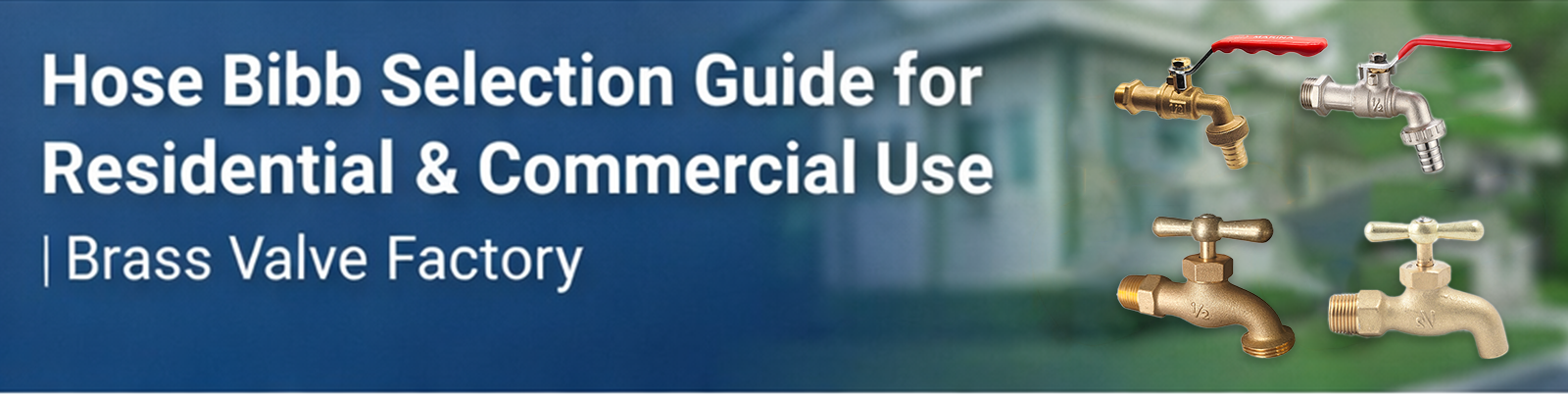
Core Hose Bibb Types and Their Functional Applications
Understanding different hose bibb configurations prevents costly failures by matching hardware to environmental demands.
Frost-Free vs. Standard Hose Bibbs: Freeze Protection Mechanics and Installation Implications
Frost free hose bibs work differently because they move the actual valve inside where it's warm, connected to the outdoor spout through a long metal stem. When someone turns off the water, any leftover liquid drains back inside instead of sitting there waiting to freeze and crack everything apart in cold weather. Regular garden hoses are another story altogether though. Their valves sit right on the outside wall so when temperatures drop below about minus seven degrees Celsius, all those parts just sit there getting colder and colder until something breaks. Putting these frost free ones in place isn't exactly rocket science but needs some attention to detail. The whole unit has to angle inward somewhere between twelve to eighteen inches for proper drainage. Standard models don't need this kind of sloping but homeowners still have to remember to shut things down every winter season, closing interior valves and making sure all lines are empty. For folks living in areas that experience thirty or more freeze thaw cycles each year, switching to frost free options cuts down on fixing expenses by roughly two thirds compared to regular brass fittings.
Smart, Pressure-Regulating, and Anti-Siphon Hose Bibbs: Solving Flow Control and Code Compliance Challenges
Modern hose bibbs integrate specialized technologies to address critical performance and regulatory needs:
- Pressure-regulating valves maintain consistent output between 40–80 PSI, preventing hose ruptures and valve fatigue during municipal pressure spikes
- Anti-siphon devices automatically create air gaps when flow stops, blocking backflow contamination in compliance with ASSE 1051 and ASSE 1019 standards
- Smart sensors detect abnormal flow patterns—such as sustained flow exceeding 2 GPM for over four hours—and trigger real-time leak alerts to prevent structural water damage
Commercial applications benefit most from multi-function models, which resolve 92% of code violations related to cross-connection control while optimizing irrigation efficiency through automated pressure management.
Climate-Driven Hose Bibb Selection: From Frost Depth to Pressure Stability
Freezing Climates: Frost-Free Hose Bibb Requirements, ASSE 1019 Certification, and Minimum Installation Depth
When temperatures drop below freezing, frost-free hose bibbs aren't just nice to have—they're absolutely necessary for proper plumbing function. These special valves work by moving the mechanism past where frost usually forms underground and placing it inside heated areas instead. This design stops ice from building up in parts that would otherwise get damaged. Models certified under ASSE 1019 go through rigorous testing against freezing conditions before hitting store shelves. According to recent research from the Plumbing Standards Institute in 2024, these certified units cut down on winter plumbing problems by almost four out of five cases. How deep to install depends on where someone lives. Up north, plumbers generally recommend extending the stem between 12 and 18 inches below ground level to beat local frost penetration. Regular brass hose bibs don't offer this kind of protection though. Water gets trapped in their open valve bodies, turns to ice when cold comes, expands, and eventually cracks everything apart—sometimes causing major leaks right when nobody wants them most.
High- or Low-Pressure Environments: When Standard Brass Hose Bibbs Underperform and Regulating Models Are Essential
Regular brass hose bibs tend to fail when dealing with water pressure that goes above 80 pounds per square inch or falls under 40 psi. When pressure gets too high, it wears down the seals and stems faster, which means leaks become a bigger problem over time. On the flip side, if pressure drops too low, basic tasks like cleaning, watering plants, and running equipment all suffer. That's where pressure regulating hose bibbs come in handy. These special valves keep the output steady around 50 to 60 psi, which works best for most applications and makes them last longer. Many cities now require these regulated models in areas where pressure fluctuates a lot. According to research published in the Water Infrastructure Journal back in 2023, these regulators cut down pipe stress by about 62%. Commercial buildings especially benefit from this technology since they often deal with inconsistent water pressure from the main supply lines. Installing regulating bibbs removes the need for extra pressure tanks while still meeting local building codes and providing dependable service year after year.
Material Selection and Code Compliance for Long-Term Hose Bibb Reliability
Brass, Stainless Steel, and Composite Hose Bibbs: Corrosion Resistance, NSF/ANSI 61 & ASTM F2852 Certification, and Lifecycle Value
Material choice critically influences durability, safety, and total cost of ownership:
- Corrosion resistance: Brass performs well in neutral water but is susceptible to dezincification in aggressive (low-pH, high-chloride) conditions. Stainless steel—particularly grades 304 and 316—offers superior resistance to chlorides and salt exposure, making it ideal for coastal or industrial settings. Composites eliminate rust but degrade under prolonged UV exposure, leading to embrittlement and microcracking.
- Certification compliance: All potable-water hose bibbs must meet NSF/ANSI 61 for health effects. Brass models also require ASTM F2852 certification, which governs material composition and lead content—ensuring compliance with federal Safe Drinking Water Act requirements.
- Lifecycle value: Brass delivers 15–20 years of service with moderate maintenance but carries higher initial cost. Stainless steel extends service life to 25+ years with minimal upkeep. Composites offer lower upfront investment but often fail within 5–8 years due to fatigue and UV degradation.
Selecting certified materials avoids premature failure and cuts lifetime ownership costs by up to 40% versus non-compliant alternatives.