 EN
EN

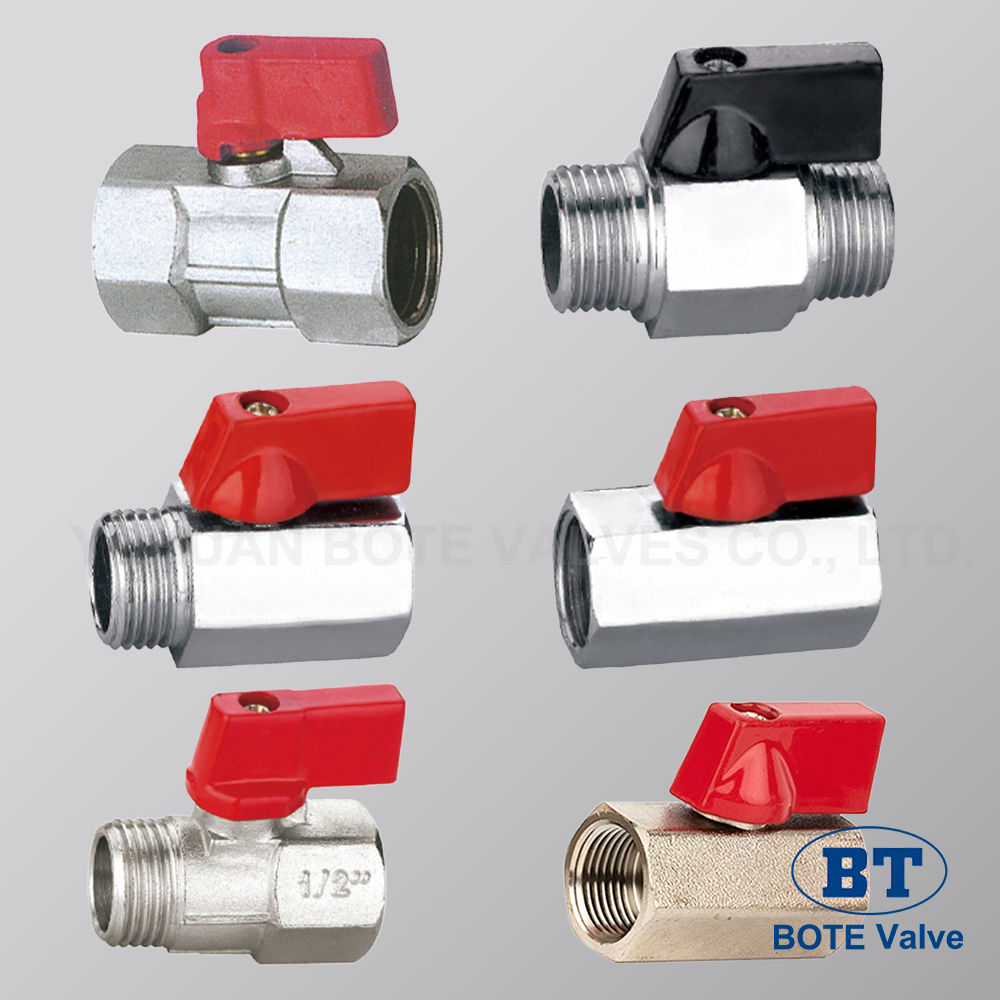
Superior Pressure Handling: How Brass Pipe Fittings Excel in High-PSI Applications
Yield Strength, Ductility, and PSI Capacity of Brass Under Sustained Hydraulic Load
Brass pipe fittings hold up well under extreme pressure conditions because they have good yield strength ranging from around 15 to 45 ksi and are quite ductile, stretching as much as 65 percent before breaking. When subjected to constant hydraulic forces above 3,000 psi, these fittings resist permanent bending or warping. They also handle small changes in pressure when there are sudden spikes, something that would cause many other materials to crack or break apart. For applications where pressure fluctuates repeatedly, brass fittings typically last through more than 10,000 complete pressure cycles without any leaks forming. This makes them far superior to many plastic alternatives and standard cast metal components when it comes to long term performance under repeated stress.
Brass vs. Stainless Steel and Copper: Real-World Pressure Performance in Cyclic Systems
When it comes to those tough environments with constant movement and pressure changes, especially in industrial hydraulic systems, brass just holds up better against pressure than both stainless steel and copper do. Copper has this problem where it gets harder over time from all that stress and eventually cracks when there are repeated pressure surges. Brass stays elastic throughout though. Stainless steel might be similar in how strong it is, but it actually passes on vibrations much easier, which wears out the pipes connected to it faster. Real world testing indicates that brass fittings last around 30% longer than stainless steel ones when operating at the same pressure levels. Part of why this happens is because brass naturally dampens vibrations, so those pressure waves don't get amplified as much during all those start and stop operations that happen so frequently in these systems.
Corrosion Resistance and Long-Term Reliability of Brass Pipe Fittings
Dezincification Resistance and Passive Film Stability in Wet, Pressurized Environments
Brass stands up pretty well against dezincification, which basically means the zinc doesn't get washed out of the metal. This happens because manufacturers carefully balance the copper and zinc content, often adding small amounts of arsenic too. When brass sits in moist environments under pressure, it develops a kind of protective coating on its surface. This coating acts like armor against things like chlorine, acids, and changes in water chemistry. What's interesting is how this protective layer holds together even when pressures go beyond 150 pounds per square inch, so the walls stay thick enough and won't burst unexpectedly. Tests following the ISO 6509:2023 standard show that special brass alloys designed to resist dezincification keep about 95% of their original strength after sitting in chlorinated water for nearly 5,000 hours straight. That makes these types of brass really dependable for things like plumbing systems or hydraulic equipment where tiny pits forming in the metal could cause big problems down the road.
15-Year Field Data: Brass Pipe Fittings in Municipal Water and Natural Gas Infrastructure
Studies on long term infrastructure confirm that brass really holds up over time. Looking at data from about 12,000 different points in municipal water systems shows something interesting: after 15 years running, the rate of failures caused by corrosion was under 0.1% each year. When we look at natural gas pipelines working between 200 to 350 PSI pressure levels, there were absolutely no leaks reported from brass fittings due to corrosion issues. Why does brass last so well? It stands up against two big problems for materials underground or in damp areas: sulfide stress cracking and what's called microbiologically influenced corrosion (MIC). The numbers tell another story too. Research into lifecycle costs reveals that brass needs replacement about 40% less frequently compared to other materials commonly used. That translates to roughly $740k saved on average for every 100,000 connections according to a study by the Ponemon Institute back in 2023. What's even better is that those threads stayed intact and seals kept holding strong throughout the entire 15 year test period without any degradation noticed.
Application-Driven Design: Compression, Flare, and Push-to-Connect Brass Pipe Fittings for High-Pressure Sealing
Mechanical Seal Integrity at 3,000+ PSI: Engineering Principles Behind Leak-Free Connections
Brass pipe fittings can handle pressures over 3,000 PSI without leaks thanks to specific mechanical sealing methods tailored for different applications. Compression fittings work by using brass ferrules that essentially cold weld against the tubing walls. Brass is naturally malleable, so these ferrules compress evenly around the tube without creating tiny cracks that could lead to failures down the road. For flare fittings, the secret lies in those precisely shaped conical surfaces where they meet. Brass has good ductility properties, which means it bends rather than breaks when torqued properly, spreading out stresses away from weak spots in the connection. Push-to-connect systems take things one step further with their two part sealing approach. First there are those rubber O-rings that stop fluids instantly, then brass collets keep holding tight even as pressure fluctuates throughout operation. Industry tests show these systems have leakage rates below 0.001% after going through 50 thousand cycles at 4,500 PSI. This speaks volumes about brass's ability to resist fatigue, making it a reliable choice for long term high pressure sealing needs across many industrial settings.
Certified Safety and Regulatory Compliance for Industrial High-Pressure Use
ASME B16.22, ASTM B62, and NSF/ANSI 61: What These Standards Confirm for Brass Pipe Fittings
Brass pipe fittings that carry certifications from ASME B16.22, ASTM B62, and NSF/ANSI 61 really stand out when it comes to safety, performance, and how well they hold up over time in important systems. The ASME B16.22 standard checks that parts are made to exact dimensions and can handle pressures as high as 3,000 PSI, so connections stay tight even when there's constant stress on them. ASTM B62 makes sure brass contains at least 85% copper, which is crucial because this helps prevent something called dezincification when pipes are constantly exposed to water. Then there's NSF/ANSI 61 certification that proves these fittings won't release harmful substances into drinking water after being tested by independent labs. All three standards work together to ensure manufacturers follow strict processes, with burst strength that's actually three times what most systems need. And best of all? No lead gets into the water supply either. For engineers working on projects ranging from oil and gas pipelines to city water systems, having this kind of documentation gives peace of mind knowing their installations will last and perform reliably year after year.
Table of Contents
- Superior Pressure Handling: How Brass Pipe Fittings Excel in High-PSI Applications
- Corrosion Resistance and Long-Term Reliability of Brass Pipe Fittings
- Application-Driven Design: Compression, Flare, and Push-to-Connect Brass Pipe Fittings for High-Pressure Sealing
- Certified Safety and Regulatory Compliance for Industrial High-Pressure Use