Ball Valve Purchase Guide: Flow Capacity and Pressure Rating
When it comes to plumbing, HVAC, industrial systems, or even small-scale applications like laboratory equipment, choosing the right ball valve is crucial for ensuring smooth operation, efficiency, and safety. Among the countless factors to consider, flow capacity and pressure rating stand out as the most critical—they directly determine whether the valve can meet the demands of your specific system without leaks, malfunctions, or premature failure. With a wide range of ball valves available on the market, from compact mini models to heavy-duty industrial ones, navigating the options can be tricky. This guide breaks down everything you need to know about flow capacity and pressure rating, along with other key considerations, to help you make an informed purchase decision that aligns with your needs.
Understand Flow Capacity: Key to System Efficiency
Flow capacity, often referred to as Cv (flow coefficient), measures how much fluid a ball valve can allow to pass through at a given pressure drop. It’s a vital metric because insufficient flow capacity can lead to reduced system efficiency, while excessive flow might cause unnecessary energy waste or pressure fluctuations. The flow capacity of a ball valve is primarily determined by its bore size and design—two factors that work hand in hand to influence fluid movement.
Bore size is one of the most straightforward determinants of flow capacity. Ball valves typically come in three bore types: full bore, standard bore, and reduced bore. Full bore valves have an internal diameter that matches the pipe size, allowing maximum fluid flow with minimal pressure loss—ideal for applications where high flow rates are essential, such as industrial fluid systems or large-scale irrigation. Standard bore valves have a slightly smaller internal diameter than the pipe, balancing flow capacity and cost-effectiveness for most residential and light commercial uses like plumbing or HVAC. Reduced bore valves have a significantly smaller internal diameter, which limits flow but is more compact and affordable, making them suitable for space-constrained applications like laboratory equipment or beverage dispensing systems.
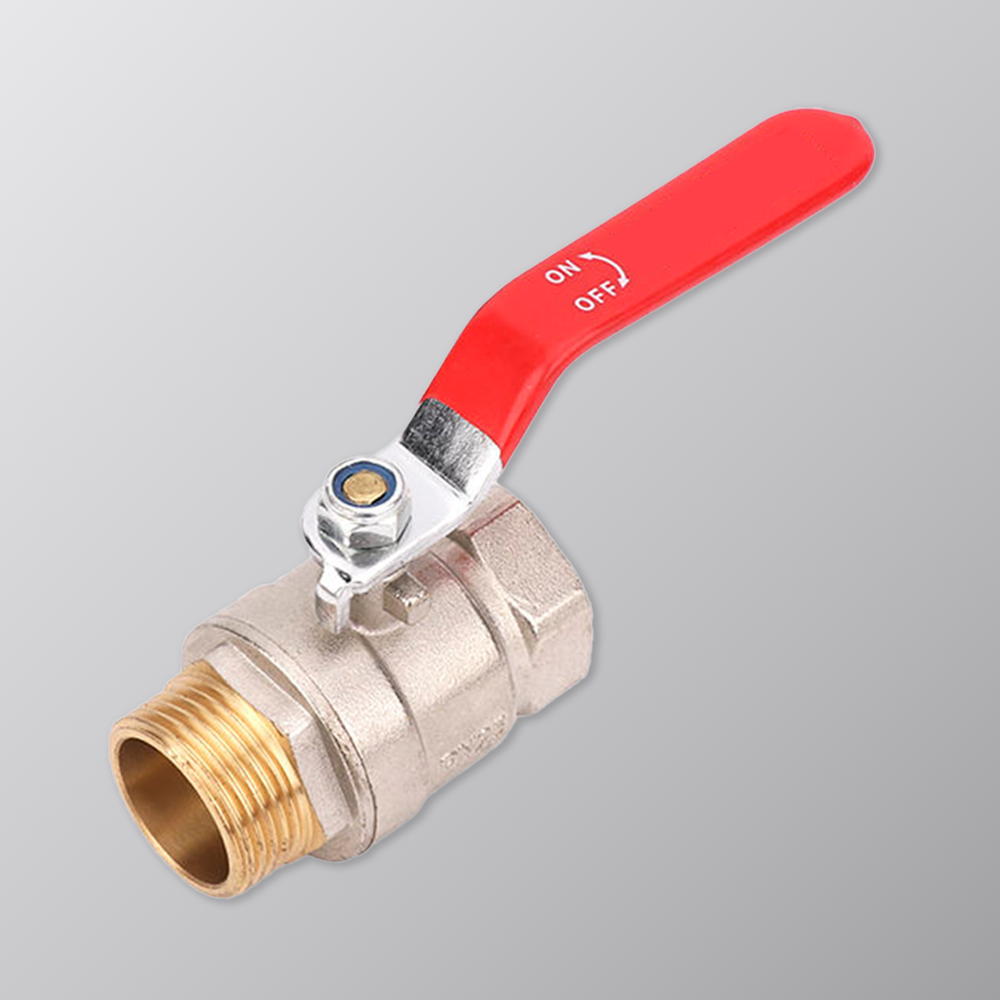
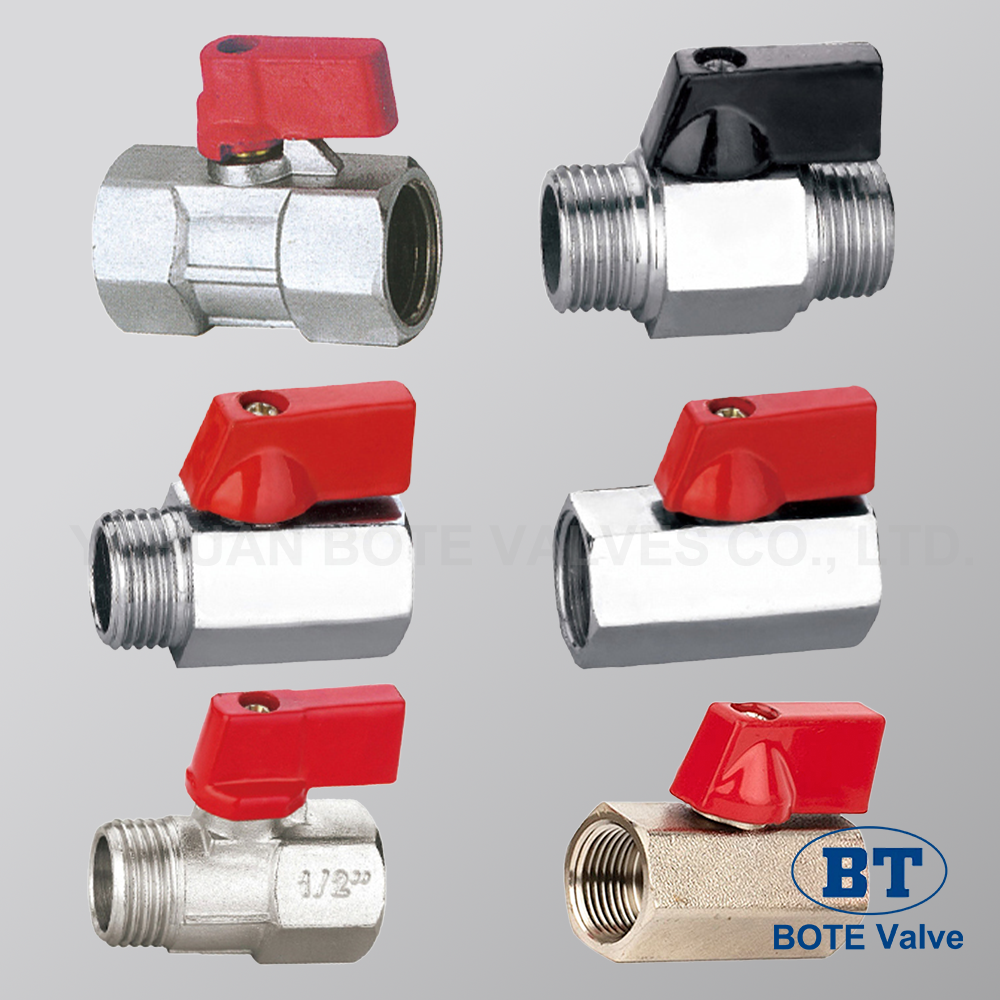
Beyond bore size, the valve’s design also impacts flow capacity. For example, brass mini ball valves with a compact structure are engineered to fit tight spaces without compromising flow—many offer precise flow control for low to medium-pressure applications. The material of the valve’s internal components, such as the ball and seat, also plays a role. A smooth, polished brass ball paired with a PTFE seat reduces friction and turbulence, allowing fluid to flow more freely compared to valves with rough or low-quality components. Additionally, 100% leakage testing during production ensures that there are no internal blockages or gaps that could hinder flow, guaranteeing consistent performance.
When calculating the required flow capacity for your system, consider the type of fluid (water, oil, compressed air, etc.), the desired flow rate, and the pressure drop acceptable for your application. For example, if you’re installing a ball valve in a compressed air system, you’ll need a model with sufficient flow capacity to maintain consistent pressure throughout the system. Consulting the manufacturer’s flow rate data—often provided in product specifications—is essential to ensure the valve can keep up with your system’s demands.
Prioritize Pressure Rating: Safety and Durability
Pressure rating is another non-negotiable factor when selecting a ball valve, as it indicates the maximum pressure the valve can safely withstand without leaking or failing. Using a valve with a pressure rating lower than your system’s operating pressure is a major safety hazard, as it can lead to valve rupture, fluid leaks, and even equipment damage. On the other hand, choosing a valve with an unnecessarily high pressure rating can be costly and inefficient, so it’s important to match the valve’s rating to your system’s specific needs.
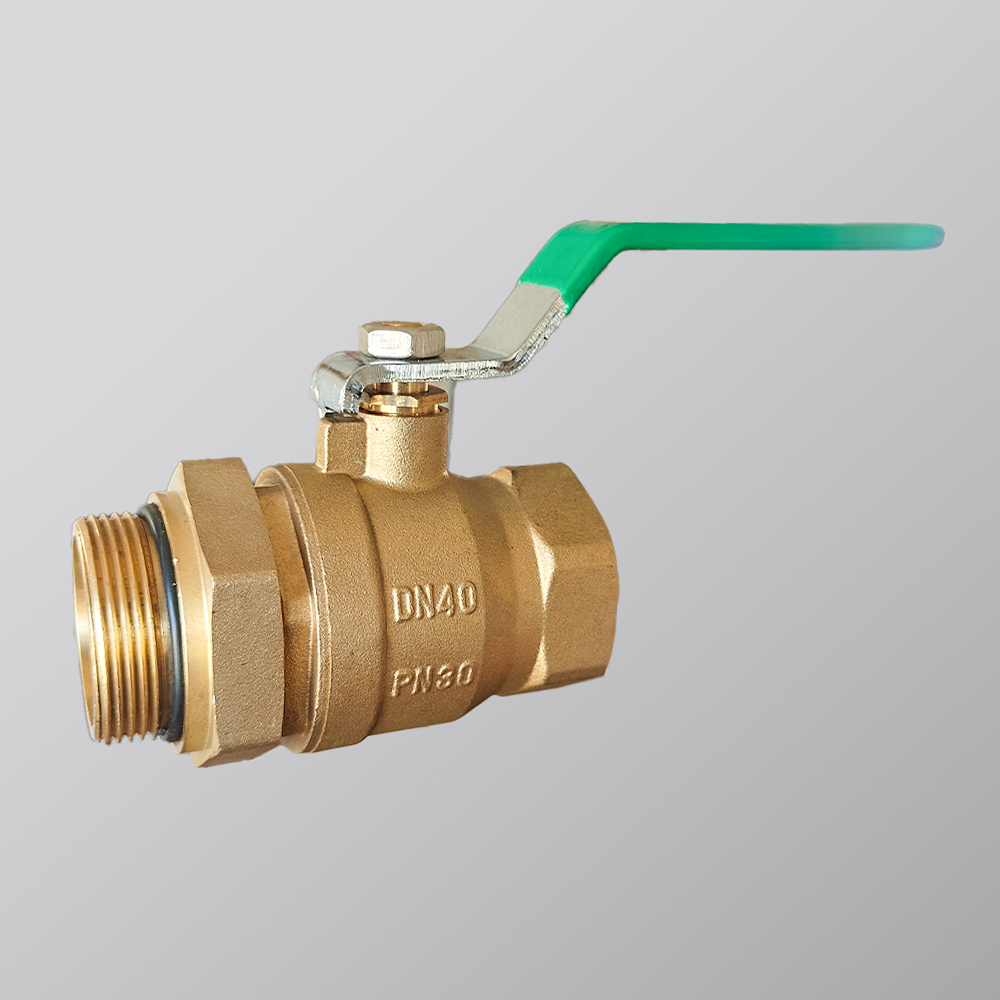
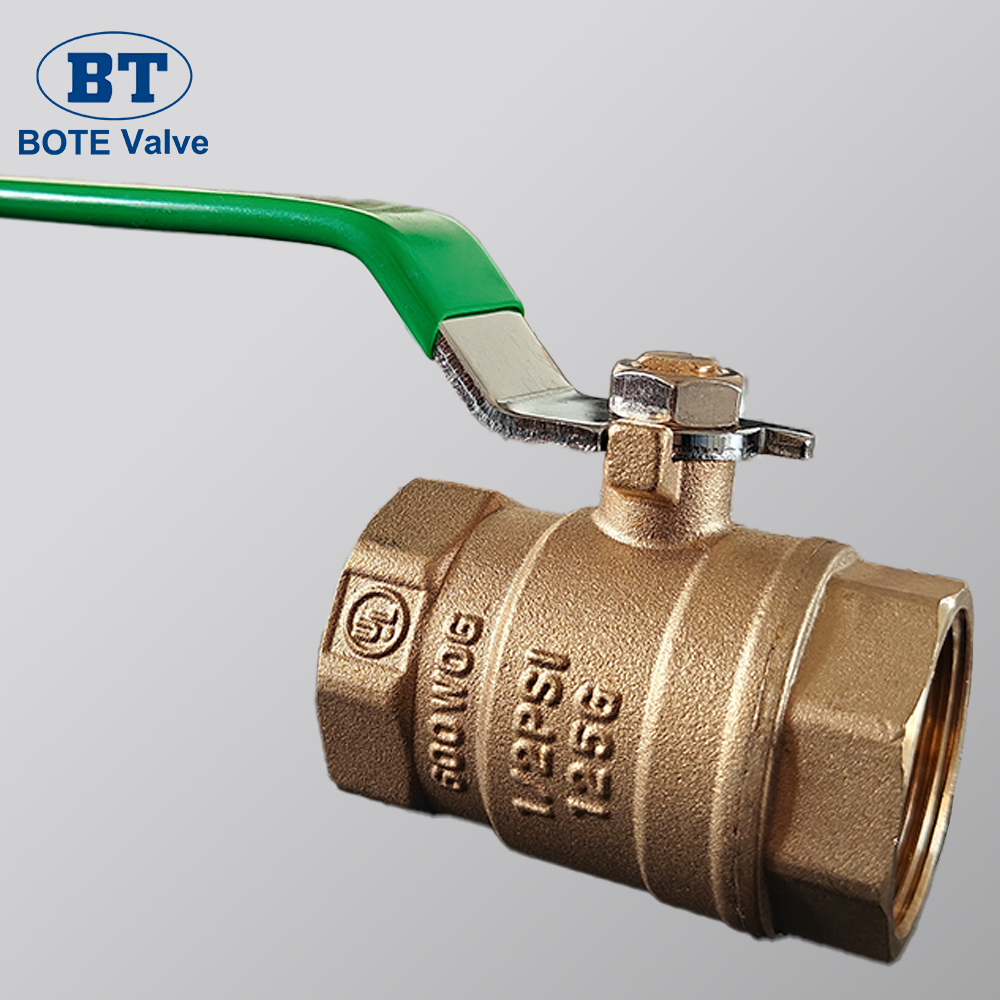
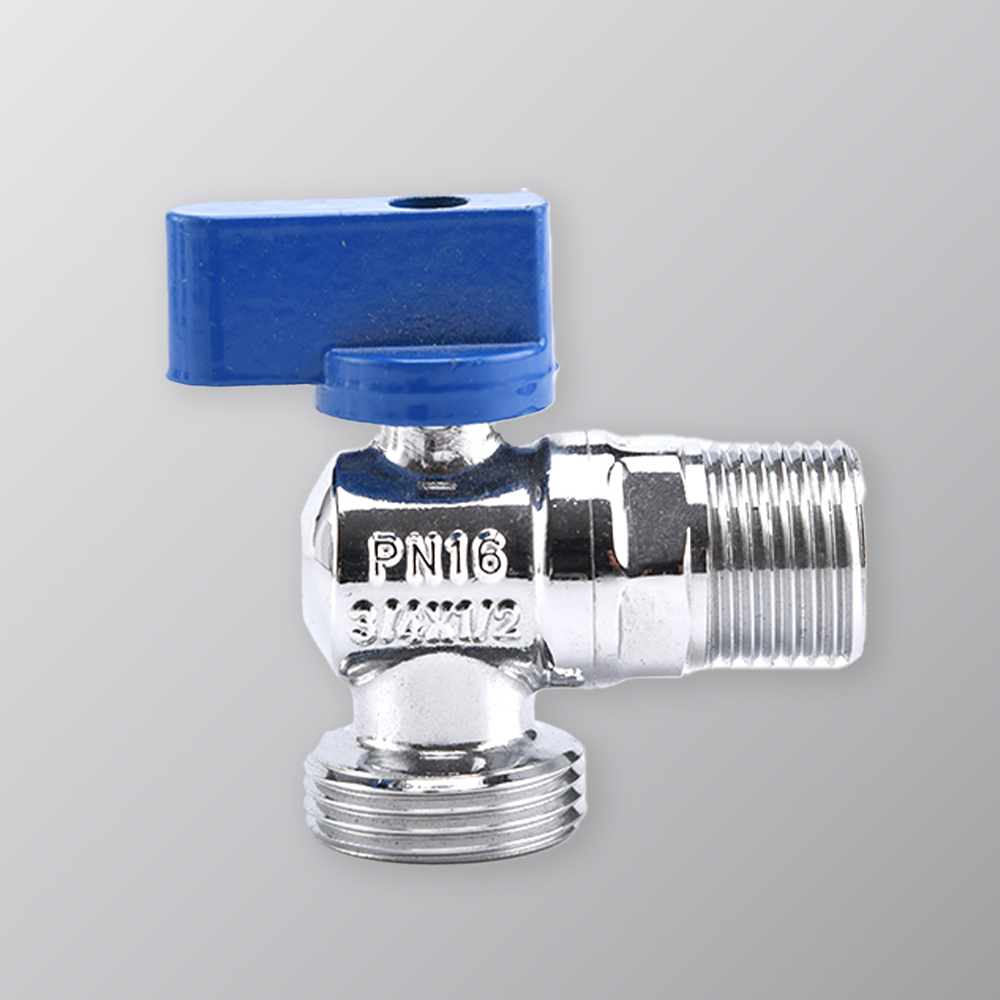
Most ball valves specify their pressure rating using two common standards: PN (Pressure Nominal) and Psi (pounds per square inch). For example, many high-quality brass ball valves have a pressure rating of PN40 or 600Psi, making them suitable for low to medium-pressure applications like plumbing, HVAC, and industrial fluid systems. It’s crucial to note that pressure rating can be affected by temperature—higher temperatures can reduce the valve’s maximum safe operating pressure. Therefore, you should also consider the operating temperature range of the valve, which for brass models often spans from -20°C to 120°C, covering most common applications.
The material and construction of the ball valve directly influence its pressure-bearing capacity. Forged brass is the preferred material for high-pressure applications because the forging process compacts the metal, creating a denser, stronger structure that can withstand greater pressure than cast brass or other materials like plastic or zinc. The valve’s stem design also plays a role—an anti-blow-out stem prevents the stem from being forced out under high pressure, enhancing safety and preventing leaks. Additionally, double-layer O-rings and tight sealing mechanisms ensure that the valve remains leak-proof even at maximum pressure, providing peace of mind.
When assessing pressure rating, always refer to the manufacturer’s specifications and ensure the valve complies with industry standards such as EN13828 and EN228-1. These standards set strict criteria for pressure resistance, ensuring the valve meets rigorous safety and performance requirements. Avoid cutting corners with low-quality valves that have uncertified pressure ratings—investing in a valve that can safely handle your system’s pressure will save you from costly repairs and potential safety risks down the line.
Choose the Right Material and Craftsmanship
The material and craftsmanship of a ball valve are closely linked to its flow capacity and pressure rating, as well as its overall durability and reliability. Brass is widely regarded as the gold standard for ball valves, especially for applications requiring strength, corrosion resistance, and consistent performance. High-quality brass ball valves are crafted from premium alloys, such as CuZn39Pb3 (CW614N) or lead-free options like C46500, which are tailored to meet regional standards for different markets (European, USA, and Chinese national standards). These alloys offer excellent corrosion resistance, ensuring the valve remains in good condition even when exposed to water, oil, or other non-corrosive liquids.
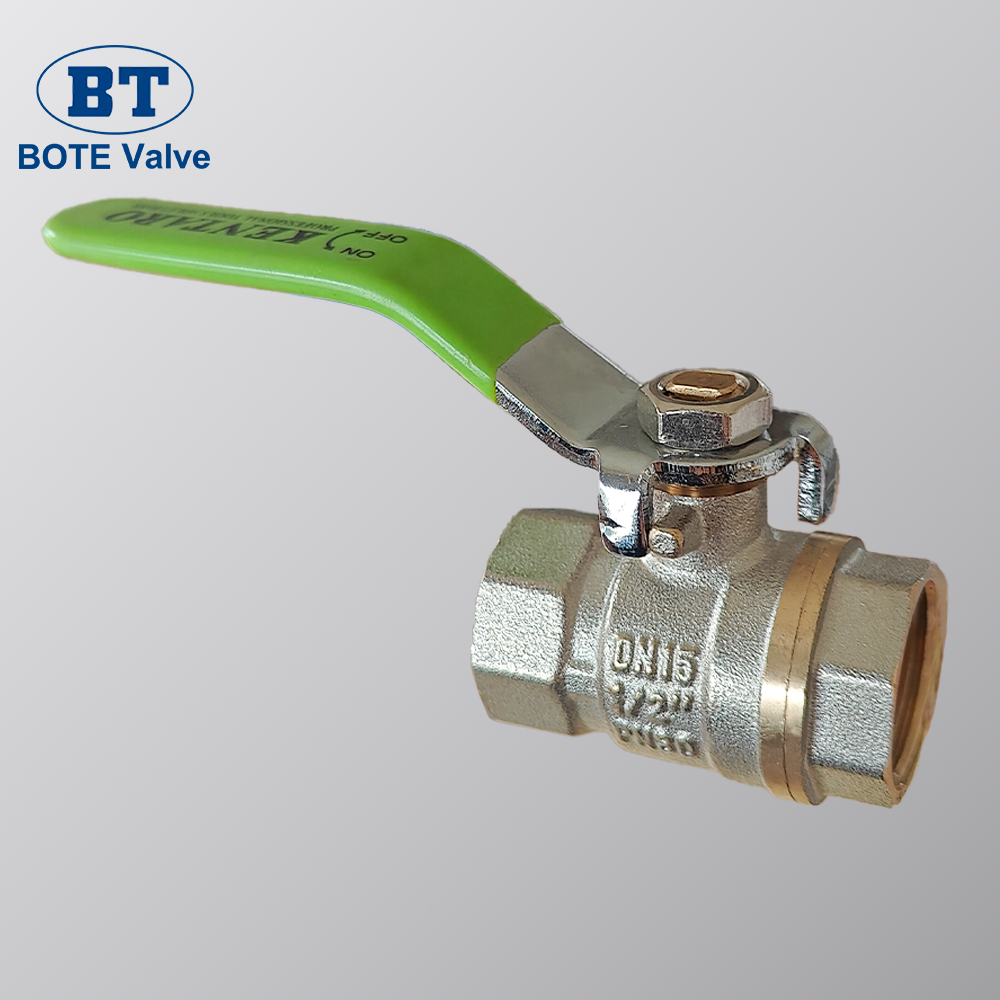
Surface treatment is another important aspect of material quality. Nickel-plated or chrome-plated brass ball valves not only have a sleek, professional appearance but also offer an extra layer of protection against corrosion, scratches, and wear. This is particularly beneficial for valves installed in harsh environments or visible locations, such as commercial kitchens or outdoor plumbing systems. The internal components, such as the brass stem and PTFE ball seat, are also critical—PTFE is known for its heat resistance, low friction, and excellent sealing properties, ensuring smooth operation and long-lasting performance.
Craftsmanship is equally important. A well-manufactured ball valve undergoes a rigorous production process, including raw material inspection, forging, machining, sandblasting, assembly, and quality testing. Each step is designed to ensure precision and consistency—for example, CNC machining creates smooth, burr-free internal channels that promote optimal flow and reduce pressure drop. 100% leakage testing is a must, as it guarantees that every valve is free from defects before leaving the factory. Additionally, advanced testing equipment like material spectrometers, flow rate testers, and pressure testers are used to verify the valve’s performance against industry standards.
When evaluating craftsmanship, look for certifications such as ISO9001 and CE. These certifications indicate that the manufacturer follows strict quality management systems and that the valve meets international safety and performance requirements. A manufacturer with over 18 years of industry experience is also a reliable choice, as they have the expertise and resources to produce high-quality valves that consistently meet customer needs.
Consider Customization and Practical Application
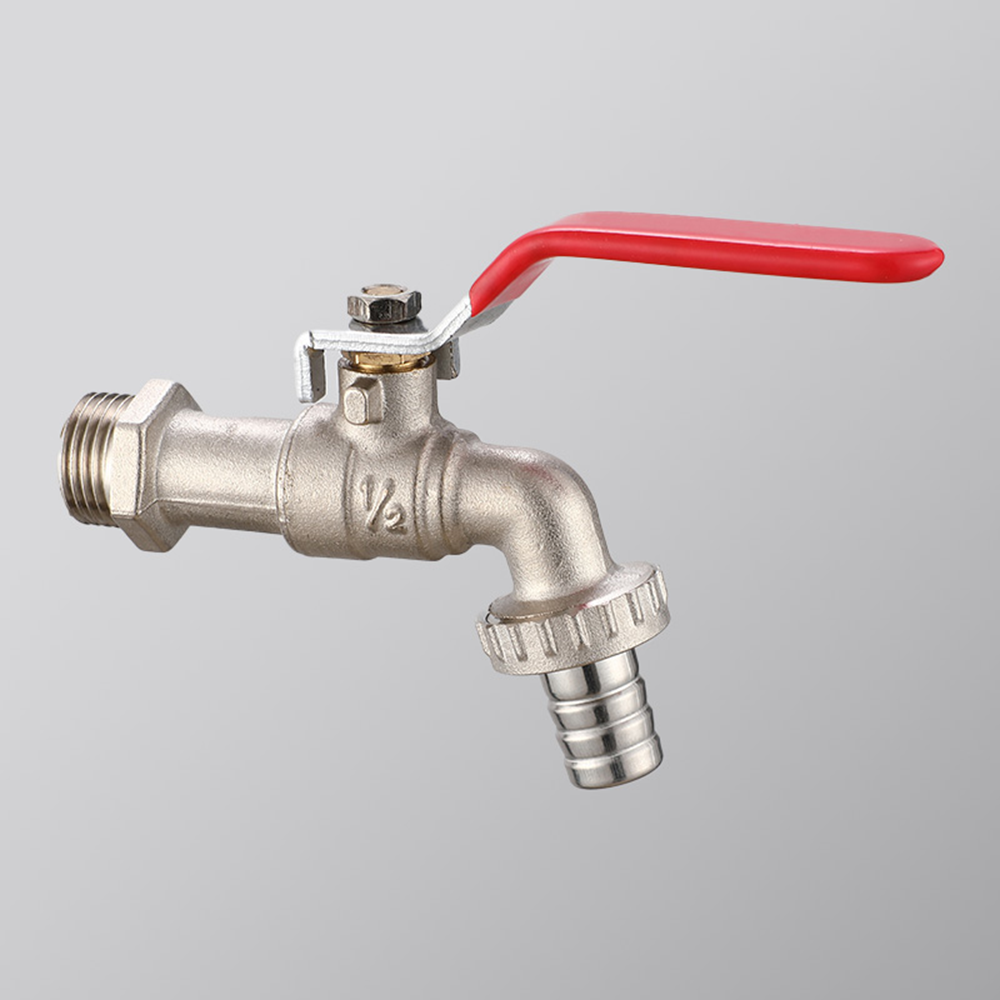
Every system has unique requirements, so a one-size-fits-all ball valve may not always be the best option. Many reputable manufacturers offer customization services that allow you to tailor the valve to your specific application, ensuring optimal flow capacity and pressure rating. Customization options include size (ranging from 1/8” to 4”), bore type (full, standard, reduced), end connections (BSP, NPT, or hose barbs), surface finishes (natural brass, nickel-plated, chrome-plated), and handle styles (steel chromed with plastic cover or ergonomic designs). These options let you select a valve that fits seamlessly into your existing system, avoiding the need for adapters or modifications that can hinder flow or compromise pressure resistance.
Practical application is another key consideration. For example, if you’re installing a ball valve in a tight space like a laboratory or under-sink plumbing, a compact brass mini ball valve is the perfect choice—it offers the same reliability and performance as full-size valves but with a smaller footprint. For industrial applications that require high flow rates and pressure resistance, a full bore brass ball valve with a PN40/600Psi rating is ideal. It’s also important to consider the fluid type—while most brass ball valves are suitable for water, oil, and non-corrosive liquids, harsh or concentrated chemicals may require specialized materials or coatings, so consulting the manufacturer’s technical team is advisable.
Installation and maintenance should also be taken into account. A well-designed ball valve is easy to install with basic tools, and detailed installation instructions are usually included. Some manufacturers also offer online videos or technical support to guide you through the process. Maintenance is relatively simple—regularly checking for leaks, cleaning the exterior with mild detergent, and lubricating the stem if it becomes stiff will keep the valve in top condition. Avoid using abrasive cleaners or harsh chemicals, as these can damage the surface finish or internal seals.
Finally, after-sales support is an important practical consideration. A reliable manufacturer will offer a warranty for manufacturing defects, providing replacement parts, full replacements, or refunds if the valve fails prematurely. Prompt and responsive customer service is also crucial—if you have questions about customization, installation, or performance, you should be able to reach a knowledgeable representative quickly. This level of support ensures that you get the most out of your ball valve and can address any issues that arise efficiently.
 Hot News
 EN
EN