 EN
EN

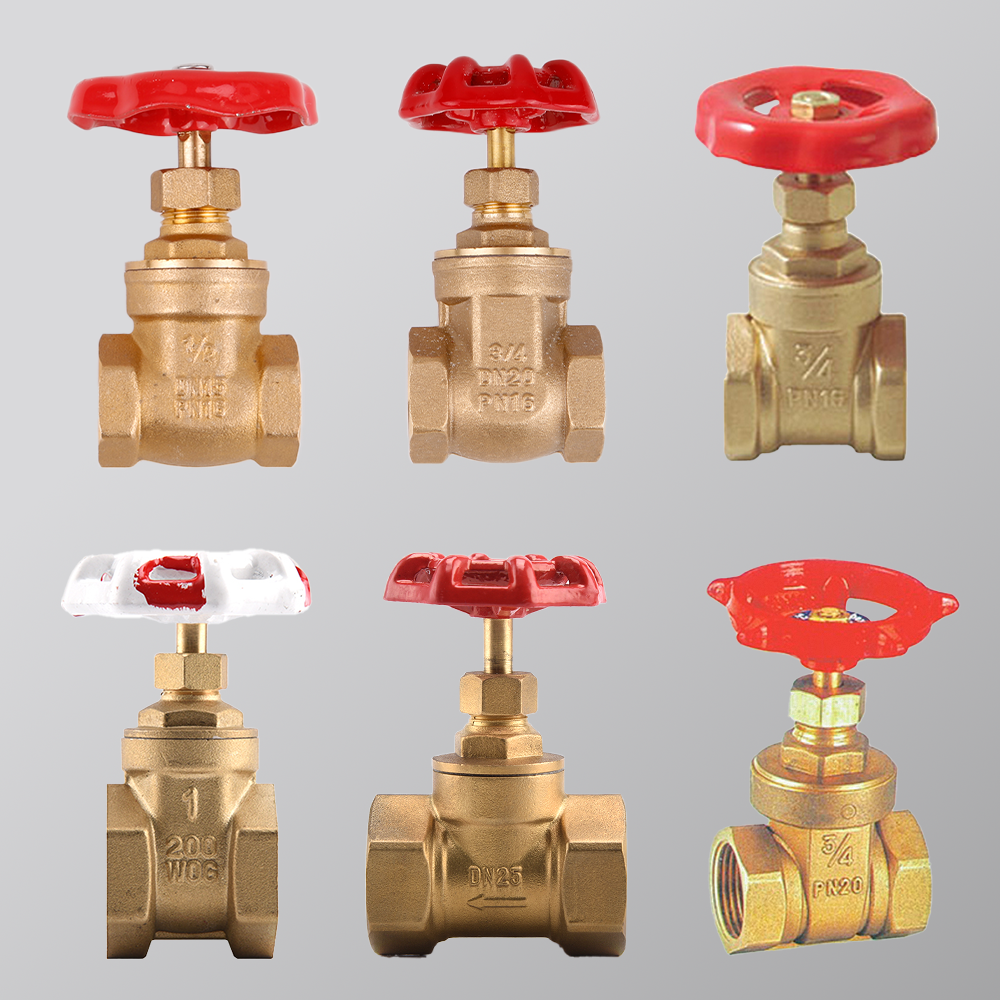
ለምን ነው 100% ግፊት ፈተና ለተረጋጋ የቦል ቫልቭ አፈፃፀም አስፈላጊ?
የእያንዳንዱ ቢላ ቫልቭ በተጫነበት በፊት አጠናቀቅ ማድረግ የሚያስችለው የደህንነቱን እና የሥራ ፍሰትን በከፍተኛ መልኩ የሚጎዳውን የተደበቀ ችግሮችን ለመገኘት ነው። እያንዳንዱ ክፍል በሙሉ በተለየ ሁኔታ ተፈትሸዋል እና በቀጥታ አይታሰቡም፣ በዚህ ሁኔታ በተለየ መልኩ የሚሰጡ ግፊቶችን ሊያስተዳድሩ ይችላሉ ወይስ አይችሉም በትክክል ማወቅ እንችላለን። ይህ ሂደት ትንሽ ትስስር፣ በሴሎች ውስጥ ያሉ የተበላሹ ክፍሎች ወይም የተለየ የማይገባ የחומרים ጥራት የሚያሳይ ነው፤ እነዚህ ነገሮች በአጠቃላይ በየቅልጠት የሚደረገው የማይታወቅ ፍተሻ በቀላሉ ይተካሉ። በብዙ ተቋማት የሃይድሮስታቲክ ፈተሻ በቫልቭ የሚያስተዳድር የሚገባውን ግፊት ከ1.5 እስከ በላይ ይደረጋል፣ ይህም በሰውነቱ ውስጥ ያሉ የስርዓተ ውስጣዊ ችግሮችን ያሳያል። በተጨማሪም የስዴት ፈተሻ ይደረጋል እና ቫልቭ በተለየ ሁኔታ በተለየ የሥራ ሁኔታ ላይ በተመሳሳይ ሁኔታ የሚያስተዳድር እንደሆነ ይፈተሻል። ቁጥሮች ደግሞ አይሰራም፤ የኢንዱስትሪ ሪፖርቶች በተለየ ሁኔታ የሚከሰቱ የተዘረጋ አቋማጮች በቫልቭ የተከሰቱ የግፊት ፈተሻዎች ከ40% በላይ ናቸው። በኬሚካል ተቋማት ወይም በኤነርጂ የማሰራያ ሥርዓቶች ውስጥ የግፊት ፈተሻ በትክክል አልተደረገም ብለው ልብ ይበሉ፤ ይህ በከፍተኛ መልኩ የሚከሰቱ ግዳቶች፣ የአካባቢ ጉዳት እና በፓኖሜን የተደረገው የስራ አመታዊ ጥናት በላስት የሚገኝ የሰባት መቶ አርባ ሺህ ዶላር በሰዓት የሚሆነውን ክፍያ ሊያስከትል ይችላል። የስታንዳርድ ድርጅቶች የግፊት ማቆያ ሂደት በፈተሻ ውስጥ ቢያንስ ሁለት ደቂቃ ማቆያ ይ Rich ይደረጋል እና የአለም አቀፍ ገንዘብ የሚያስፈልጋቸውን የስራ መስፈርት ለማሟላት እና በመስኮት ላይ በመጀመሪያ ዘመን የሚከሰቱ ችግሮችን ለመከላከል ይጠይቃሉ። ይህ ተጨማሪ ጥረት የሚያስከትለው የተለየ ቢላ ቫልቭ ወደ በከፍተኛ ግፊት የሚሰራ ስርዓት ውስጥ የደህንነት አስፈላጊ ክፍል ይሆናል።
የቦል ቫልቮች ዋና ግፊት ፈተና ደረጃዎች: API 598፣ ISO 5208፣ እና ASME B16.34
እያንዳንዱ የተለየ ደረጃ በባል ቫልቮች ላይ የፈተና የስፋት የተቀመጠው ክልል፣ የተቀበለው የማረጋገጫ መርሆድ እና የፈተና ድግግሞሽ እንደሚገለጽ ነው
የAPI 598 መደበኛ ደንብ እያንዳንዱ በላቭ ቫልቭ ሙሉ ግፊት ፈተና ማድረግ አለበት በማስተላለፍ በፊት። ይህ የሃይድሮስታቲክ ሽልማት ፈተና በተሰጠው ግፊት 1.5 እጥፍ ማካፈልን እና በሴት ላይ የሚከሰቱ ግሽታዎችን ማረጋገጥን ያካትታል። ምን ያህል ግሽታ ተፈቀድለው እንደሆነ የሚባል ነገር በጣም ዘዴ የተለየ ነው። የሶፍት ሴት ያላቸው ቫልቭ በፈተና ላይ ምንም ቡብሌስ ማሳየት የለባቸውም፣ በመقابلም የሜታል ሴት ያላቸው ቫልቭ በአንድ ደቂቃ ውስጥ ከ100 ድራፕስ በላይ ግሽታ ማድረግ ይፈቀዳል። ISO 5208 የተለያዩ የግሽታ ደረጃ የተለየ የA እስከ D ድረስ የአራት ደረጃ የግሽታ የመደበኛ ስርዓት ያከልታል። በጣም አስፈላጊ መተግበሪያዎች የሚያስፈልጉ ሁኔታዎች የ"ክላስ A" የግሽታ ደረጃ ነው፣ ይህም ምንም ዓይነት ግሽታ የለበትም ማለት ነው። ከዚህ በተጨማሪ ASME B16.34 የግፊት የሚያካትቱ ክፍሎችን ለመንደፍ በተለይ የተዘጋጅቷል፣ እና የሙቀት እና የግፊት ጥምረቶች መሰረት ላይ የተወሰኑ የፈተና ገደቦችን ያቀርባል። ይህ ሁሉ የመደበኛ ደንቦች የፈተና ውጤቶች የተሻለ መዝገብ መኖር ይፈልጋል፣ ነገር ግን API 598 የሚለየው በእያንዳንዱ ሦስት ወራት ውስጥ የፈተና መሳሪያዎች ትክክለኛነት ለመፈተን የሚያስፈልጋቸውን የተደጋጋጭ ፈተናዎችን የሚያስፈልግ ነው።
| መደበኛ | የመፈተሻ የስፋት ክልል | ዋና የቀበሌ የምርት መለኪያዎች | የመፈተሻ ድግግሞሽ |
|---|---|---|---|
| API 598 | የሰውነት፣ የአቀማመጥ እና የሁሉም ተገላቢጦሽ አቀማመጥ ፈተናዎች | 0 ቁስል (የፍቅረኛ አቀማመጦች),±100 የውድቅ/ደቂቃ (የብረት አቀማመጦች) | የሙሉው የማምረት ቫልቮች 100% |
| ISO 5208 | የሰውነት ጠንካራነት፣ የአቀማመጥ ቅጠልታ | ክላስ A–D የዝለፍ የስፋት መზገቦች | 100% በየተለየ ሰው የሚከተል (የማስረጃ አማራጭ) |
| ASME B16.34 | የቁሳቁስ የተሟላነት፣ የዲዛይን ማረጋገጫ | የመጫን–የሙቀት ደረጃዎች | የዲዛይን የማረጋገጫ እና የቡርክ ፈተና |
ለከፍተኛ አደጋ ያላቸው መተግበሪያዎች፣ የ ISO 5208 ክላስ A ዜሮ ግድፈት ጥራዝ በአቀማመጥ የተሰጠው በጣም ጥንካሽ የኢንዱስትሪ መለኪያ ነው።
የሻል ፈተና ᬄ የአቀማመጥ ግድፈት ፈተና፡ እያንዳንዱ ምን ያህል የቦል ቫልቭ የተሟላነት ያሳያል
የሻል ፈተና መሰረታዊ ነገሮች፡ የውሃ ግፊት፣ የፈተና ጊዜ እና የቦል ቫልቭ የሚያስቀርቅ የፍተሻ ድረጃዎች
የሻል ፈተናው የዋነኛ የሥርዓት የተሟላነት ያረጋግጣል በመጫን የተሰጠው የቫልቭ አካል በውሃ በ1.5× የተሰጠው የተሰጠው ግፊት። የፈተና ጊዜ በቫልቭ ዲያሜትር ይጨምራል፡
| የቫልቭ ዲያሜትር | ከፍተኛ የፈተና ጊዜ |
|---|---|
| < 2 ኢንች | 15 ሰከንድ |
| 2–6 ኢንች | 60 ሰከንድ |
| 8–12 ኢንች | 120 ሰከንድ |
| ≥14 ኢንች | 300 ሰከንድ |
የማያስተዋል የውሃ መፍሰስ ማለት የመፈተሻው ውጤት ተሳካች ነው። ይህ የውሃ ግፊት ፈተና የሰውነት የብረት ማቅረቢያ፣ የወልድ ማገናኛ ወይም የእርግዝና ቦታዎች ውስጥ ያሉ ጥፋቶችን ያገላግላል፣ እነዚህ ጥፋቶች በሥራ ጊዜ የሚፈጠሩ የሙሉ የስራ አሳሳቢ ችግሮች ሊያስከትሉ ይችላሉ።
የአቀባዩ የፍሰስ ፈተና ደንቦች፡ የ ISO 5208 ክላስ A–D የፍሰስ ድንበሮችን ለቦል ቫልቮች ማስተዋል
የስፋት ፈተናው በቫልቭ የተዘጋ ሲሆን የማስከለያ አፈፃፀም ይፈትሻል። በጨመረ አየር ወይም በውሃ በመጠቀም የቦል እና የማስከለያ መገናኛ በላይ የሚፈሳውን ፍሰት ይለካል። ISO 5208 አራት ክፍሎችን ይወስዳል፡
- ክፍል አ : የማይለካ ፍሳሽ የለም (ለብድ አገልግሎት፣ የሙሉ ተነጥፎ የተሰሩ ቫልቭ ያስፈልጋል)
- ክፍል B : የተወሰነው የቅልጥፍና አቅም 0.01%
- ክፍል ሲ : የተወሰነው የቅልጥፍና አቅም 0.1%
- ክፍል ዲ : የተወሰነው የቅልጥፍና አቅም 0.5%
የሜታል-ሰቲድ ቦል ቫልቭ በአጠቃላይ የክፍል ዲ ደንብ ይከተላል፣ በሌላ በኩል የሙሉ ተነጥፎ የተሰሩ ዲዛይኖች የክፍል አ ደንብ መከተል አለባቸው። ይህ ፈተና በማቆም ጊዜ የፈሳሽ ማቆያ ይረጋገጣል እና የፕሮሰስ መካከለኛ የማይቀላቀል ትርጉም ይከላከላል።
የማስተዋል እና የደንብ መሆን ማረጋገጫ: ለቦል ቫልቭ የመዝገብ መስሪያ፣ የእረገጋ ማረጋገጫ እና የማስተዋል ሂደት
የቦል ቫልቮች ለ100% ግፊት ፈተና የሚቀርቡ ሲሆን፣ የማስተዳደር የሚቻል የመከታተል ስርዓቶች እና የተስማሚነት ፕሮቶኮሎች የማይቀርቡ ናቸው። የሙሉ የተገለጸ ማስረጃ የሚከተሉትን ያካትታል፡
- የחומרים የተሰጠ የስራ መስሪያዎች (ምሳሌ፡ ASTM/EN የግሬድ)
- የመለኪያ የፈተና መዝገብ
- የግፊት ፈተና ውезультат (የሽል እና የሴት ፈተና በAPI 598 ወይም ISO 5208)
- የተከታተላቸው የክፍል መከታተል
እንደ ISO 9001 ያሉ የሶስተኛ ወገን ማረጋገጫዎች በመሠረቱ የማኑፋክቸሪንግ ጥራት ስርዓቶች እስከ ጡጫ ድረስ መሆናቸውን ይፈትሻሉ ። ከዚያም ኤፒአይ Q1 አለ ይህም ኩባንያዎች የነዳጅ ኢንዱስትሪ መደበኛ ልምድ ይቆጥረዋል ምን ጋር መጣበቅ ያረጋግጣል. ይህ ማለት ደንበኞች ራሳቸው ወይም የምስክር ወረቀት ሰጪዎች የግፊት ሙከራዎች ሲከናወኑ ይመለከታሉ ማለት ነው ። ነገሮችን ያለአድልዎ እንዴት እንደሚፈጽሙ ከውጭ እይታ ይሰጣል ። አሁን ዲጂታል መከታተያ ስርዓቶች አምራቾች ሁሉንም ዓይነት መረጃዎች ወዲያውኑ እንዲያገኙ ያስችላቸዋል ከሙከራ መረጃዎች ጀምሮ እስከ ቁሳቁሶች ከየት እንደመጡ እና ያለፉ ምርመራዎች ድረስ ። ይህ ደግሞ የተበላሹ ምርቶች ወደ አስፈላጊ ስርዓቶች እንዳይገቡ ያግዳል፤ እንዲሁም አንድ ነገር ሲበላሽና ምክንያቱን ማወቅ ሲያስፈልገን ነገሮችን ያፋጥናል። ለምሳሌ የ ISO 5208 ክፍል ሀ መስፈርቶችን የሚያሟሉ ቫልቮችን እንውሰድ የሙከራ ግፊት ፣ ምን ያህል ጊዜ እንደተፈተኑ እና ትክክለኛ ውጤቶቹ ከእያንዳንዱ ልዩ ተከታታይ ቁጥር ጋር ለዘላለም ይቀመጣሉ ። ይህ ሁሉ ለዝርዝር ትኩረት መስጠቱ እንደ ነዳጅ እና ጋዝ ማቀነባበሪያ ፣ ኬሚካል ማምረቻ እና የውሃ ማጣሪያ ተቋማት ባሉ ኢንዱስትሪዎች ውስጥ ኦዲት ለማድረግ ዝግጁ እና ደህንነቱ የተጠበቀ እንዲሆኑ ያደርጋቸዋል ።