 EN
EN

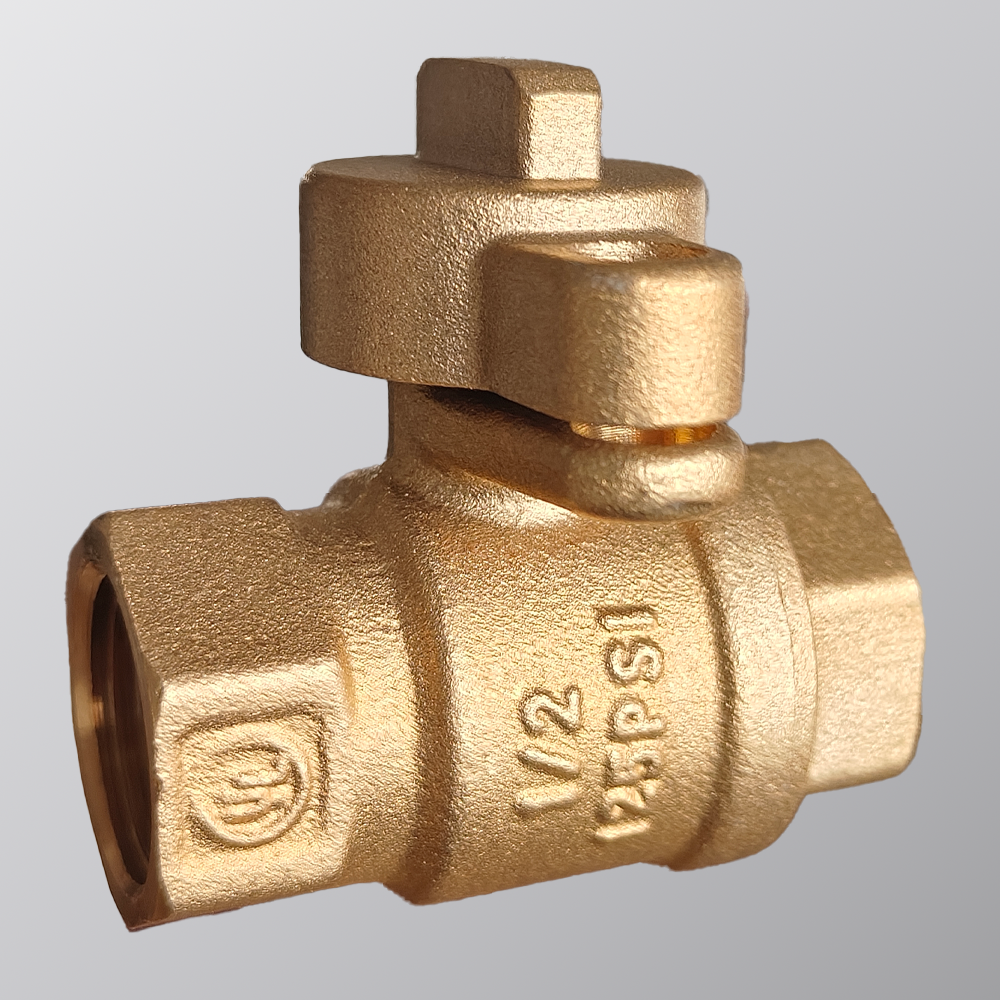
Zabezpečenie bezpečnosti a dodržiavania predpisov pomocou uzamknuteľných guľových ventilov z mosadze
Požiadavky OSHA na uzamknutie a označenie (LOTO) pri údržbe a izolácii vysokorizikových systémov
Uzamknuteľné guľové ventily z mosadze sú nevyhnutné na splnenie štandardu OSHA týkajúceho sa uzamknutia a označenia (LOTO) (29 CFR 1910.147), najmä v nebezpečných prostrediach, kde je počas údržby vyžadovaná fyzická izolácia zdrojov energie. Zabezpečením pevnej, uzamknuteľnej polohy tieto ventily bránia náhodnému opätovnému zapnutiu systémov obsahujúcich paru, stlačené plyny alebo nebezpečné chemikálie. Ich konštrukcia z mosadze poskytuje odolnosť voči korózii v agresívnych prostrediach, zatiaľ čo viditeľný uzamkávací mechanizmus okamžite potvrdzuje stav izolácie – tým spĺňajú požiadavku OSHA na pozitívne a overiteľné metódy izolácie v aplikáciách s vysokým rizikom, ako sú napríklad potrubia na prepravu chemikálií a údržba reaktorov.
Zníženie ľudskej chyby: Ako uzamknuteľné guľové ventily z mosadze bránia náhodnému alebo neoprávnenému ovládaniu
Ľudská chyba prispieva približne k 80 % priemyselných incidentov (Process Safety Journal, 2023), čo zdôrazňuje potrebu ovládacích prvkov odolných voči manipulácii. Uzamknuteľné guľové kohúty z mosadze tento riziko znižujú tým, že na zmenu stavu toku vyžadujú úmyselné konanie – napríklad použitie špecifického kľúča alebo nástroja. Tento dizajn bráni neoprávneným úpravám, neúmyselnému ovládaniu počas bežných úkonov a manipulácii v infraštruktúre prístupnej verejnosti, ako sú napríklad mestské vodovodné systémy. Zásadne dôležité je, že mosadz je neiskriaca, čo zabezpečuje jej bezpečné používanie v horľavých atmosférach. Prevádzky, ktoré nasadili uzamknuteľné guľové kohúty z mosadze, hlásia o 45 % menej nezámerných udalostí súvisiacich s tokom v porovnaní so štandardnými kohútmi (Plant Engineering, 2023), čo potvrdzuje ich hodnotu v kritických aplikáciách – vrátane systémov núdzového vypnutia a rozvodu pitnej vody – kde integrita prevádzky priamo ovplyvňuje bezpečnosť verejnosti.
Certifikácia NSF/ANSI 61 a zhoda mosadzových komponentov bez obsahu olova pre systémy pitnej vody
Pre aplikácie s pitnou vodou musia uzamknute mosadzné guľové kohúty spĺňať certifikáciu NSF/ANSI 61 – americký referenčný štandard pre bezpečnosť materiálov v kontakte s pitnou vodou. Súčasný štandard obmedzuje vylúhovanie olova na ≤ 0,5 μg/l (NSF 2022), čo sa spoľahlivo dosahuje pomocou olovo-voľných mosadzných zliatin obsahujúcich najviac 0,25 % olova. Tieto zliatiny zachovávajú mechanickú pevnosť a tesniacu výkonnosť a zároveň zabezpečujú dodržiavanie predpisov v rezidenčných, komerčných aj mestských potrubných systémoch. Aktualizácia z roku 2022 rozšírila zoznam schválených mosadzných zliatin, čím podporuje nielen dodržiavanie predpisov, ale aj udržateľnosť – olovo-voľná mosadz je plne recyklovateľná. Pre medzinárodné projekty poskytuje schválenie WRAS britskú špecifickú validáciu a trvalá zhoda s predpismi, ako je napr. smernica RoHS, zaisťuje nepretržitú pripravenosť na globálny trh.
Neprodukovanie iskier a odolnosť voči korózii v hygienických potravinárskych a nápojových vedeniach
V potravinárskom a nápojovom priemysle uzamknuteľné guľové kohúty z mosadze kombinujú funkčnú bezpečnosť s hygienickým dizajnom. Ich neiskriaca mosadzová konštrukcia eliminuje riziko vzniku iskier v horľavých oblastiach, ako sú napríklad zóny kvasenia alebo čistenia na báze rozpúšťadiel. Odolnosť voči korózii zabezpečuje odolnosť voči kyslým zložkám (pH 2,5–5,5) aj agresívnym dezinfekčným prostriedkom, zatiaľ čo elektropolírované vnútorné povrchy spĺňajú hygienické štandardy 3-A minimalizáciou miest, kde sa môžu usádzať baktérie. Hermetickosť tesnení sa udržiava aj pri tepelnom cyklovaní v rozsahu od –20 °C do 110 °C a hladký vnútorný profil zabraňuje uväzneniu výrobku a stagnácii čistiacich roztokov pri čistení CIP. Ak sa tieto kohúty integrujú do plánov HACCP, funkcia uzamknutia zaisťuje, že kohúty počas cyklov dezinfekcie zostanú uzamknuté – čím sa zabráni náhodnému ovládaniu, ktoré by mohlo ohroziť kontrolu procesu alebo validáciu hygieny.
Optimalizácia integrity systému v verejných a zdieľaných infraštruktúrach
Uzamykateľné guľové kohúty z mosadze posilňujú celistvosť systému v verejných vodných sietach a zdieľanej infraštruktúre – prostredia, ktoré sú zraniteľné voči vandalským útokom, prekrývajúcim sa povinnostiam pri údržbe a rizikám cezkontaminácie. Strategicky umiestnené v miestach pripojenia – napríklad medzi potravinovými a recyklovanými vodnými potrubiami – fyzicky eliminujú náhodné cezspojenia a súčasne spĺňajú požiadavky na zabránenie spätnému toku. V budovách s viacerými nájomcami alebo priemyselných parkoch vytvárajú jednoznačné hranice zodpovednosti: tímy zodpovedné za údržbu môžu izolovať konkrétne zóny bez narušenia prevádzky v susedných oblastiach, čím sa zníži počet prerušení služby a umožní sa presné auditné stopy pre správy o dodržiavaní predpisov. Ich neiskriaca mosadzná konštrukcia navyše zvyšuje bezpečnosť v blízkosti úložísk paliva, elektrických rozvodných staníc alebo iných prvkov horľavej infraštruktúry.
Často kladené otázky
Aký je účel uzamykateľných guľových kohútov z mosadze?
Uzamknute mosadzné guľové kohúty zabezpečujú bezpečnosť a dodržiavanie predpisov v rôznych odvetviach tým, že umožňujú bezpečnú, odolnú voči manipulácii reguláciu prietoku. Majú obzvlášť veľký význam pri uzamykaní zdrojov energie na splnenie noriem OSHA pre postup LOTO (Lockout/Tagout) a na zabránenie neoprávnenej prevádzky.
Aké certifikáty sú pre tieto kohúty nevyhnutné v systémoch pitnej vody?
Uzamknute mosadzné guľové kohúty musia spĺňať certifikáciu NSF/ANSI 61 a musia byť vyrobené z olova voľnej mosadze s obsahom olova najviac 0,25 %, aby sa považovali za bezpečné pre systémy pitnej vody.
Prečo sa pre tieto kohúty používa mosadz?
Mosadz je odolná voči korózii, nevznáša iskry a je veľmi trvanlivá, čo ju robí bezpečným a spoľahlivým materiálom v prostrediach s vysokým rizikom alebo výbušných prostrediach, ako sú chemické závody, potravinársky priemysel a verejná infraštruktúra.
Ako tieto kohúty znižujú ľudské chyby?
Tieto ventily vyžadujú úmyselné ovládanie na zmenu stavov prietoku, čím sa zníži riziko náhodného ovládania alebo neoprávneného zásahu. To ich robí veľmi účinnými pri predchádzaní chybám, ktoré by mohli ohroziť bezpečnosť.
Sú tieto ventily vhodné pre potravinársky a nápojový priemysel?
Áno, navrhnuté sú tak, aby spĺňali hygienické štandardy, a to napríklad vďaka elektropolírovaným povrchom, ktoré bránia rastu baktérií. Dobré výsledky dosahujú aj v prostrediach s kyslými a agresívnymi zložkami.
Obsah
-
Zabezpečenie bezpečnosti a dodržiavania predpisov pomocou uzamknuteľných guľových ventilov z mosadze
- Požiadavky OSHA na uzamknutie a označenie (LOTO) pri údržbe a izolácii vysokorizikových systémov
- Zníženie ľudskej chyby: Ako uzamknuteľné guľové ventily z mosadze bránia náhodnému alebo neoprávnenému ovládaniu
- Certifikácia NSF/ANSI 61 a zhoda mosadzových komponentov bez obsahu olova pre systémy pitnej vody
- Neprodukovanie iskier a odolnosť voči korózii v hygienických potravinárskych a nápojových vedeniach
- Optimalizácia integrity systému v verejných a zdieľaných infraštruktúrach
- Často kladené otázky