 EN
EN

Understanding the Different Types of Water Valves
Article Description
Explore the diverse world of water valves, from ball valves to check valves, their unique functions, and how to choose the right one for industrial, commercial, or residential use. Learn key insights for optimal performance.
Water valves are the unsung heroes of plumbing and fluid control systems, regulating the flow, pressure, and direction of water in everything from residential homes to large-scale industrial facilities. Choosing the right type of water valve is critical to ensuring efficiency, safety, and longevity in any system, as each variant is engineered to address specific operational needs. Whether you’re a homeowner tackling a renovation, a facility manager maintaining industrial equipment, or a plumber sourcing reliable components, understanding the distinctions between valve types—such as ball valves, gate valves, check valves, and globe valves—can save time, reduce costs, and prevent costly leaks or system failures.
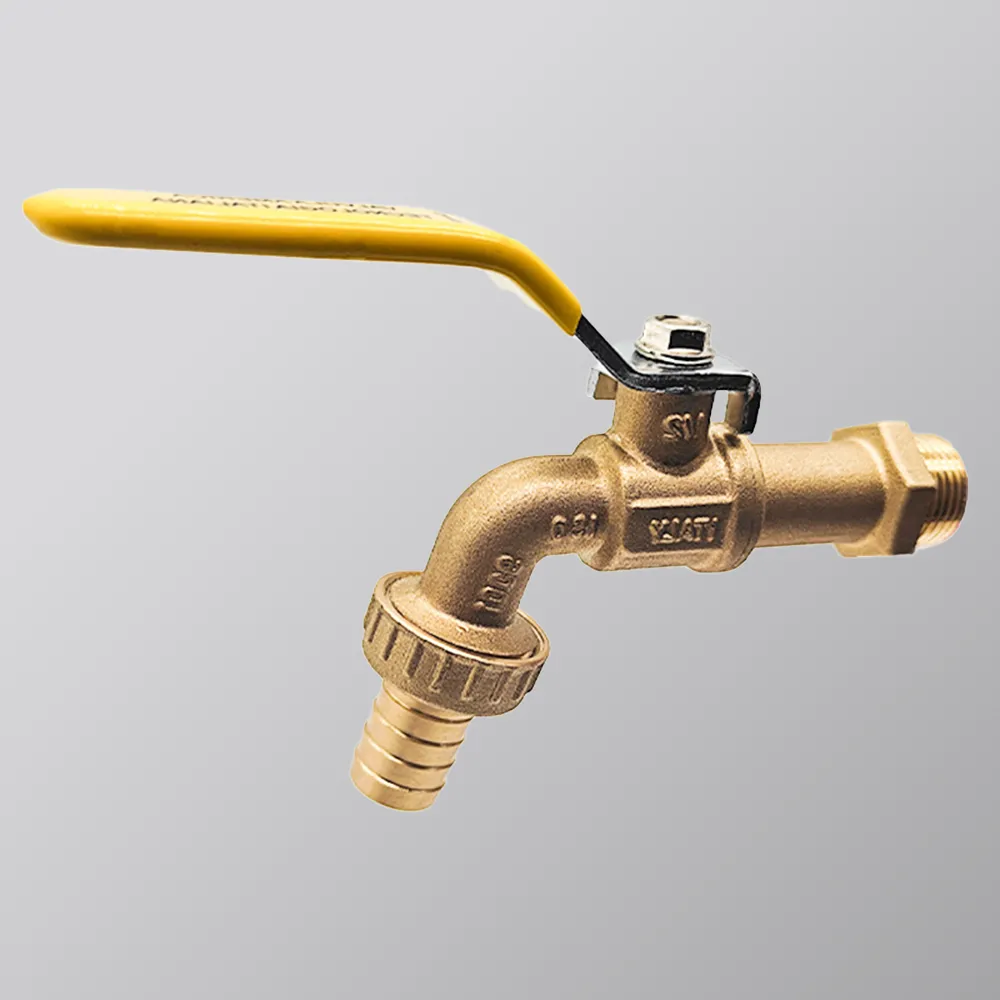
Ball valves are among the most versatile and widely used water valves, prized for their durability and quick shutoff capabilities. Designed with a hollow, perforated sphere (the “ball”) that rotates to control flow, these valves offer a full bore when open, minimizing pressure drop and allowing unobstructed water flow. This makes them ideal for applications requiring on/off control, such as residential water lines, irrigation systems, and industrial pipelines. Brass ball valves, in particular, are a popular choice due to brass’s corrosion resistance and compatibility with both hot and cold water. For example, full-port brass ball valves are often used in commercial settings where maximum flow rate is essential, while reduced-port models may suffice for smaller residential lines. Their simple design also means they require minimal maintenance, making them a cost-effective solution for long-term use.
Gate valves, characterized by a vertical gate (or wedge) that lifts to open and lowers to close, are another common type, valued for their ability to provide a tight seal when fully closed. Unlike ball valves, which operate with a quarter-turn, gate valves require multiple rotations to adjust, making them better suited for applications where flow is either fully open or fully closed, rather than for frequent throttling. They are often found in main water lines, fire protection systems, and industrial processes where low pressure drop is critical. However, their design makes them prone to wear if used to regulate flow partially, as the gate can become damaged by turbulent water. For this reason, gate valves are best paired with systems that operate at steady, consistent flow rates, ensuring longevity and reliable performance.
Check valves, also known as non-return valves, serve a unique purpose: preventing backflow in a system. These valves automatically close when water tries to flow in the reverse direction, protecting against contamination, water hammer, and damage to pumps or other equipment. Common designs include swing check valves, which use a flapper that swings open with forward flow and closes with backflow, and spring-loaded check valves, which rely on a spring to ensure rapid closure. In residential settings, check valves are often installed in sump pumps to prevent water from re-entering basements, while in industrial applications, they protect sensitive machinery from reverse pressure. Their ability to operate without manual intervention makes them indispensable for maintaining system integrity, especially in complex plumbing networks.
Globe valves, named for their spherical body shape, are designed for precise flow control, making them ideal for applications where throttling is necessary. Inside a globe valve, a movable disk (or plug) is positioned against a stationary ring seat, with the distance between them determining flow rate. This design allows for fine adjustments, making globe valves suitable for regulating water pressure in heating systems, controlling flow in chemical processing, or managing water levels in tanks. However, their construction creates more pressure drop than ball or gate valves, so they are typically used in scenarios where precision outweighs the need for maximum flow efficiency. Brass globe valves are often preferred in potable water systems due to their resistance to rust and ease of maintenance.
As the demand for efficient water management grows, the water valve industry is evolving to meet new challenges, particularly in sustainability and smart technology. Manufacturers are increasingly focusing on eco-friendly materials, with brass—recyclable and long-lasting—remaining a staple for its low environmental impact. Additionally, smart water valves equipped with sensors and IoT connectivity are gaining traction, allowing remote monitoring and automated control. These valves can detect leaks, adjust flow rates based on usage patterns, and integrate with home or building management systems, reducing water waste and lowering utility costs. For commercial and industrial clients, this means improved efficiency and compliance with strict water conservation regulations, while homeowners benefit from enhanced convenience and peace of mind.